Ryanair Inaugurates Its Largest European Maintenance Hangar in Madrid
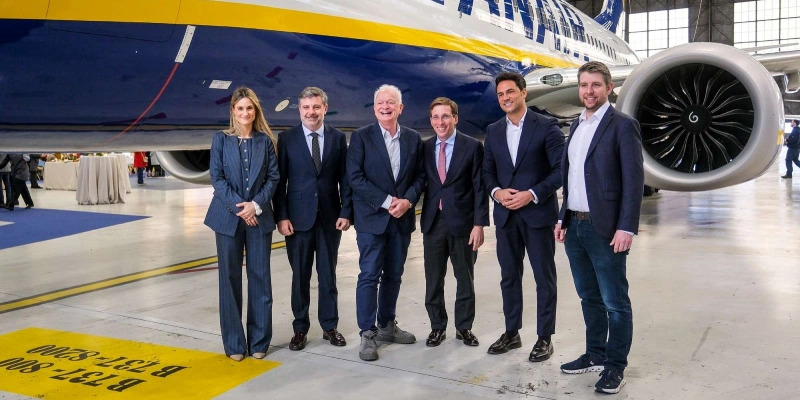




Ryanair officially opened its new maintenance center at Madrid-Barajas Airport this Wednesday, consolidating the facility as the largest within its entire European network. Spanning 22,000 m² in the airport’s industrial sector, this state-of-the-art hangar represents a direct investment of €25 million.
The facility has the capacity to house up to seven aircraft simultaneously. When combined with the airline’s existing infrastructure at Barajas, Ryanair’s total maintenance capacity in the Spanish capital now reaches eight service lines.
Economic Impact and Specialized Training
The launch of this center will create 700 highly skilled jobs, including:
- Aeronautical Engineers.
- Maintenance Mechanics.
- Technical Support Staff.
To ensure a steady pipeline of talent, Ryanair is collaborating with the region’s leading aviation schools through its Internal Engineering Development Program, designed to train and recruit the future professionals who will operate at this site.
→ Ryanair Consolidates European Leadership: Passenger Traffic Grows 6% in February
Consolidating the Maintenance Network in Spain
Madrid is set to become a cornerstone of the company’s engineering network, which already features seven strategic locations across the European Union. This new hangar will handle everything from routine inspections—technically known as A-checks—to highly specialized engineering tasks.
This investment complements Ryanair’s industrial footprint in the Iberian Peninsula, where it also operates a maintenance center in Seville. That facility, opened in 2019 and expanded in 2021, has capacity for five aircraft following a €30 million investment. In total, the airline’s cumulative investment in Spain has reached €11 billion, supporting a fleet of 109 aircraft across 11 bases.
The new Madrid hangar will play a critical role in the airline’s global strategic plan, which aims to operate a fleet of 800 aircraft and transport 300 million passengers by 2034.
Related Topics
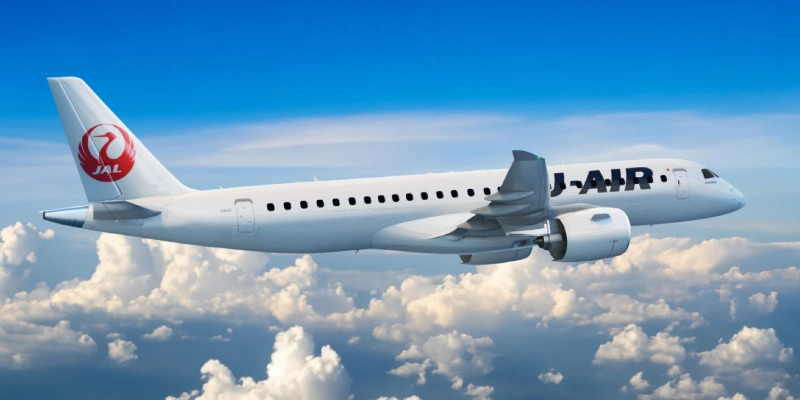
Japan Airlines Selects Embraer E190-E2 to Renew J-AIR Regional Fleet
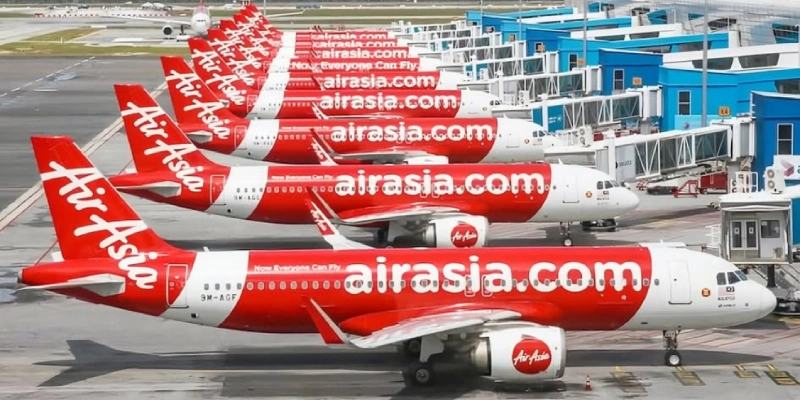
AirAsia in Talks with Malaysian Government Over Potential Financial Support Amid Economic Headwinds and Soaring Fuel Costs
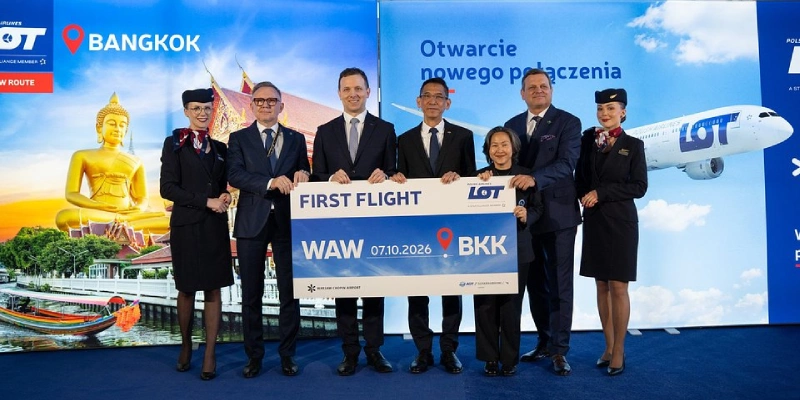
LOT Polish Airlines Launches Direct Flights Between Warsaw and Bangkok
Lufthansa Group Boosts Connectivity to Japan, Reaching Up to 50 Weekly Flights in Summer 2027

Un apasionado por la aviación, Fundador y CEO de Aviación al Día.