
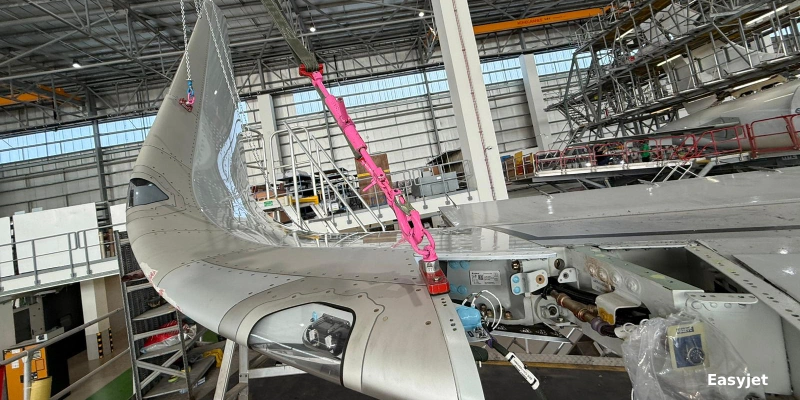
easyJet has taken a further step in optimizing its fleet by announcing the modernization of the last remaining Airbus A320ceo aircraft that were not yet equipped with sharklets, a program already underway. This initiative, developed in direct collaboration with Airbus, covers a total of seven aircraft and falls within the environmental and efficiency roadmap launched by the airline in 2022.
Although the number of aircraft might seem limited within a large-scale fleet, the aggregate impact is not. Once the program is completed, easyJet estimates additional combined savings of 2,156 tons of fuel per year, translating to a reduction of nearly 7,000 tons of CO₂ annually across the entire fleet.
What Sharklets Bring to the A320ceo
Manufactured by Airbus, sharklets are wingtip devices that increase the wing’s effective span and reduce induced drag by up to 4%. Aerodynamically, they replace the original wingtip fences, mitigating the formation of wingtip vortices that increase fuel consumption.
The results are tangible and measurable:
- Savings per aircraft: 308 tons of fuel and 970 tons less CO₂ per year per aircraft.
- Operational range: Increase of up to 100 nautical miles per mission.
- Capacity: Possibility of installing up to six additional seats, improving per-flight performance without proportionally increasing consumption.
From an airline executive’s perspective, this combination of lower cost per seat, greater network flexibility, and reduced emissions makes the modernization an investment with immediate returns, even for platforms in the second half of their service life.
→ easyJet Unveils New Crew Uniform as Part of its 30th Anniversary
A Program Already in Progress
The schedule also reflects a pragmatic approach. The first A320ceo has already been modified, with the program having started in October 2025. The six remaining aircraft will be upgraded throughout 2026, with completion scheduled for the summer of that year.
The affected aircraft already operate from key bases in the easyJet network, such as London Gatwick, Lisbon, Berlin, and Milan Malpensa, allowing for immediate operational benefits to be captured in high-density markets with intense competitive pressure.
Efficiency as a Strategic Pillar
David Morgan, Chief Operating Officer of easyJet, summarized the company’s approach with a clear, no-frills statement: “Modernizing our A320ceo aircraft with sharklets is another small but important step in our mission to operate as efficiently as possible.”
The message aligns with the airline’s overall strategy. Since 2022, easyJet has intensified investments in operational efficiencies and impact-reduction technologies, both in flight and on the ground. The stated goal is ambitious: to reduce carbon emission intensity by 35% by 2035.
In this context, the airline was recently recognized by Sustainalytics as the world’s top-rated airline for ESG risk management, with a leading score of 18.0—a fact that reinforces the credibility of its environmental roadmap for investors and regulators.
easyJet’s decision highlights an increasingly clear industry trend: maximizing the efficiency of existing fleets while fleet renewal programs progress at a pace conditioned by industrial availability and capital costs.
Related Topics
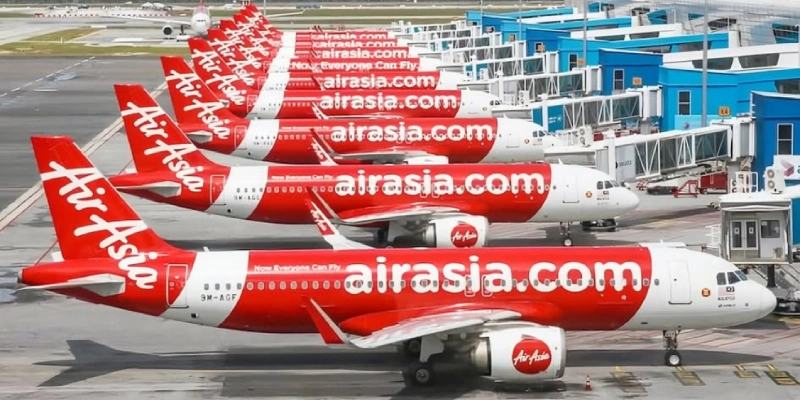
AirAsia in Talks with Malaysian Government Over Potential Financial Support Amid Economic Headwinds and Soaring Fuel Costs
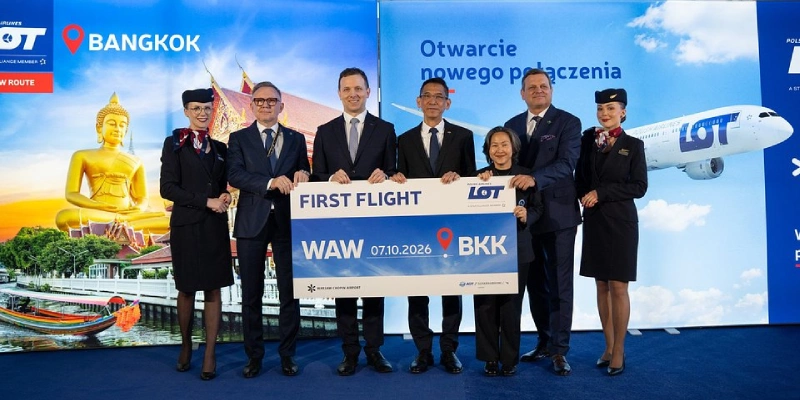
LOT Polish Airlines Launches Direct Flights Between Warsaw and Bangkok
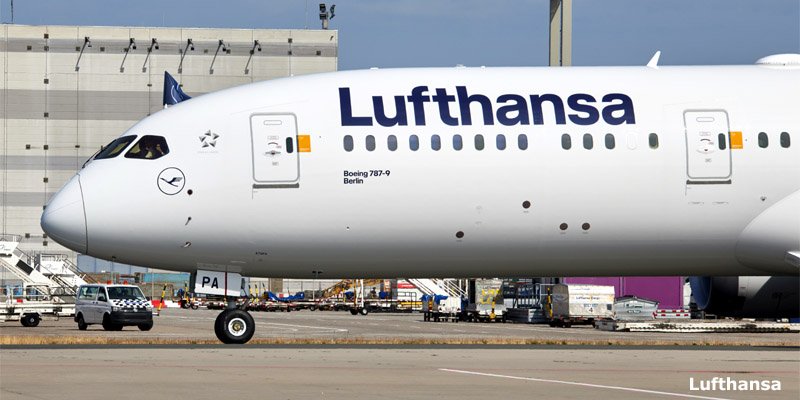
Lufthansa Group Boosts Connectivity to Japan, Reaching Up to 50 Weekly Flights in Summer 2027

Thai Airways Cuts Flights and Faces Baggage Handling Collapse Following Severe Bangkok Flooding


Un apasionado por la aviación, Fundador y CEO de Aviación al Día.