Emirates Redefines Its Onboard Vegan Strategy: Less Ultra-Processed, More Real Food Starting in 2027
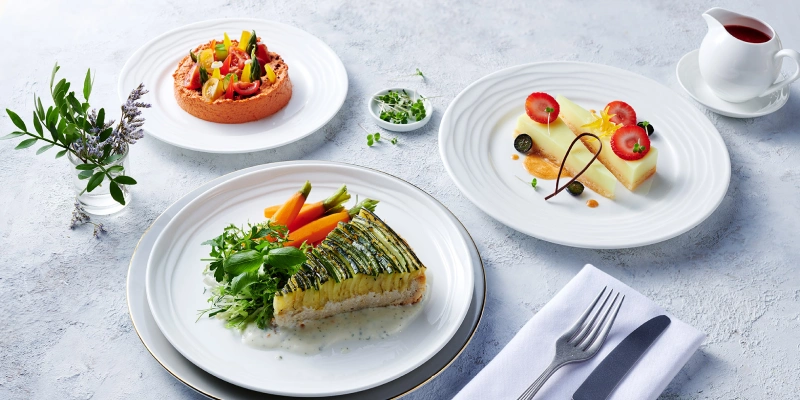




Emirates is redefining one of the most dynamic segments of the onboard experience: vegan cuisine. Moving beyond fleeting trends or industrial solutions, the Dubai-based airline is advancing towards a proposal focused on real, minimally processed foods with culinary identity—a decision that combines health, sustainability, and premium brand positioning.
The announcement, made during Veganuary, confirms that new plant-based culinary concepts are already in development and will begin implementation starting in 2027, marking a clear, long-term roadmap.
From Industrial “Plant-Based” to Authentic Vegetable Cuisine
The philosophy behind the new approach is clear: abandon dependence on ultra-processed meat substitutes and return to the fundamentals of traditional vegetable-based cooking.
According to Doxis Bekris, Vice President of Food & Beverage Design at Emirates, the focus is now on:
- Legumes
- Grains
- Nuts and seeds
- Seasonal vegetables
These ingredients become “the protagonists of the dish,” not as an artificial meat replacement, but as a natural base for flavor, texture, and nutritional value.
“Instead of replicating meat, we want to draw inspiration from cuisines that have historically been plant-forward, such as Mediterranean mezze, Levantine grain salads, Asian noodle bowls, or African stews,” explains Bekris.
→ Emirates Accelerates Premium Economy Expansion with Introduction of New Destinations
The message is strategic: less food engineering and more cultural heritage, a narrative that resonates both with conscious travelers and corporate sustainability goals.
Half a Million Vegan Meals a Year: The Numbers Behind the Decision
The decision is not ideological; it is data-driven.
Currently, Emirates:
- Serves around 500,000 vegan meals per year
- Operates with 488 vegan recipes in rotation
- Covers 140 destinations
- Has increased its total number of vegan recipes by 60% compared to 2024
The growth in vegan consumption directly parallels the increase in passenger volume. A relevant point is that a significant portion of the demand comes from non-vegan passengers, who choose these meals considering them lighter and easier to digest during the flight.
Destinations with the Highest Demand for Vegan Meals
In the past year, the airports with the most orders were:
1. London
2. Sydney
3. Bangkok
4. Melbourne
5. Frankfurt
6. Manchester
7. Mumbai
8. Bali
9. Singapore
Vegan meals can be requested with up to 24 hours’ notice on all flights and classes, and on high-demand routes, they are already part of the regular onboard menu.
A Cross-Category Proposal: Vegan in All Classes
Far from being limited to Economy or specific niches, Emirates has integrated the vegan offering into all cabins, reinforcing its message of gastronomic excellence without exceptions.
Economy Class
Dishes such as:
- Pumpkin frittata with sautéed mushrooms and tomato concassé
- Spinach cannelloni with tomato and basil sauce
Notable desserts:
- Vegan chocolate mousse
- Carrot cake with coconut cream
Premium Economy
Options like:
- Fried rice with kimchi, roasted pumpkin, and oyster mushrooms
- Coconut cake with pineapple compote and pistachios
Business Class
More elaborate proposals, for example:
- Braised mushrooms in soy and five-spice sauce, with jasmine rice and pak choi
- Coconut panna cotta with raspberry mousse
- Tofu and chocolate cheesecake
First Class
High-end vegetarian cuisine, with dishes like:
- Pumpkin and barley risotto with arugula, caramelized walnuts, and vegan cheese
- Quinoa salad with grilled eggplant and red pepper coulis
Fine dining-level desserts:
- Strawberry tart with vanilla cream
- Sticky date pudding with salted caramel sauce and vegan cream
From Farm to Plane
One of the less visible but most relevant pillars is sourcing.
Emirates integrates products from Bustanica, the world’s largest hydroponic vertical farm, operated jointly with Emirates Flight Catering, into its offerings. From there, pesticide- and chemical-free leafy greens such as:
- Lettuce
- Arugula
- Spinach
- Mix of fresh leaves
Everything arrives directly at the catering facilities,, reinforcing the farm-to-fork concept, key to the transparency and sustainability narrative.
Vegan Experience Also Extends to VIP Lounges
At Dubai Airport, Emirates operates seven lounges in Terminal 3, with a specially developed vegan offering.
Options include:
- Spiced vegan kofta with baharat and turmeric in coconut sauce
- Amaranth porridge with fruits and nuts in the First Class Lounge
The most requested vegan dish in the lounges is the Emirates Green Burger, made with soy and flax seeds, served with an exclusive sauce and pickles.
A Strategic Shift That Goes Beyond the Menu
Emirates’ shift is not merely culinary. It is a strategic decision that combines:
- Health expectations of the modern traveler
- Sustainability goals
- Premium brand differentiation
- Coherence between messaging and product
The airline makes it clear that this path is still evolving. The new concepts will arrive only in 2027, a timeline that suggests deep development, operational testing, and global scalability.
Related Topics

Aeromexico Plans to Launch Flights to Caracas in Q1 2027 and Evaluates Making Santiago Seasonal Route Year-Round
Copa Airlines Ramps Up Americas-Wide Campaign for Margarita Island Ahead of Porlamar Route Launch
LATAM Airlines Strengthens Regional Leadership with Five Honors at the 2026 World Travel Awards

Copa Airlines Restores Operations Following Seismic Activity in Panama and Expands Commercial Flexibility Policies
Plataforma Informativa de Aviación Comercial con 13 años de trayectoria.