
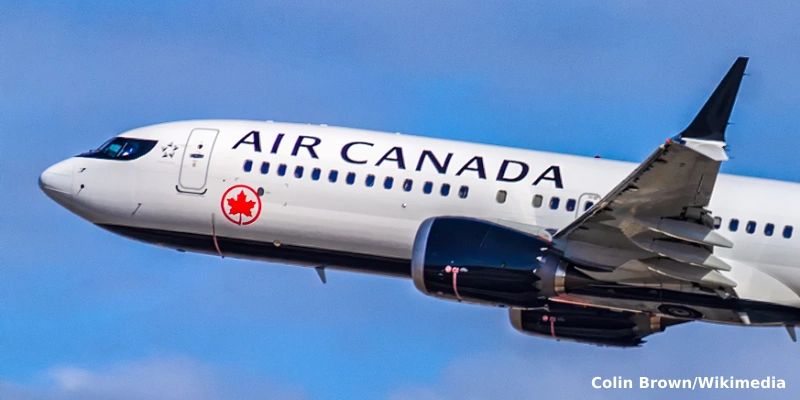
Air Canada has confirmed the immediate suspension of all services to Cuba in direct response to a shortage of aviation fuel at the Caribbean nation’s airports. This measure, effective today, follows the issuance of government advisories and NOTAMs (Notices to Air Missions) alerting to the unreliability of fuel supplies—a factor critical to both safety and operational continuity.
Projections indicate that aviation fuel will no longer be commercially available at Cuban airports starting February 10, eliminating any margin for regular planning by international airlines. Given this scenario, Air Canada has opted for an orderly withdrawal, prioritizing operational safety and passenger protection.
Repatriation Operation: Ferry Flights and Complex Logistics
The airline’s immediate priority is the return of passengers currently in Cuba. Air Canada estimates that approximately 3,000 customers remain on the island, the majority of whom are booked through Air Canada Vacations packages.
To facilitate this, the company will operate “ferry flights”—dispatched without passengers—to Cuba for the sole purpose of picking up customers and maintaining the Cuba–Canada flow in the short term. For any remaining flights into the country, Air Canada will carry additional fuel from the point of origin and, if necessary, utilize technical stops for refueling on the return leg—a costly but standard solution in environments with supply restrictions.
Commercial Management and Customer Service
In parallel, Air Canada and its vacation division have activated a progressive commercial mitigation strategy. Initially, flexible rescheduling policies were offered; however, following the confirmation of cancellations, Air Canada Vacations implemented a full refund scheme for affected customers, processed automatically without the need to contact the call center.
Passengers currently in Cuba who traveled on tour packages are receiving direct assistance from local representatives, a key element in maintaining the customer experience during this period of operational disruption.
Impacted Route Network: A Key Market on Pause
Air Canada operated an average of 16 weekly flights between Canada and Cuba, connecting Toronto and Montreal with four key destinations on the island.
From Toronto:
- Cayo Coco: 4 weekly flights
- Holguin: 2 weekly flights
- Varadero: 4 weekly flights
- Santa Clara: 1 weekly flight
From Montreal:
- Cayo Coco: 3 weekly flights
- Varadero: 2 weekly flights
Currently, seasonal services to Holguin and Santa Clara have been cancelled for the remainder of the season. Year-round routes to Varadero and Cayo Coco remain suspended, with a tentative restart date subject to review beginning May 1.
Air Canada’s decision reflects a prudent, technically sound, and passenger-centered management approach, though it places one of the most traditional and important tourism markets for Canadian air traffic on temporary hold.
Related Topics

Panama: Tocumen Airport Surpasses 17.8 Million Passengers Between January and September 2026

Emirates and El Dorado Airport Conduct Colombia’s First Travel Rehearsal for Individuals on the Autism Spectrum
Argentine Airports Record All-Time Passenger Traffic High in September

US Lawmakers Demand FAA Halt Use of New AI Tool in Washington Airspace


Un apasionado por la aviación, Fundador y CEO de Aviación al Día.