Boeing Starts Year Strong: Outpacing Airbus in Deliveries and Orders During January





Boeing began the year with a commercial and operational performance that did not go unnoticed by the industry or financial markets. In January, the American manufacturer recorded 46 commercial aircraft deliveries, marking the company’s third-best historical result for that month. This figure once again positions Boeing ahead of its primary rival, Airbus.
Beyond the absolute numbers, the data reveals significant signals regarding demand dynamics, customer confidence, and the positioning of Boeing’s portfolio amidst regulatory scrutiny and industrial pressure.
Deliveries: 737 MAX Remains the Business Core
Of the 46 aircraft delivered in January, 38 belonged to the 737 MAX family—Boeing’s best-selling product and, simultaneously, its most closely watched by authorities, airlines, and investors. This was supplemented by five 787 Dreamliners, confirming that the wide-body program also maintains a steady flow of deliveries.
While the total volume was lower than the 63 deliveries made in December—a month that traditionally sees an annual peak due to accounting and contractual reasons—this January still stands as an exceptionally solid month in historical terms.
The comparison with Airbus is striking: the European manufacturer delivered 19 aircraft in January, less than half of Boeing’s output. That total included 15 aircraft from the A320neo family, three A220s, and one A350.
This differential is significant. In the industry, deliveries are closely monitored by financial analysts because manufacturers receive the bulk of the payment when the aircraft is formally transferred to the customer.
→ Boeing Plans First Flight of Production 777X in April
Orders: Boeing Also Takes Lead on the Commercial Front
On the commercial side, January also yielded a favorable balance for Boeing. The company recorded 107 new orders against four cancellations (two 737s and two 787s), resulting in 103 net orders for the month. During the same period, Airbus reported 49 net orders.
One of the most notable moves was the order from Aviation Capital Group (ACG), which booked 50 Boeing 737 MAX jets, split equally between the 737-8 and 737-10 variants.
In the airline segment, Air India finalized an order for 20 Boeing 737-8s and publicly disclosed a previous order for 10 737-10s, providing greater visibility into its ambitious fleet renewal and expansion plan.
787 Gains Traction with Delta and EVA Air
The 787 Dreamliner program also added volume to the order book. Boeing received 34 new orders for the wide-body twin-engine jet: 30 from Delta Air Lines and four from the Taiwanese carrier EVA Airways.
These orders reinforce the 787’s position on medium- and long-haul routes, especially in a context where airlines seek operational flexibility, fuel efficiency, and intercontinental reach with capacity tailored to demand.
January made it clear that Boeing is starting the year with commercial traction and delivery momentum—two critical variables for its operational and reputational recovery.
Related Topics
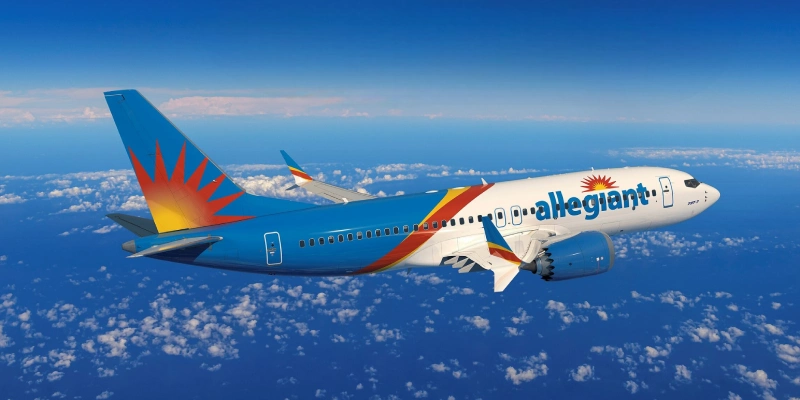
Allegiant Air Orders Six Additional Boeing 737 MAX Jets
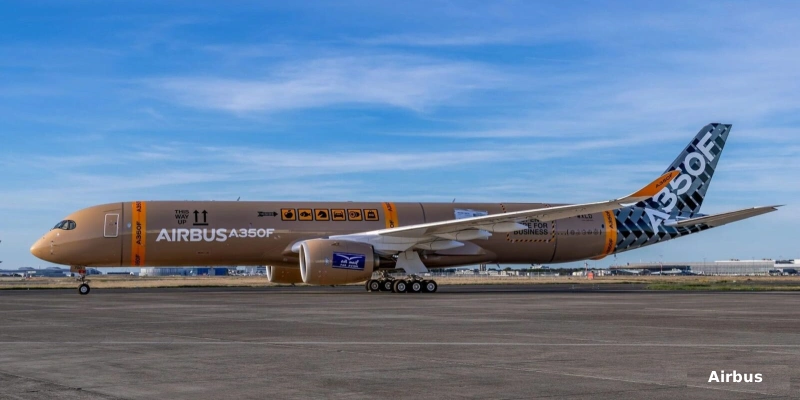
Airbus Projects Global Freighter Fleet to Reach 3,460 Aircraft by 2045
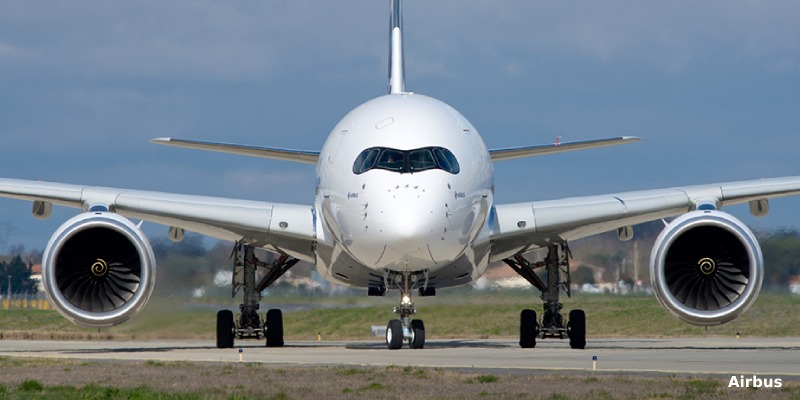
Airbus Projects Demand for 2,720 New Passenger Aircraft in Latin America Over Next 20 Years
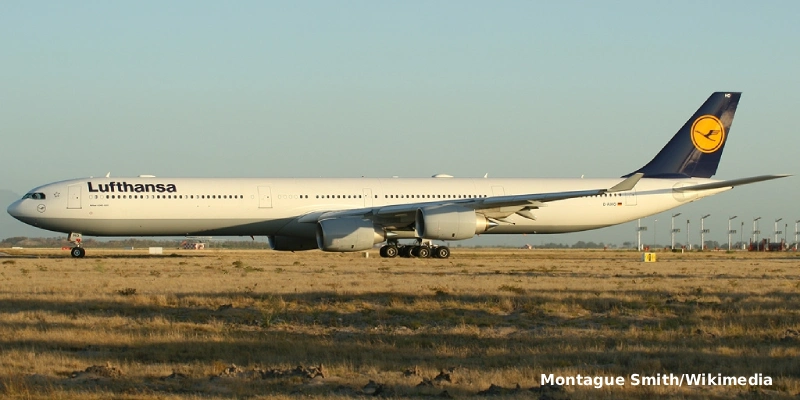
End of an Era: Lufthansa Retires Airbus A340-600 Fleet After 23 Years of Service

Plataforma Informativa de Aviación Comercial con 13 años de trayectoria.