Emirates Flight Catering Bets on Large-Scale Biodigester to Reduce Annual CO₂ Emissions by 2,000 Tonnes
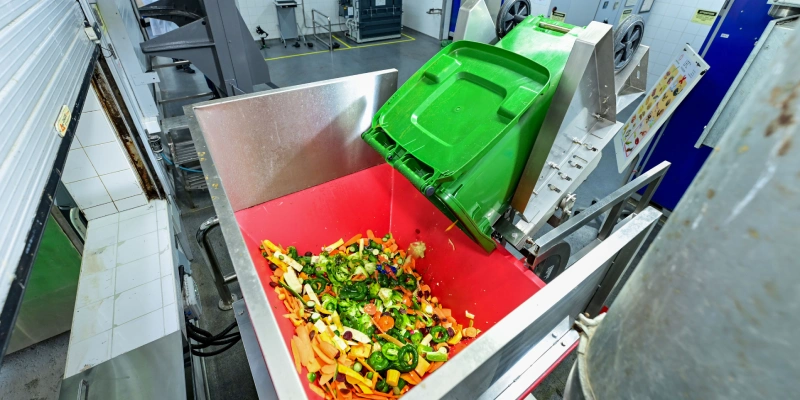




Emirates Flight Catering (EKFC), one of the world’s largest aerial catering providers, has taken a significant step in sustainable waste management by launching an advanced commercial-scale biodigester designed to treat organic waste directly at the source. This project not only strengthens the Emirates Group’s environmental strategy but also introduces a concrete case study on how the circular economy can be integrated into high-volume aeronautical operations.
The installation of the Power Knot LFC-3000, located at EKFC’s Central Commissary Unit, is set to become one of the largest aerobic digestion solutions applied to airline catering globally, with a direct and measurable impact on the reduction of greenhouse gas emissions.
Technology: Aerobic Digestion Applied to Airline Catering
How the LFC-3000 Biodigester Works The system operates through aerobic digestion, a biological process that utilizes oxygen, heat, and microorganisms to decompose organic waste. Unlike conventional mechanical solutions, whose performance degrades over time, the biodigester improves its efficiency as the microbial culture matures and adapts to different types of food waste.
The final output of the process is grey water, which is reusable for non-potable purposes. This introduces a second layer of efficiency in water resource consumption, which is especially relevant in an operating environment like Dubai.
Treatment at Source and Landfill Reduction A key element of the project is the in situ treatment of waste, avoiding its transport and disposal in landfills. This approach reduces both indirect emissions associated with logistics and direct methane emissions derived from anaerobic decomposition in sanitary landfills.
→ Emirates Prepares to Land in Berlin After Three Decades of Regulatory Gridlock
Capacity, Scalability, and Operational Metrics
Evolution of Capacity Since Commissioning Since its commissioning in December 2025, the biodigester has progressively increased its workload. Currently, it processes up to 3.5 tonnes of organic waste per day, with forecasts to reach an operational capacity of approximately 6 tonnes of food waste daily once its biological maturity phase is complete. This pace positions the system as a strategic infrastructure within the EKFC operational ecosystem, moving beyond a simple pilot initiative.
Quantified Climate Impact Using greenhouse gas conversion factors aligned with DEFRA (UK), EKFC estimates that diverting one tonne of food waste from the landfill avoids approximately 0.7 tonnes of CO₂ equivalent, primarily through the mitigation of methane emissions. At full capacity, the biodigester could prevent more than 2,000 tonnes of CO₂e per year, a significant figure even within the sustainability standards of major aeronautical groups.
Corporate Vision and Operational Leadership
Shahreyar Nawabi, Chief Executive Officer of Emirates Flight Catering, emphasized that the company’s greatest potential for environmental impact lies in responsible waste management. He highlighted cross-functional collaboration among operational teams and consistency in waste segregation as critical factors for the project’s success. Beyond the technology, the message is clear: sustainability is being integrated as an operational competency, rather than a peripheral function.
Biodigester as Part of a Broader Strategy
Energy and Fleet Electrification : The LFC-3000 is not an isolated initiative. EKFC has complemented this project with solar energy investments, which generated 4,000 MWh last year, avoiding 1,600 tonnes of CO₂e. In parallel, the electrification of the ground fleet is advancing, including an electric hi-loader in the testing phase—the first of its kind in the region—slated for mid-2026.
Circular Economy and Waste Reduction : EKFC already had prior experience in circularity; last year, it processed nearly 75,000 kg of food waste with a smaller-scale LFC-50 biodigester and eliminated 45,000 kg of plastic annually through packaging changes. Additionally, it developed 47 recipes using production scraps and used pesticide-free lettuce from Bustanica for 28,000 daily Emirates salads.
AI Implementation : The incorporation of AI-based automation and intelligent vision systems completes the approach, reinforcing quality control and waste reduction in high-complexity industrial kitchens.
The case of Emirates Flight Catering demonstrates that sustainability in aviation is not limited to fuel or the aircraft itself, but extends across the entire operational value chain. Large-scale biological digestion, when integrated with operational discipline and clear metrics, ceases to be a symbolic gesture and becomes an industrial tool with real climate impact.
Related Topics
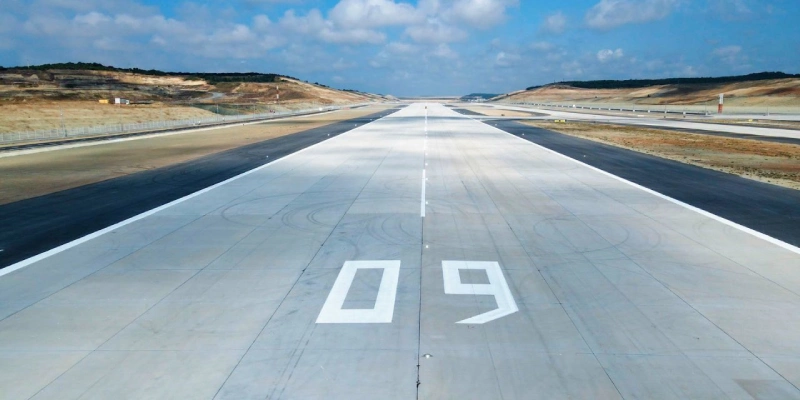
Istanbul Airport Inaugurates Its Sixth Runway
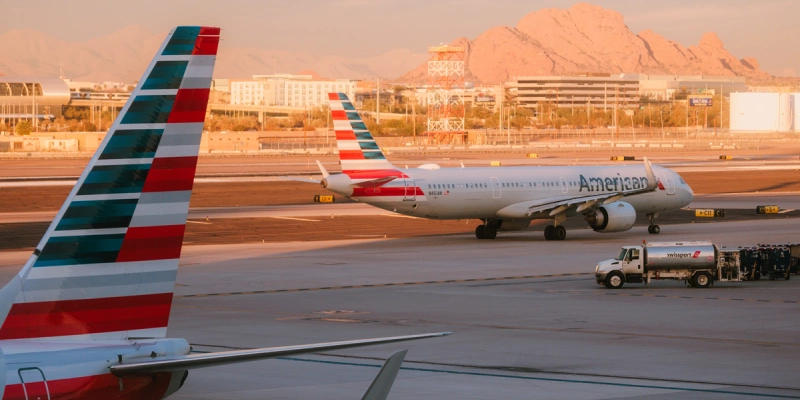
American Airlines to Be Primary Operator of Phoenix Sky Harbor International Airport’s New West Terminal

Delta Consolidates Leadership in Los Angeles with Largest Flight Schedule in its History for Summer 2027
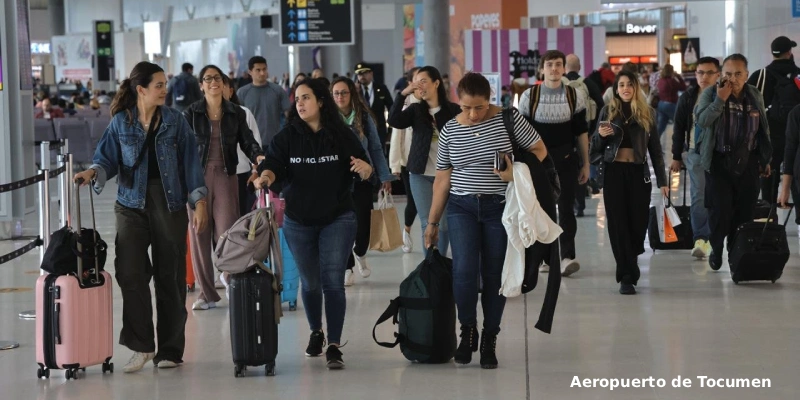
Panama: Tocumen Airport Handles Over 15.8 Million Passengers Through August, Consolidating 15% Growth

Un apasionado por la aviación, Fundador y CEO de Aviación al Día.