

The global commercial aviation climate roadmap is facing one of its most critical junctures. A shortage of next-generation aircraft, bottlenecks in engine production, and the limited availability of Sustainable Aviation Fuel (SAF) are eroding the industry’s capacity to meet its most ambitious target: reaching net-zero emissions by 2050.
The warning comes from the most influential voice in global air transport. Willie Walsh, Director General of the International Air Transport Association (IATA), acknowledged that the commitment adopted in 2021 by approximately 350 airlines—responsible for 2% to 3% of global emissions—is becoming “increasingly challenging” to sustain.
Older Aircraft, Higher Costs, and a Delayed Transition
The problem is structural. According to Walsh, the forced extension of the lifespan of older aircraft—which are less efficient in terms of fuel consumption and emissions—is a direct consequence of delays in the delivery of new planes and engines. These delays have been exacerbated by persistent disruptions in the supply chain.
Added to this is a critical factor: the insufficient supply of SAF, which is considered the central pillar of the sector’s decarbonization strategy for the coming decades. The lack of available volume not only slows the transition toward cleaner flight but also drives up operating costs for airlines.
“I remain optimistic, cautiously optimistic, that we can achieve net zero in 2050, but it is definitely becoming more difficult,” Walsh stated in remarks to Reuters TV ahead of the Singapore Airshow (February 3–8).
→ IATA: 2025 Record Passenger Demand Exposes Commercial Aviation’s True Bottleneck
A Commitment Under Review? Red Flags Within IATA
For the first time since the adoption of the climate goal, IATA leadership admits that internal consensus could fracture. When asked about the organization’s upcoming meeting in June, Walsh was clear: “It could well be the case that our member airlines say they can no longer commit to net zero in 2050”.
While the association formally maintains the objective, concern is mounting. Delays in the maintenance of latest-generation engines, capacity constraints among manufacturers, and the scarcity of SAF show no clear signs of improvement for now.
“If I’m honest, I don’t think it has worsened, but I see very little evidence that it is improving,” Walsh summarized.
Open Tension with Manufacturers and Energy Providers
Beyond the environmental challenge, the backdrop is also economic. Walsh denounced that supply issues and price hikes, particularly for engine spare parts, are widening the gap between the historically tight margins of airlines and the profits of manufacturers and energy providers.
The tone was unusually harsh, even for an environment accustomed to commercial tensions. “It’s not sustainable… we’re going to have to have a much more serious discussion about this,” he stated.
He went even further by questioning the discourse of collaboration that usually dominates major industry events : “It annoys me when I hear engine manufacturers talk about ‘partnerships’ and ‘partners.’ They are not our partners”.
These statements occur amidst a tripartite dispute between airlines, engine manufacturers, and aircraft builders, where each actor defends their position regarding the investment costs necessary to develop more efficient technologies.
Political Climate, Regulatory Pressure, and the Long Term
Walsh also rejected the idea that airlines are relaxing their environmental commitment, even in a context where some regions—particularly the United States—show a cooling of green policies.
“Pressure may have eased a bit in the short term in some regions, but in the long term, everyone I speak with still believes the challenge exists. The question is how we are going to do it”.
Related Topics

US Lifts Restrictions on Mexican Carriers Following Bilateral Air Transport Agreement Dispute

Resumption of Direct US–Lebanon Flights Faces Setbacks Following Technical ICAO Report
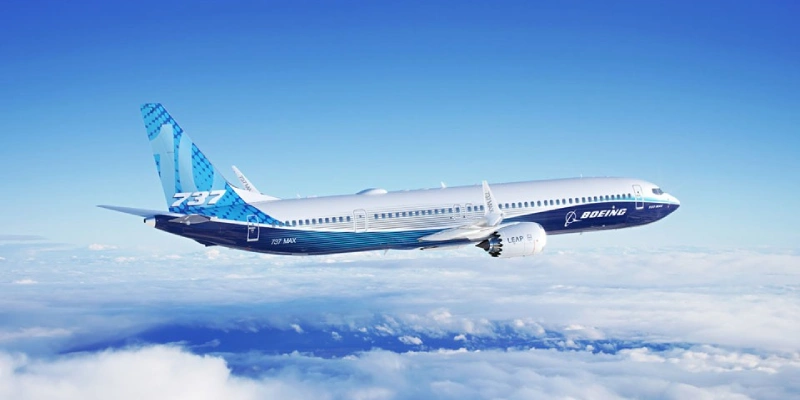
FAA Poised to Certify Boeing 737 MAX 10 Next Week Following Key Safety Review Clearance

Air Canada and United Airlines Boost Transborder Connectivity with New Routes for Summer 2027


Un apasionado por la aviación, Fundador y CEO de Aviación al Día.