Argentine Commercial Aviation Sector Hits Record Highs in Passenger Traffic and Operations for February
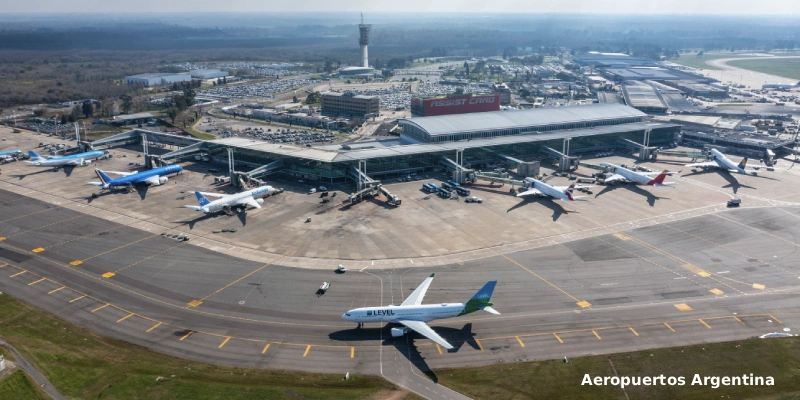




The Argentine commercial aviation sector continues its path of accelerated growth, establishing February 2026 as the best February in recorded history. According to official data from the National Civil Aviation Administration (ANAC), the country surpassed the records set last year, signaling a deepening of connectivity at both domestic and international levels.
A Month of Absolute Records in Passengers and Operations
During the second month of the year, Argentina’s airports recorded a total of 4,377,562 passengers, representing a 7% increase compared to the previous record set in February 2025. This momentum was reflected not only in passenger flow but also in airside activity.
In terms of aircraft movements, a total of 32,755 operations were recorded, surpassing the historical mark of February 2019 by 1% and exceeding 2025 figures by 2%. These statistics confirm that the airport system’s operational capacity is meeting demand at peak levels.
Domestic Market and Federal Connectivity
The domestic flight segment once again served as a fundamental pillar for the sector. With 2,723,224 passengers, domestic traffic hit a new historical milestone, surpassing the February 2025 peak by 1%.
This growth was not uniform; rather, it was characterized by a strong surge in provincial terminals, which strengthens federal connectivity. The airports with the highest year-on-year increases in domestic passengers included:
- Rio Cuarto: +82%
- Resistencia: +49%
- Puerto Madryn: +26%
- Tucuman: +18%
- El Calafate: +17%
Surge in International Segment and Decentralization
The performance of the international market was perhaps the most disruptive data point of the period. February 2026 saw 1,654,338 international passengers, achieving 18% growth over the previous year. Regarding operations, 10,343 movements were carried out, 15% more than in February 2025 and 14% above the 2018 record.
Consolidation of Regional Airports
One of the most significant points in the ANAC report is the trend toward the “federalization” of international connectivity. Passenger growth on overseas routes was led by terminals located outside of Buenos Aires:
- Salta: +78%
- Cordoba: +74%
- Rosario: +48%
- Aeroparque: +14%
- Ezeiza: +13%
During this month, a total of 282,093 passengers flew abroad directly from regional airports without the need to transit through Buenos Aires terminals. This figure is a compelling indicator of the system’s transformation: it represents a 49% jump compared to 2025 and an impressive 207% growth compared to 2023 data.
Related Topics
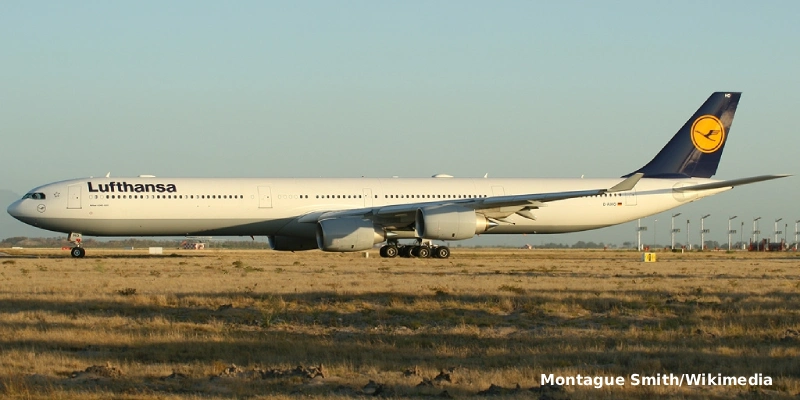
End of an Era: Lufthansa Retires Airbus A340-600 Fleet After 23 Years of Service

ITA Airways Celebrates Its Fifth Anniversary

Condor Launches Daily Flights Between Berlin and Abu Dhabi

Lufthansa in Talks to Acquire Remaining 50.1% Stake in TAP Air Portugal Following Initial Entry

Plataforma Informativa de Aviación Comercial con 13 años de trayectoria.