Global Passenger Demand Grew 6.1% in February Driven by Latin America and Domestic Markets





The International Air Transport Association (IATA) reported that global passenger demand in February 2026 maintained an upward trajectory, recording a 6.1% increase compared to the same month last year. Despite this momentum, the sector is beginning to show signs of caution due to geopolitical tensions and rising operating costs.
Record Global Load Factor
During the second month of the year, the aviation sector demonstrated a solid capacity for recovery and resource optimization. Total traffic, measured in Revenue Passenger Kilometers (RPKs), rose by 6.1%, while total capacity, measured in Available Seat Kilometers (ASKs), increased by 5.6% year-over-year.
One of the most significant milestones of this period was the load factor, which reached 81.4%. This figure represents a 0.3 percentage point increase compared to February 2025 and stands as the highest load factor ever recorded for the month of February in aviation history.
Market Segments: Domestic vs. International
- Domestic Market: Internal traffic showed even more robust performance with a 6.3% increase. Capacity grew by 6.2%, maintaining a load factor of 82.8%. This growth was primarily driven by the Brazilian and Chinese markets.
- International Market: International demand grew by 5.9%. Capacity increased by 5.3%, and the load factor settled at 80.5%.
Regional Analysis: Latin America Leads Year-Over-Year Growth
The performance of international markets varied significantly by region, with Latin America emerging as the global growth engine during February.
| Region | Year-Over-Year Growth | Capacity (ASK) | Load Factor |
|---|---|---|---|
| Latin America | 13.5% | 9.3% | 85.0% |
| Asia-Pacific | 8.6% | 7.3% | 86.6% |
| Europe | 5.0% | 4.5% | 75.6% |
| North America | 5.0% | 2.4% | 80.9% |
| Africa | 4.8% | 6.6% | 74.5% |
| Middle East | 0.9% | 3.8% | 79.6% |
Challenges and Outlook: Uncertainty Due to Armed Conflict
Despite the positive results, IATA leadership has issued warning signs regarding the short-term outlook. Willie Walsh, IATA’s Director General, highlighted that while the fundamentals for growth remain present, the conflict in the Middle East introduces variables that are impossible to quantify accurately at this time.
“Fuel costs have risen sharply. With tight capacity and thin margins, airfares are already increasing,” Walsh noted.
This uncertainty is already impacting airline planning. According to IATA data, scheduled capacity growth for March has moderated to 3.3%, a figure significantly lower than the 5% initially projected. Capacity deployment is being adjusted as a priority on routes transiting through the Middle East or in regions where fuel supply represents an operational challenge.
Related Topics
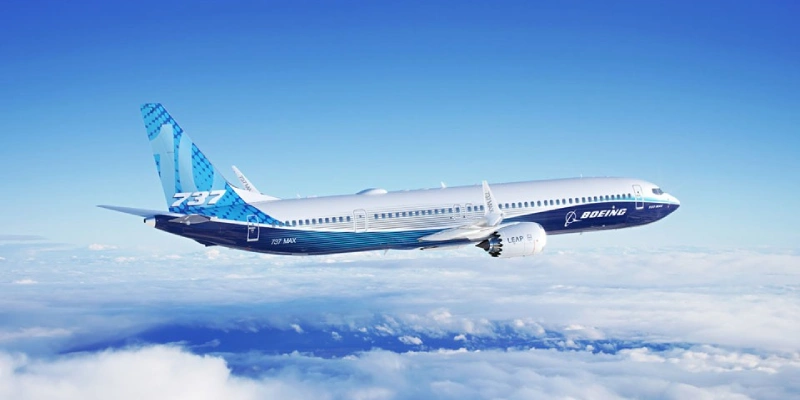
FAA Poised to Certify Boeing 737 MAX 10 Next Week Following Key Safety Review Clearance

Boeing Posts Best Month of 2026 With 57 Aircraft Delivered in September
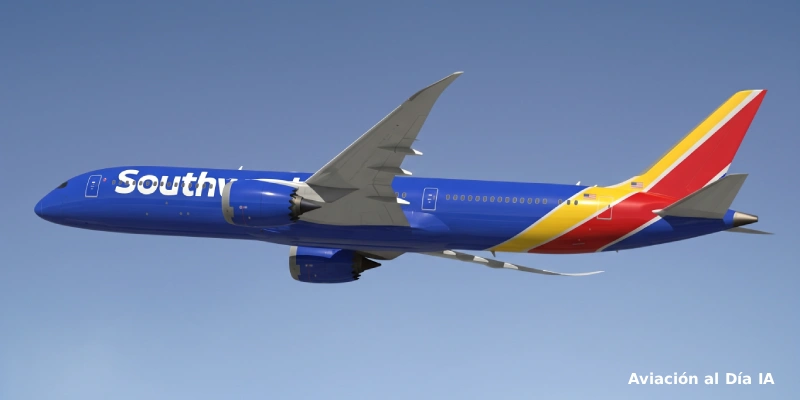
Southwest Airlines Evaluates Widebody Aircraft, Eyes Boeing 787

Avolon Orders 250 Aircraft from Airbus and Boeing

Plataforma Informativa de Aviación Comercial con 13 años de trayectoria.