Severe Storms in U.S. Lead to Over 12,000 Flight Delays or Cancellations
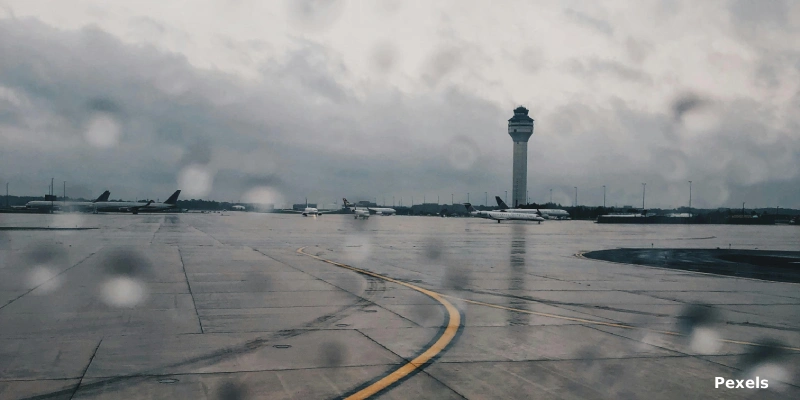




A series of severe storms and extreme weather conditions heavily impacted the United States air transport system this Monday, affecting more than 12,500 flights. The combination of thunderstorms along the East Coast and a powerful winter storm in the Midwest forced authorities to impose operational restrictions at the country’s primary hubs.
General Impact on Flight Operations
According to data from the tracking platform FlightAware, as of 4:00 p.m. Eastern Time, more than 8,500 delays and 4,000 cancellations were recorded within U.S. territory. Transportation Secretary Pete Buttigieg noted that meteorological conditions are disrupting connectivity nationwide, with a particular emphasis on the Great Lakes and East Coast regions.
Airlines and Airports Most Affected
The magnitude of the storms has tested the resilience of major carriers. The level of disruption per airline is distributed as follows:
- American Airlines, Southwest Airlines, and Delta Air Lines: Have seen 45% of their scheduled flights affected.
- United Airlines: Reports 36% of its operations delayed or canceled.
→ American Airlines Elevates Lounge Experience at Miami Hub
At the infrastructure level, the percentage of disruptions at airports reflects the severity of the weather system:
- Atlanta (ATL) and LaGuardia (LGA): 57% of flights affected.
- Chicago O’Hare (ORD): 51% of operations impacted.
FAA Intervention
Due to the imminent risk of high-intensity winds and severe thunderstorms, the Federal Aviation Administration (FAA) issued Ground Delay Programs (GDPs) for airports serving the New York area, including LaGuardia, John F. Kennedy (JFK), and Newark (EWR). Other terminals affected by these measures include Reagan Washington National Airport, Orlando, Charlotte, Atlanta, and George Bush Intercontinental Airport in Houston.
Ground Stop Measures
The FAA implemented Ground Stop protocols to manage safety during the most critical periods:
- Temporary ground stops were imposed at Reagan National, Chicago O’Hare, and Charlotte, which were later lifted.
- However, ground stops remained in effect at Houston Bush Intercontinental and Baltimore/Washington International (BWI).
The aviation industry remains vigilant as these storms evolve, while airlines work to normalize their schedules and rebook passengers affected by this massive operational collapse.
Related Topics

Arajet Resumes Direct Flights Between Punta Cana and Guayaquil

LATAM Airlines Announces Nonstop Flights Between Santiago de Chile and Caracas Starting in January

Satena to Launch Direct Flights Between Montería and Panama City in October

LATAM Airlines Dismisses Rumors Regarding the Creation of a Venezuelan Subsidiary

Plataforma Informativa de Aviación Comercial con 13 años de trayectoria.