Air India Seeks Financial Bailout from Tata and Singapore Airlines Following Record $2.4 Billion Loss
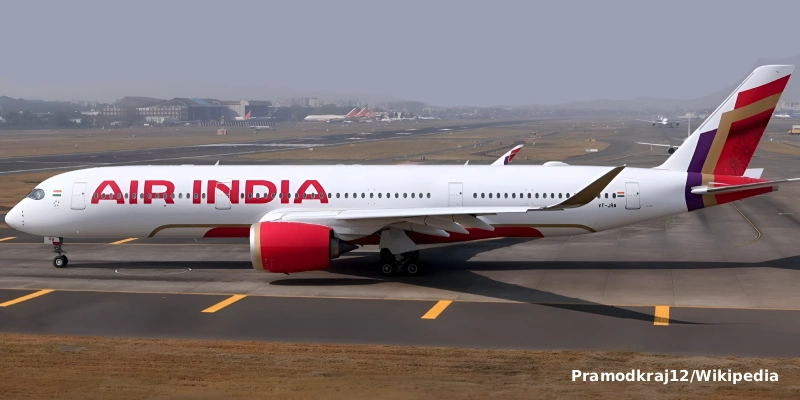




Air India has requested an urgent capital injection from its shareholders after reporting an annual loss of 220 billion rupees (approximately $2.4 billion). This figure, significantly higher than initial projections, places the airline in a critical position as it faces operational crises, accidents, and geopolitical tensions.
A Financial Outlook Severely Worse Than Anticipated
The loss recorded at the close of the fiscal year (March 31) far exceeded the internal estimate of $1.6 billion reported earlier in the year. Given this scenario, the Tata Group—the majority shareholder—and Singapore Airlines, which holds a 25.1% stake in the company, have entered talks to inject funds.
While the goal is to stabilize the airline’s finances, sources close to the process told Bloomberg that the size of the investment is still under discussion and could be less than what Air India actually requires. This would force the carrier to explore additional external financing sources to maintain its operations.
→ Air India Receives Its First Retrofitted Boeing 787-8 with New Cabin and Livery
Key Factors: From Optimism to Operational Crisis
Despite starting the fiscal year in April 2025 with operating profits, a series of external and internal events derailed the company’s objectives:
- Geopolitical Conflicts: The closure of Pakistani airspace to Indian carriers in May forced the operation of much longer and more expensive routes to Europe and the United States.
- Safety Incidents: In June, the tragic crash of a Boeing 787 Dreamliner, which resulted in the deaths of more than 240 people, deeply impacted confidence in the airline and forced a drastic reduction in both domestic and international services.
- Instability in the Middle East: This region represents 16% of the airline’s total capacity. Due to hostilities, a large portion of this network remains grounded, while remaining flights must be diverted, increasing fuel consumption during a period of rising prices.
- External Pressures: Tariff policies and visa restrictions for foreign workers imposed by the United States administration also negatively affected financial results.
Safety Challenges and Institutional Leadership
The financial situation coincides with a crisis in governance and reputation. Chief Executive Officer Campbell Wilson recently announced his intention to step down at the end of this year. His departure comes following a devastating report from the aviation regulator, which ranked the airline last in safety following its annual audit.
Pressure on Tata Group Leadership
Cleaning up the airline’s accounts is not just an operational necessity but an internal political mandate. It has been established that stemming the airline’s losses is one of the key conditions for approving a third term for Natarajan Chandrasekaran as Chairman of the Tata Group.
Despite its ambitious fleet expansion plans, Air India failed to reach the projected operating break-even point by the end of the fiscal year. With Singapore Airlines’ return on investment being dragged down by these negative results and an internal restructuring still pending, the airline’s short-term viability will depend on the speed and amount of the capitalization that its shareholders decide to execute in the coming weeks.
Related Topics

US Lifts Restrictions on Mexican Carriers Following Bilateral Air Transport Agreement Dispute

Resumption of Direct US–Lebanon Flights Faces Setbacks Following Technical ICAO Report
FAA Poised to Certify Boeing 737 MAX 10 Next Week Following Key Safety Review Clearance

Air Canada and United Airlines Boost Transborder Connectivity with New Routes for Summer 2027

Plataforma Informativa de Aviación Comercial con 13 años de trayectoria.