Airbus Revolutionizes Aerial Accessibility with Airspace U Suite: A Leap Toward Total Inclusion
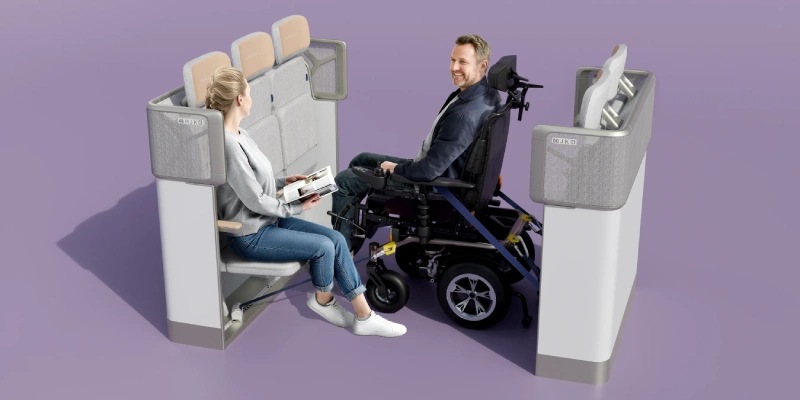




Airbus has officially unveiled the Airspace U Suite, an innovative cabin solution that allows Passengers with Reduced Mobility (PRMs) to travel in their own wheelchairs. This breakthrough aims to eliminate physical barriers and the risk of damage to personal equipment, transforming the flight experience into a dignified and autonomous interaction.
Mobility Challenge: Beyond Logistics
For the more than 1 billion people living with some form of disability globally, air travel often represents a process fraught with compromises and difficulties. Currently, wheelchair users must surrender their personal equipment at the aircraft door to be transported in the cargo hold.
This process involves uncomfortable transfers to narrow aisle chairs and, subsequently, to standard aircraft seats. The statistics are critical: more than one in ten wheelchairs suffer damage during transport. In United States airports alone, over 10,000 damaged wheelchairs are reported annually, with repair costs that can reach $80,000 per incident.
Airspace U Suite: Versatility and Universal Design
The Airspace U Suite concept is not merely a space for wheelchairs; it is a universal aviation design solution that optimizes cabin use for all passengers. The system allows the passenger’s wheelchair to be secured directly to the floor tracks using a specialized restraint system.
Key Benefits of the Concept:
- Total Autonomy: Eliminates the need for manual transfers, allowing the passenger to maintain their independence.
- Risk Reduction: By not traveling in the cargo hold, the possibility of structural damage to electric or manual wheelchairs is drastically mitigated.
- Operational Flexibility: The suite area is adaptable. The same space can be configured for:
- A passenger in their own motorized wheelchair.
- A traveler seeking a fully flat seat for rest.
- A family wishing to share a common space.
- A business team requiring an on-board meeting area.
→ Airbus and Virgin Atlantic Drive “Smart Catering”: AI to Mitigate In-Flight Food Waste
Collaborative Engineering and Flight Validation
This project is the result of years of development led by Airbus engineers Hans-Gerhard Giesa and Dirk Meiranke, who focused on both technical feasibility and airline profitability.
To bring this concept to reality, Airbus established strategic partnerships with experts in specific components such as AMF Bruns, Ipeco, and Sunrise Medical, specializing in restraint systems and folding furniture.
Recent Milestones and Real-World Testing
Development has moved from renders to operational reality. In March 2026, a historic flight test was conducted where, for the first time, a passenger with reduced mobility flew during the cruise phase secured in their own wheelchair. The protagonist of this test was Dirk Thalheim, an Airbus engineer and wheelchair user, whose perspective has been fundamental to the product’s ergonomic design.
Industry recognition has been swift, positioning the Airspace U Suite as one of the three finalists in the Accessibility category of the Crystal Cabin Awards, the most prestigious accolade in aircraft interior innovation.
From Hamburg to Commercial Service
The full prototype of the Airspace U Suite was presented at the Aircraft Interiors Expo (AIX) in Hamburg this Tuesday. This exhibition will allow airlines to experience the configuration firsthand and provide Airbus with the necessary feedback for the final stages of development.
With a first delivery projected for the year 2032, Airbus plans to work closely with aviation authorities to establish a clear certification path. The ultimate goal is to ensure that all safety elements allow for the regular operation of passenger-owned wheelchairs during all phases of flight, marking the beginning of a new era in inclusive aviation.
Related Topics
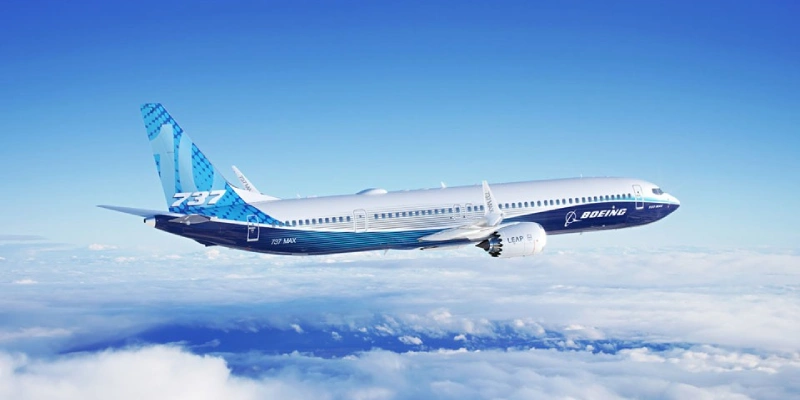
FAA Poised to Certify Boeing 737 MAX 10 Next Week Following Key Safety Review Clearance

Boeing Posts Best Month of 2026 With 57 Aircraft Delivered in September
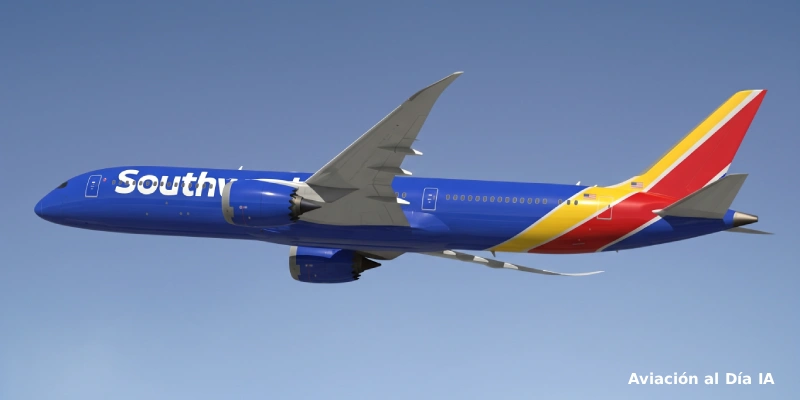
Southwest Airlines Evaluates Widebody Aircraft, Eyes Boeing 787
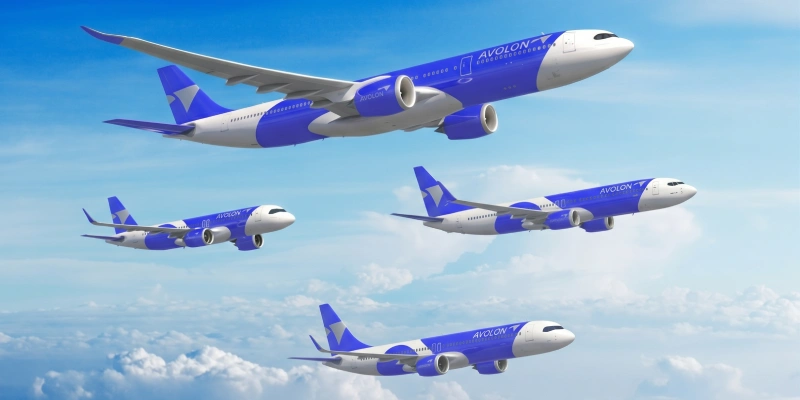
Avolon Orders 250 Aircraft from Airbus and Boeing

Un apasionado por la aviación, Fundador y CEO de Aviación al Día.