Madrid-Barajas Airport Reaches Record Figures in March with Over 5.7 Million Passengers





Adolfo Suárez Madrid-Barajas Airport has consolidated its leadership position by closing March 2026 with 5,732,793 passengers, representing 4.2% growth compared to the same month last year. This figure not only reflects a positive trend but also marks a new all-time high for the month of March in the history of the Madrid infrastructure.
Traffic Analysis: International Boost and Domestic Performance
The breakdown of operational data for March reveals a distinct dynamic between international and domestic markets:
- Commercial Passengers: Of the 5.7 million travelers, 5,720,660 corresponded to commercial operations.
- International Segment: This remained the primary growth engine with 4,313,296 travelers, a 5.6% increase.
- Domestic Segment: This recorded a slight contraction of 0.3%, mobilizing 1,407,364 passengers.
In terms of operations, the airport managed a total of 37,221 flights, which represents a 4.7% increase compared to March 2025. When analyzing the 37,151 commercial operations exclusively, international flights grew by 6.7% (26,158 operations), while domestic flights experienced a slight uptick of 0.5% (10,993 operations).
→ Aena Consolidates Presence in Brazil: Acquires Galeão Airport Concession in Rio de Janeiro
Cargo Transport and First Quarter Cumulative Figures
Despite the success in passenger traffic, freight transport at Madrid-Barajas saw an adjustment in March, with 67,133 tonnes managed—5.3% less than in the same period of 2025. Nonetheless, MAD remains Spain’s primary cargo hub, accounting for 58.7% of the total Aena (Spanish Airports and Air Navigation) network.
First Quarter 2026 Balance
During the first three months of the year, the airport has maintained an upward trajectory:
- Passengers: 16,189,434 (+4.3%).
- Operations: 104,614 flights (+3.7%).
- Cargo: 194,951 tonnes (+2%).
Aena Network Context and Key Growth Factors
At the national level, airports within the Aena network in Spain closed March with 24.7 million passengers (+3.9%). When considering the Aena Group as a whole—which includes the Spanish network, London Luton Airport (LTN), and 17 airports in Brazil—the figure rises to 29.9 million passengers (+4.3%).
There are two determining factors that have influenced this positive traffic behavior during the first quarter:
- Modal Shift: An increase in passengers coming from the rail sector following the accident that occurred on January 18th.
- Calendar Effect: The celebration of Easter between March and April, unlike the previous year when it fell entirely in April, has incentivized travel during this period.
With a cumulative total of more than 81 million passengers across the Aena Group through March, the aviation industry shows solid resilience, supported by robust international connectivity and efficient management of aircraft movements, which already exceed 700,000 so far this year.
Related Topics

Japan Airlines Selects Embraer E190-E2 to Renew J-AIR Regional Fleet

AirAsia in Talks with Malaysian Government Over Potential Financial Support Amid Economic Headwinds and Soaring Fuel Costs

LOT Polish Airlines Launches Direct Flights Between Warsaw and Bangkok
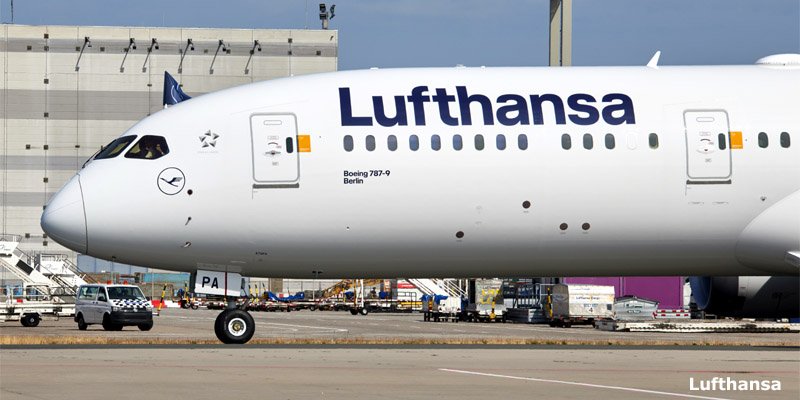
Lufthansa Group Boosts Connectivity to Japan, Reaching Up to 50 Weekly Flights in Summer 2027

Plataforma Informativa de Aviación Comercial con 13 años de trayectoria.