
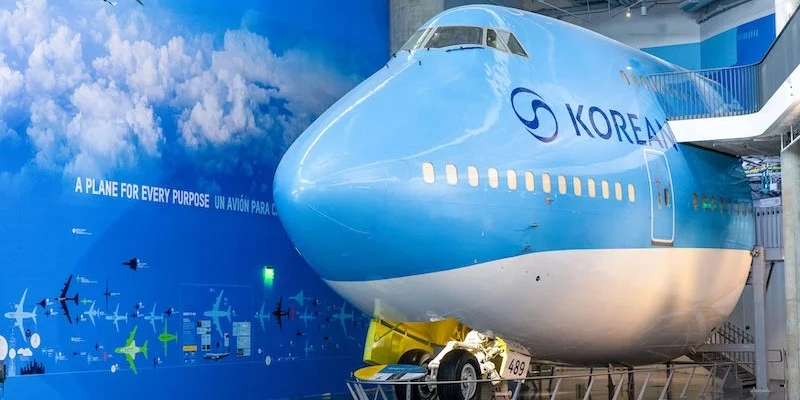
Korean Air has unveiled the donation of a historic Boeing 747-400 aircraft at the newly named Korean Air Aviation Gallery, located within the California Science Center. This milestone marks a significant point in the long-term relationship between the airline and the Los Angeles community, designed to inspire the next generation of industry innovators.
A Milestone in the Los Angeles Community Alliance
The commemorative event took place this Monday in Los Angeles. The ceremony was attended by Walter Cho, Chairman and CEO of Korean Air and Hanjin Group, alongside Jeffrey Rudolph, President and CEO of the California Science Center, as well as key industry stakeholders and media representatives.
For more than five decades, Los Angeles has served as a second home for the Asian carrier. The vision established for this new educational space is to spark curiosity and wonder in young visitors. By showcasing the science and imagination behind flight, the initiative aims to motivate students to become the pilots, engineers, and explorers of tomorrow.
Technical Legacy of the Boeing 747-400
The centerpiece of the gallery is an iconic Boeing 747-400, registration HL7489. This wide-body, double-deck aircraft stands out with its imposing height of 19.4 meters.
The aircraft’s operational history includes the following key data:
- Service Period: Actively operated from 1994 to 2014.
- Flight Activity: Completed a total of 13,842 flights.
- Service Hours: Logged 86,095 total flight hours.
→ Korean Air Redefines Luxury at Incheon Airport: Modernization of VIP Lounges Completed
As one of the company’s flagship aircraft, this model played a fundamental role in the expansion of international air transport and in the airline’s growth as a leading global operator.
A Full-Fuselage Educational and Interactive Experience
Korean Air and the California Science Center are transforming a 70-foot forward section of the aircraft’s fuselage—which includes the upper and main decks, the lower cargo hold, and the landing gear—into a fully hands-on educational exhibit.
Visitors will have the unique opportunity to explore the internal and external components of the aircraft through interactive displays highlighting:
- Landing gear and wheel mechanics.
- Exposed hydraulic systems and internal structural airframes.
- Cargo operations in the lower hold.
- An interactive flight deck (cockpit).
- Virtual flight experiences detailing the aircraft’s aerodynamic principles.
- Guidance on aviation careers, including flight operations, cabin crew, Air Traffic Control (ATC), and maintenance.
- The transformative impact of the Boeing 747 on global aviation history.
Main Attractions of the “747 Experience”
- 747 Experience Theater: An interactive theater offering a simulation of a real flight from Los Angeles to Seoul, Korea.
- Wind Tunnels Exhibit: A wind tunnel laboratory where guests can experiment directly and use the “Wear-A-Wing” device to understand the physical forces that enable flight.
- Design a Plane Exhibit: An experimental zone where visitors can modify aircraft design and wing shapes, and perform parachute drops, learning how aircraft are engineered according to their flight missions.
Integration into the Samuel Oschin Air and Space Center
The Korean Air Aviation Gallery represents one of the three primary exhibition spaces within the new Samuel Oschin Air and Space Center. This major infrastructure is complemented by the Samuel Oschin Space Shuttle Gallery and the Kent Kresa Space Gallery.
Named in recognition of the airline’s sponsorship and donation, the gallery will house the Boeing 747-400 alongside approximately 20 other aircraft. Among the aircraft already installed and suspended from the facility’s ceiling are:
- Grumman F11F-1 Tiger: The first supersonic fighter jet used by the U.S. Navy.
- Convair F-106A Delta Dart: Renowned as the fastest single-engine turbojet-powered aircraft.
- Pitts Special S-1C: An aerobatic biplane built from a kit.
- Hawker Siddeley Harrier T.4: The first jet aircraft with operational Vertical/Short Take-Off and Landing (V/STOL) capabilities.
To date, the California Science Center has not announced an official opening date for the Samuel Oschin Air and Space Center. However, the installation of the Boeing 747 marks the beginning of what is projected to be a world-class educational resource.
Related Topics
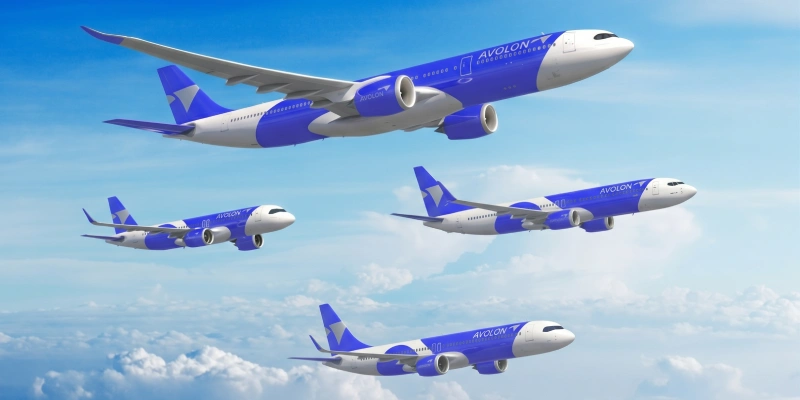
Avolon Orders 250 Aircraft from Airbus and Boeing
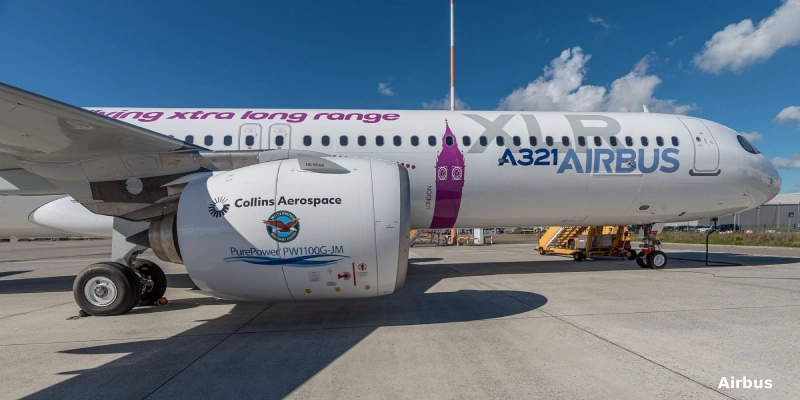
Airbus A321XLR: Reshaping Transatlantic Routes and Replacing Boeing 757
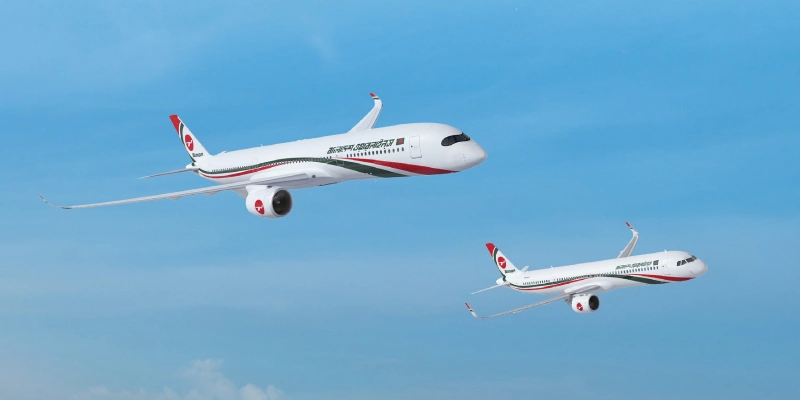
Biman Bangladesh Airlines Signs Order for 10 Airbus Jets
Airbus Picks Up Pace: Delivers 72 Aircraft in September Despite Quality Snags


Un apasionado por la aviación, Fundador y CEO de Aviación al Día.