
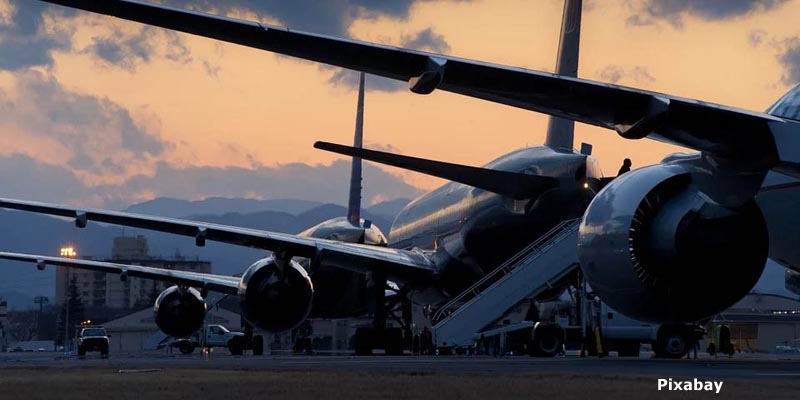
Air connectivity within the European Union practically froze during 2025, recording a net growth of barely 1% in its route network. Driven by an onerous regulatory burden and skyrocketing operating costs, this stagnation raises red flags regarding the continent’s economic competitiveness and job creation.
Growth Below the Historical Average
According to data released by the International Air Transport Association (IATA), the route network connecting Europe—both internally and with the rest of the world—totaled 14,797 routes in 2025. While the figure seems solid, the net increase amounted to just 154 routes.
This performance places the sector below the 1.5% compound annual growth rate (CAGR) recorded over the last decade, reflecting an increasingly hostile operating environment for airlines. Route network dynamics throughout the year were characterized by high volatility:
- Cancelled routes: 1,127 routes were dropped across the European Union.
- Added routes: 1,281 links were introduced, of which 568 corresponded to restarts of routes operated within the last ten years but which had remained suspended for at least 12 months.
Economic Impact of Aerial Stagnation
Aviation and its associated tourism represent an indispensable engine for the European bloc’s prosperity. Currently, this ecosystem supports more than 9.2 million jobs and contributes €760 billion to the European Union’s Gross Domestic Product (GDP).
→ IATA Confirms Success of Digital Identity Trials: Industry Ready for Contactless Travel
The lack of expansion in air links directly bottlenecks business opportunities, social exchange, and leisure spending that have historically unified the continent. IATA leadership points out that the region’s loss of competitiveness is not being addressed with the necessary urgency, hindering airlines’ capacity to drive economic development.
Roadmap: Six Priorities Demanded by the Sector
To reverse this trend and reactivate commercial aviation growth, industry leaders are urging European policymakers to implement a series of urgent structural reforms:
1. Urgent Reform of Passenger Rights Regulations
The current regulatory framework generates an out-of-control cost of €8 billion for airlines. The industry is calling for modifications to the time thresholds that trigger automatic compensation. Mitigating this financial impact would alleviate economic pressure on marginal routes, making them viable once again.
2. An Efficient Strategy for Sustainable Aviation Fuel (SAF)
The cost of conventional jet fuel remains at record highs. To facilitate the transition toward Sustainable Aviation Fuel (SAF), the industry proposes:
- Reducing procurement costs and implementing a book-and-claim system so carriers can purchase SAF where production is most efficient.
- Scrapping the current e-SAF mandate.
- Allocating revenues from the Emissions Trading System (ETS) to subsidize and lower the production costs of clean fuels.
3. Charges, Infrastructure, and Operational Flexibility
- Tariff Control: Strengthening regulations on air navigation charges and airport fees to optimize cost efficiency.
- Slot Flexibility: Allowing greater tolerance in airport slot management during crisis periods.
- Elimination of Fiscal Burdens: Abolishing national passenger taxes, following the recent precedent set by Sweden.
A Call for Immediate Action
The future of European connectivity is being decided against a backdrop of intense macroeconomic pressure, escalating infrastructure costs, and jet fuel prices at historic highs. The airline industry urges the region’s policymakers, currently convening to define the regulatory framework, to implement smarter regulations that restore dynamism to the market before this stagnation becomes irreversible.
Related Topics
British Airways Expands Network for Summer 2027: Touches Down in Tanzania and Boosts Latin American Capacity by 25%

Copa Airlines Restores Second Daily Flight to Caracas, Venezuela

Avianca Strengthens Cross-Border Network: Launches Daily Flights Between Bogotá and Maracaibo, Venezuela

LATAM to Expand International Connectivity With New Direct Route Between Santiago de Chile and Salvador de Bahia


Un apasionado por la aviación, Fundador y CEO de Aviación al Día.