

The state-owned carrier Qatar Airways has reported a 7% decline in its annual net profit, driven by the impact of the conflict in Iran and temporary airspace closures. Despite this challenging backdrop, the airline highlighted a robust financial position and steady progress in restoring its worldwide flight schedule.
Financial and Operational Impact of the Middle East Conflict
The commercial aviation industry is facing its most severe crisis since the COVID-19 pandemic. Since the outbreak of hostilities in late February, airlines have been forced to manage thousands of flight cancellations triggered by restrictions and closures within regional airspace.
Despite this complex operational environment, the airline’s balance sheet remains resilient:
- Net Profit: The carrier registered profits of 7.08 billion Qatari riyals ($1.94 billion) for the 12-month fiscal year ending March 31.
- Passenger Traffic: Traveler volume experienced a slight contraction, settling at 41.8 million passengers compared to the 43.1 million recorded the previous year.
→ Qatar Airways Lands in Colombia and Venezuela: Connecting Doha with Bogota and Caracas Starting July
Recovery Strategy and Summer Route Expansion
Qatar Airways Chief Executive Officer, Hamad Al-Khater, emphasized that the airline is actively rebuilding its global network. According to the executive, the recovery is backed by a historically strong balance sheet, deep strategic alliances, and the organization’s proven ability to operate under genuine pressure.
The airline’s contingency and growth plan focuses on the following key points:
Network Goals for the Summer Season
The Gulf carrier has set a target to expand its connectivity to reach more than 160 destinations ahead of this summer.
Regional Context and Available Capacity
Both Qatar Airways and its Dubai-based rival Emirates are gradually restoring their networks. However, total sector capacity in the Persian Gulf region still remains below pre-conflict levels.
Geopolitical Uncertainty on the Horizon
The normalization process for flight operations is unfolding in a volatile environment. Industry stability remains under threat following recent targeted attacks against the United Arab Emirates this month—events that have injected a high degree of uncertainty into the fragile ceasefire originally brokered in April.
Related Topics
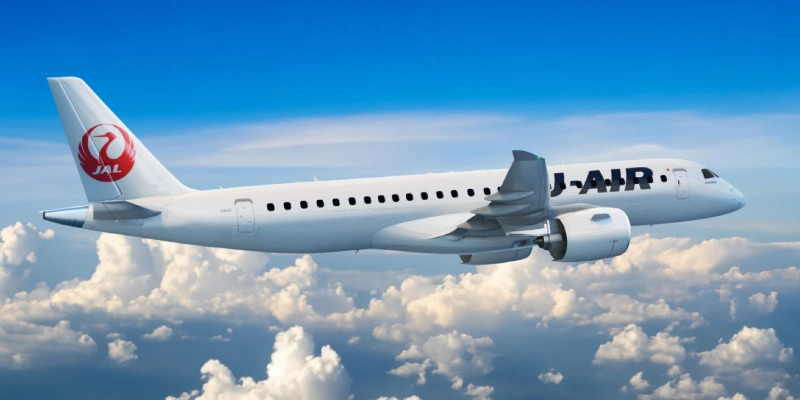
Japan Airlines Selects Embraer E190-E2 to Renew J-AIR Regional Fleet
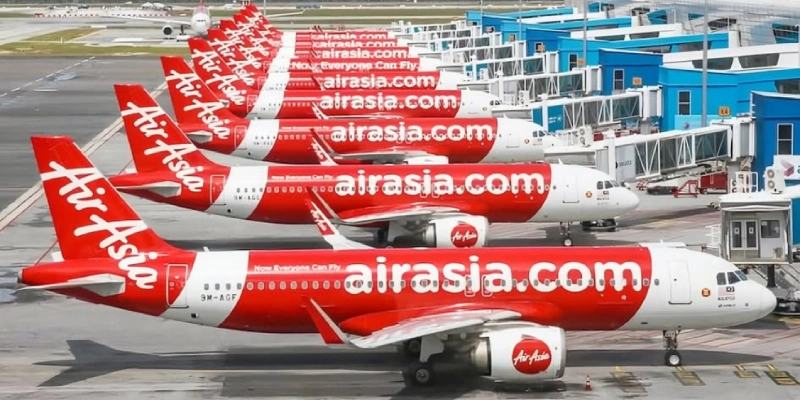
AirAsia in Talks with Malaysian Government Over Potential Financial Support Amid Economic Headwinds and Soaring Fuel Costs

LOT Polish Airlines Launches Direct Flights Between Warsaw and Bangkok
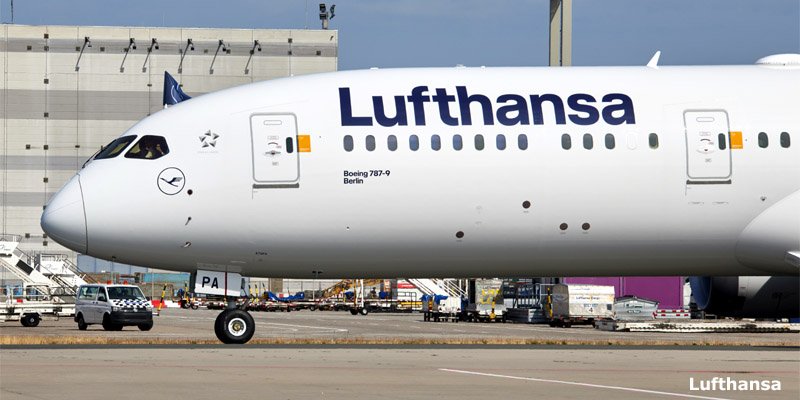
Lufthansa Group Boosts Connectivity to Japan, Reaching Up to 50 Weekly Flights in Summer 2027


Plataforma Informativa de Aviación Comercial con 13 años de trayectoria.