Aserca Airlines Plans Venezuelan Market Comeback with an Airbus Fleet
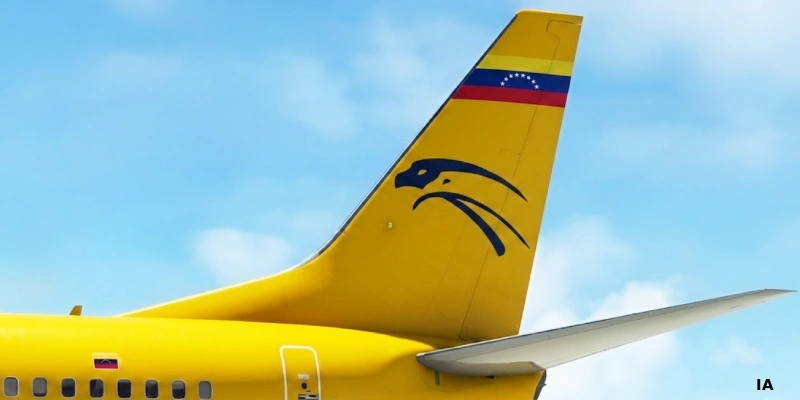




The CEO of Aserca Airlines, Simeon Garcia, confirmed during EVTV Miami’s program La Entrevista the launch of regulatory procedures with aviation authorities to reactivate the historic Venezuelan carrier.
Certification Process with INAC
Since February 26, 2026, Aserca Airlines has been submitting documentation to the National Institute of Civil Aviation (INAC) to initiate the paperwork for its return to Venezuelan airspace, according to Garcia. Currently, the organization is awaiting regulatory approval to formally begin the technical phases of the certification timeline stipulated under Venezuelan Aviation Regulations (RAV 119 and 121), which evaluate the legal, financial, and technical capabilities of commercial air transport operators.
The company’s corporate and historical base is located in Valencia, Carabobo State, under the legal identity of Aeroservicios Carabobo (Aserca)—a firm originally founded in 1968 and acquired by the businessman in 1990. However, the new operating model will unify the legacy of the former Aserca Airlines and SBA Airlines, both previously owned by Grupo Condor, under a single global brand.
Technological Transition: Betting on the Airbus Family
One of the project’s key structural developments is a qualitative leap in fleet aeronautical engineering. Leaving behind previous-generation aircraft, Aserca has selected Airbus platforms to standardize its operations, which will be provided through its long-term strategic partner, the leasing company Sky Holding.
According to Garcia, the selection of this aircraft family is based on three key technical criteria:
- Flight Deck Commonality: Airbus technology allows the same pilot pool to seamlessly operate both narrowbody and widebody models (such as the A320, A321, A330, and A340), optimizing crew training times and costs.
- Operational Efficiency: The manufacturer’s advanced automation, flight operations scheduling, and predictive maintenance systems are major highlights.
- New Visual Identity: The aircraft will feature a unified yellow livery displaying the Venezuelan flag. This livery was chosen due to the immediate availability of paint slots with the provider, aiming to accelerate delivery times.
Route Projections and Job Creation
The airline’s strategic plan aims to recover the connectivity volume it boasted during its 28-year commercial history in the market (1990–2018), a period in which it recorded peaks of up to 100 daily flights.
The carrier projects operating both domestic and international routes, generating approximately 1,500 direct jobs and 6,000 indirect jobs.
Financial Clarifications and the 2018 Cessation of Operations
Garcia addressed the macroeconomic factors that forced the company’s closure in 2018, denying any scenario involving bankruptcy, default, or suspension of payments. The grounding of operations was caused by an unsustainable financial environment, marked by a cumulative hyperinflation of 10,000,000% between 2015 and 2018.
This crisis, coupled with the imposition of price-controlled domestic fares and audits by the National Superintendency for the Defense of Socioeconomic Rights (SUNDDE)—which in 2017 mandated that the entirety of international inventory be sold exclusively in bolivares—wiped out the financial reserves required to cover hard-currency costs for leases, international insurance, and maintenance reserves for engines and components.
Responding to past public narratives regarding the use of preferential foreign exchange allocated by the Foreign Exchange Administration Commission (CADIVI), Garcia clarified that the misappropriation of funds is technically impossible in the sector. Every foreign currency request strictly required the prior issuance of an Aeronautical Technical Report by INAC, alongside domestic non-production certificates issued by the Ministry of Commerce for consumables, insurance, and leases.
Over a 15-year period, the group received approvals for an estimated $400 million; however, the state mechanism defaulted on a $178 million debt owed to international suppliers. This outstanding balance had to be covered and renegotiated privately by the airline’s board through the liquidation of personal assets to honor commercial commitments and maintain the trust of global lessors.
The actual resumption of commercial flights remains subject to the pace of evaluations by the national regulatory body. Aserca Airlines’ management maintains an optimistic outlook given current signs of economic liberalization and market opening within the fuel sector and international transactions, reaffirming that aircraft availability is immediate once all legal phases are completed.
Related Topics

US Lifts Restrictions on Mexican Carriers Following Bilateral Air Transport Agreement Dispute

Resumption of Direct US–Lebanon Flights Faces Setbacks Following Technical ICAO Report
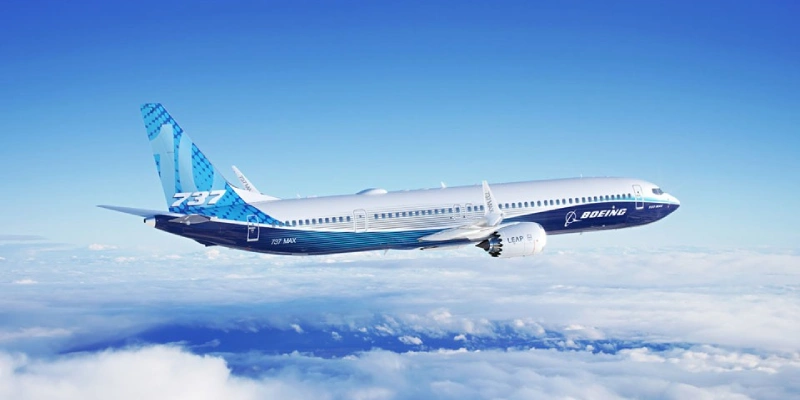
FAA Poised to Certify Boeing 737 MAX 10 Next Week Following Key Safety Review Clearance

Air Canada and United Airlines Boost Transborder Connectivity with New Routes for Summer 2027

Un apasionado por la aviación, Fundador y CEO de Aviación al Día.