

Brazilian carrier Azul Linhas Aéreas will accelerate cuts to its operational capacity due to surging aviation fuel prices, a direct consequence of the conflict in Iran. The company aims to safeguard liquidity and maintain profitability in a highly uncertain macroeconomic environment.
Capacity Strategy Amid a High-Cost Scenario
The company’s Chief Executive Officer, John Rodgerson, noted that major airlines across the industry are trimming capacity to align supply with a demand landscape heavily impacted by soaring operating costs. Azul will follow this global trend, deepening its initially projected cuts as the geopolitical conflict drags on.
The airline’s strategy will focus on optimizing fleet utilization under a clear financial premise: avoiding the over-utilization of aircraft (at 13 to 14 hours per day) when fuel prices double, thereby ensuring the profitability of every single route.
→ Azul Linhas Aereas cements long-haul strategy with new Airbus A330neo order
Domestic Market Focus and Hub Operations
During the second quarter of the year, the bulk of Azul’s reductions were concentrated on its international routes. The new phase of adjustments will pivot toward the domestic market through the following actions:
– Frequency Reductions: The number of daily flights on specific routes will be decreased rather than canceling destinations entirely. For instance, the route to Curitiba could be adjusted from six to four daily flights.
– Hub Protection: The airline will prioritize operations at its main connecting hubs:
- Campinas
- Belo Horizonte
- Recife
- Station Suspensions Under Review: While the total suspension of operations in certain cities has not yet been executed, corporate management is keeping this option under review should market conditions demand it.
Financial Outlook and Demand Projections
Despite the challenging environment, Azul’s capital structure shows greater resilience compared to its competitors after completing a major debt restructuring process. The company successfully emerged from Chapter 11 bankruptcy protection in February, backed by the strategic and financial support of U.S. carriers United Airlines and American Airlines.
Regarding market behavior, the company anticipates that yields will remain under pressure during the second quarter, a period traditionally considered seasonally weak. However, they project a recovery scenario for the third and fourth quarters, where strengthening demand is expected to support and consolidate higher airfairs.
Related Topics

Singapore Airlines Overhauls In-Flight Experience with Next-Generation KrisWorld and Starlink Satellite Connectivity
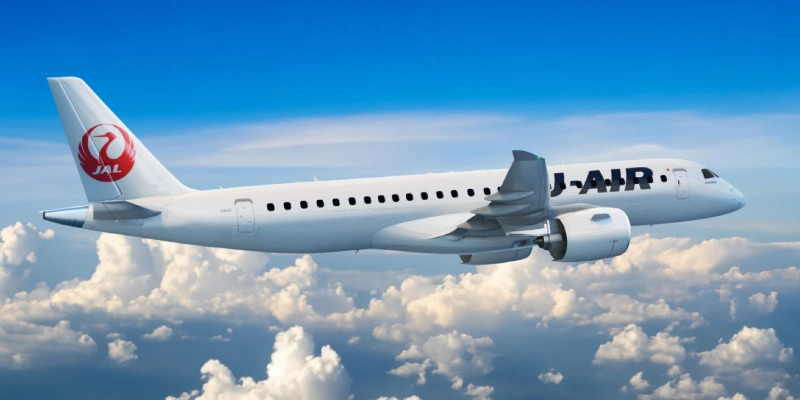
Japan Airlines Selects Embraer E190-E2 to Renew J-AIR Regional Fleet
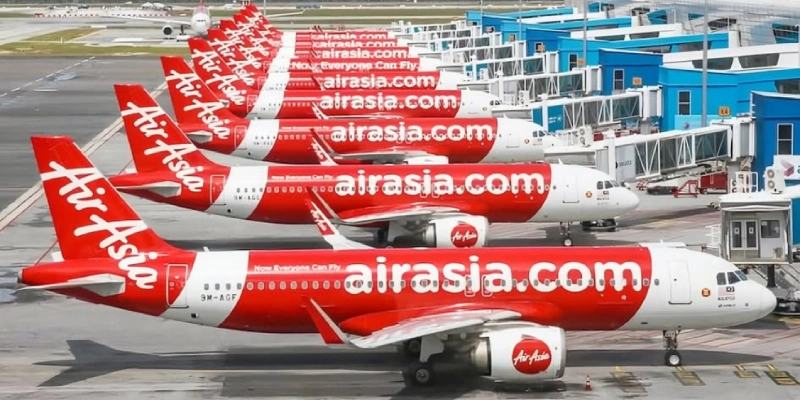
AirAsia in Talks with Malaysian Government Over Potential Financial Support Amid Economic Headwinds and Soaring Fuel Costs
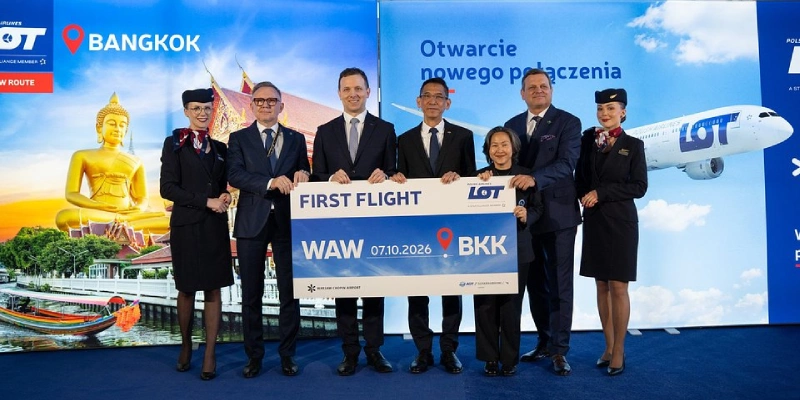
LOT Polish Airlines Launches Direct Flights Between Warsaw and Bangkok

Plataforma Informativa de Aviación Comercial con 13 años de trayectoria.