Iberia Launches Direct Flights Between Madrid and Toronto
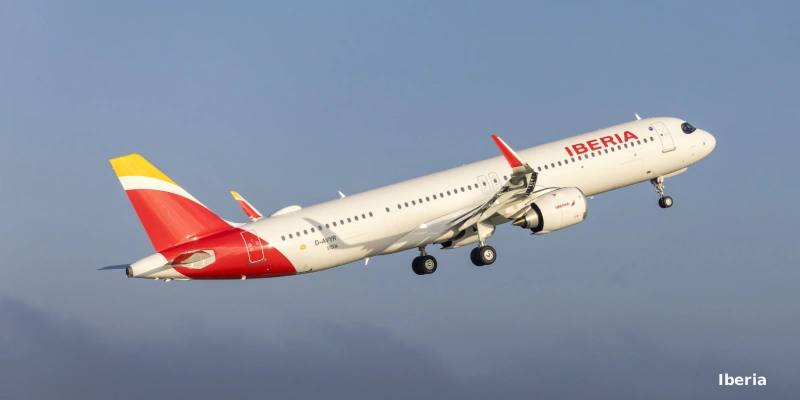




Iberia has marked a new milestone for connectivity between Spain and Canada with the departure of its inaugural direct flight between Madrid and Toronto, which recorded a load factor exceeding 95%. This new connection represents a key step within the airline’s international expansion strategy in North America, operating in a demanding global market environment.
Inaugural Flight Details and Seasonal Connectivity
The inaugural flight departed Madrid-Barajas at 12:00 this Saturday and is scheduled to land at Toronto Pearson International Airport at 15:00, local time. With this launch, the carrier establishes a scheduled connectivity option aimed at boosting commercial, corporate, and cultural exchange on both sides of the Atlantic.
Frequencies and Seat Capacity
- The airline will operate a total of five weekly frequencies between both cities, scheduled for Mondays, Wednesdays, Fridays, Saturdays, and Sundays.
- During the summer season, Iberia will offer more than 37,000 seats to meet the projected demand on this route.
→ Air Transat and Iberia Sign Interline Agreement to Boost Canada-Spain Connectivity
Airbus A321XLR: Efficiency in Long-Haul Operations
The operation of this transatlantic route relies on the Airbus A321XLR, the most efficient model in Iberia’s fleet for this type of route. This narrowbody aircraft represents a cornerstone of the airline’s long-haul strategy due to its operational flexibility and versatility.
Aircraft Configuration and Capabilities
- Capacity and Cabin Classes: The aircraft features the new Airspace cabin and is configured in a two-class layout (Business and Economy), offering a total of 182 seats.
- Comfort Standards: The model is designed to maintain the comfort levels characteristic of the carrier’s long-haul widebody fleet within a single-aisle cabin.
Iberia currently has eight aircraft of this model in its fleet, thereby completing the order placed in 2019.
Iberia’s Flight Plan 2030
The addition of Toronto to the network comes amid a global environment shaped by volatile fuel prices and geopolitical tensions. Despite this adverse backdrop, the airline continues to move forward with the execution of its Flight Plan 2030, the company’s strategic roadmap for the coming years.
This plan entails a €6 billion investment focused on the following pillars of development:
- Fleet Expansion: Renewal and expansion of the long-haul fleet, increasing from the current 51 aircraft to a total of 70 airframes.
- Digitalization and Experience: Implementation of enhancements in service digitalization and optimization of the customer experience.
- New Markets: Launch of new destinations aimed at generating prosperity and efficiently connecting new international markets.
Related Topics
Argentine Airports Record All-Time Passenger Traffic High in September

US Lawmakers Demand FAA Halt Use of New AI Tool in Washington Airspace

Madrid-Barajas Airport Tops 6.3 Million Passengers in September, Consolidating Operational Growth

Heathrow Expansion Push Reaches Parliament: A £33 Billion Investment to Unlock Connectivity

Un apasionado por la aviación, Fundador y CEO de Aviación al Día.