Airbus and MTU Aero Engines Partner to Develop Hydrogen Fuel Cell Engine
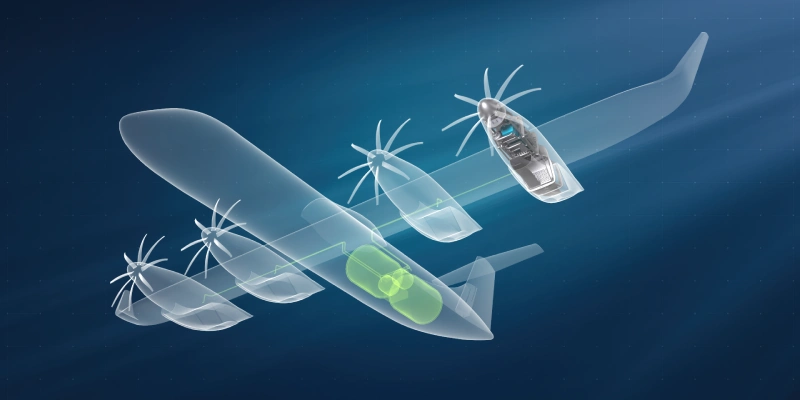




Airbus and MTU Aero Engines have announced their intention to deepen their collaboration by establishing a joint venture dedicated to the development and commercialization of an all-electric hydrogen fuel cell engine. This strategic move aims to accelerate the transition toward zero-emission commercial aviation and transform air transport in a manner similar to the impact of electric vehicles on the automotive industry.
A Strategic Alliance to Accelerate Electric Propulsion
The establishment of this new legal entity represents a key milestone that builds upon the Memorandum of Understanding (MoU) signed by both companies during the Paris Air Show in June 2025. Operating under a dedicated and agile organizational structure, the partners will focus their efforts on accelerating the technological development, design, testing, and certification of a revolutionary hydrogen-based propulsion system.
The new venture will be fully backed by Airbus and MTU Aero Engines, with both organizations contributing their comprehensive technical expertise through various engineering and manufacturing teams.
→ Airbus Informally Targets 900 Deliveries in 2026 Following Solid June Performance
Synergies and Division of Core Competencies
To lead this segment and deliver the first hydrogen fuel cell propulsion system for a commercial aircraft, the joint venture will merge the capabilities of two European industry giants:
- Airbus: Will provide its extensive expertise in commercial aircraft programs, significant experience in fuel cell propulsion systems, and mastery of liquid hydrogen handling.
- MTU: Will contribute its multi-year track record in fuel cell technology development, along with its renowned expertise in engine design, integration, validation, certification, and maintenance.
Technological Sovereignty and Full Lifecycle
The underlying objective of this alliance is to cover the entire lifecycle of fuel cell propulsion systems, spanning from initial research to the commercialization phase.
“Our planned joint venture is the next logical step in our shared vision of a hydrogen-based propulsion concept for aviation,” said Bruno Fichefeux, Head of Future Programs at Airbus. “By bringing our technology and expertise together into a dedicated entity, we are establishing a European powerhouse capable of transforming advanced research into industrialized and certifiable electric propulsion systems.”
According to Fichefeux, this company will not only help secure strategic sovereignty in the next generation of aeronautical technologies but will also reinforce the ability to achieve Airbus’s long-term ZEROe ambition.
For his part, Dr. Stefan Weber, Senior Vice President of Engineering and Technology at MTU, highlighted the project’s environmental and operational impact:
“Our ambitious goal is to pave the way for a newly developed, safe, reliable, and cost-effective propulsion system that contributes to climate-neutral aviation. This project is a crucial milestone on our journey toward the first hydrogen-powered engine, and it represents true European technological leadership.”
Next Steps and the Hydrogen Ecosystem
While the current agreement is non-binding, it remains subject to standard regulatory approvals and the completion of relevant social and labor consultation processes at both the European and national levels. The new joint venture is projected to formally begin operations in 2027.
Beyond the core development of the engine, both Airbus and MTU will continue to jointly drive the emergence of a hydrogen-based aviation economy, as well as the associated regulatory framework. Both factors are considered critical enablers for making large-scale hydrogen-powered flight viable in the future.
Related Topics
Japan Airlines Selects Embraer E190-E2 to Renew J-AIR Regional Fleet
LATAM Airlines Brazil Takes Delivery of Its First Embraer E195-E2

Embraer Reports Record Third-Quarter Performance With 66 Aircraft Delivered
Embraer Nears Key Regional Jet Order from Japan Airlines

Un apasionado por la aviación, Fundador y CEO de Aviación al Día.