

Boeing reported a net loss of $428 million for the second quarter of the year. Results were dragged down by a new $280 million charge stemming from rising engineering costs aimed at securing the targeted 2028 delivery of the two aircraft designated for the U.S. Air Force’s Air Force One replacement program.
The loss per share stood at $0.76, missing the average estimates of analysts surveyed by London Stock Exchange Group, who had projected a loss of $0.30 per share. Nevertheless, this performance reflects an improvement over the $1.24 loss per share reported in the same period last year.
Despite reporting a loss deeper than market expectations, Boeing shares rose 4% in mid-day trading. Investor optimism was bolstered by sustained progress in the manufacturer’s operational turnaround plan and strong cash generation during the quarter.
A key factor driving market confidence was free cash flow, which reached $631 million for the quarter, reversing the $200 million negative outflow reported in Q2 2025. According to the company, this rebound was primarily driven by higher-than-anticipated customer advance payments.
With these results, the aerospace OEM maintains its full-year free cash flow guidance of between $1 billion and $3 billion. If achieved, this would mark its first full year of positive cash flow since 2023.
Challenges in the Presidential Aircraft Program
The program to replace the Air Force One fleet continues to present a financial headwind for the manufacturer. The project operates under a $3.9 billion fixed-price contract awarded in 2018 to modify two Boeing 747-8 aircraft. The initiative is currently running four years behind schedule and has incurred cost overruns exceeding $1 billion.
→ Trade Tensions: Boeing Seeks U.S. Intervention Over Record E.U. Loan to Airbus
Concurrently, U.S. President Donald Trump temporarily accepted a Boeing 747-8 donated by the government of Qatar to serve in a presidential transport capacity. However, the president confirmed that the aircraft will soon be sent to modification facilities following questions regarding its technical specifications and security systems.
Production Ramp-Up and Supply Chain Bottlenecks
The company’s long-term financial recovery is critical to paring down its net debt, which stands near $26 billion. To achieve this, Boeing has focused its efforts on accelerating deliveries of its flagship narrowbody family, the Boeing 737 MAX:
- Boeing 737 MAX: Monthly production rates increased from 42 to 47 aircraft per month. Operational targets project ramping up the cadence to 52 units per month early next year, before eventually reaching 57 aircraft per month.
- Supply Chain Constraints: Boeing Chief Executive Kelly Ortberg cautioned that reaching the 57-aircraft-per-month target will require improved performance from key tier-1 suppliers, particularly in critical areas such as wing assembly.
- Boeing 787 Dreamliner: The OEM aims to boost production to 10 aircraft per month. However, engine deliveries from GE Aerospace remain the primary constraint. Following powerplant shipment delays in the first half of the year, Boeing is working directly with the engine manufacturer on a recovery plan.
Strategic Capital Expenditures
During the quarter, Boeing increased capital expenditures compared to last year. Funds were primarily allocated toward expanding manufacturing capacity for the Boeing 787 line in South Carolina and strengthening military jet production facilities in the St. Louis, Missouri area.
While fixed-price defense contracts like Air Force One continue to weigh on Boeing’s income statement, the resumption of positive cash flow and the ramping production rate of the Boeing 737 MAX offer signals of stabilization to the broader industry.
Related Topics
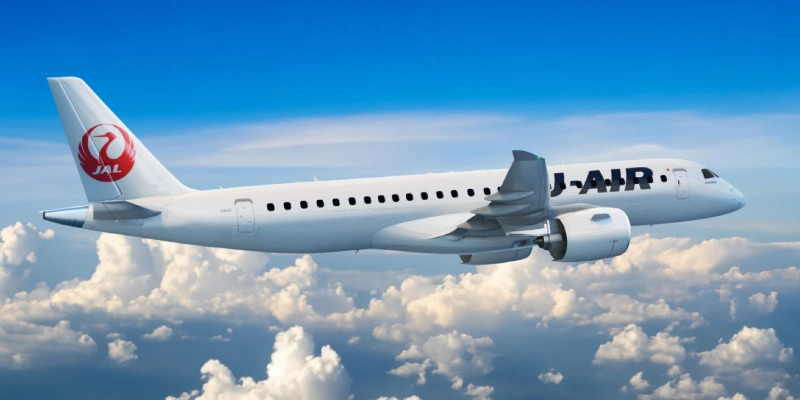
Japan Airlines Selects Embraer E190-E2 to Renew J-AIR Regional Fleet
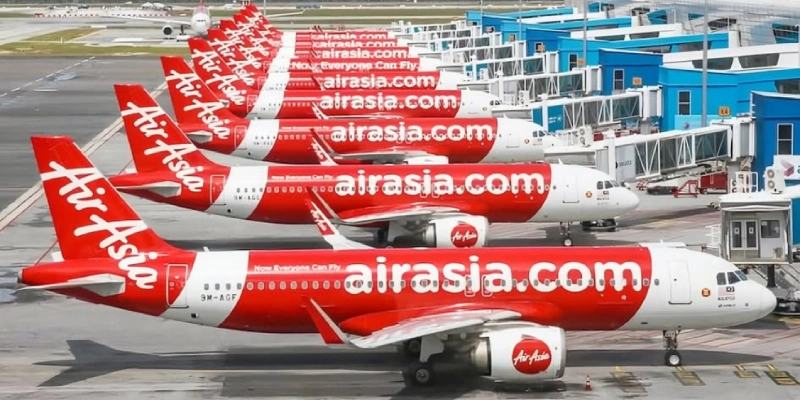
AirAsia in Talks with Malaysian Government Over Potential Financial Support Amid Economic Headwinds and Soaring Fuel Costs

LOT Polish Airlines Launches Direct Flights Between Warsaw and Bangkok
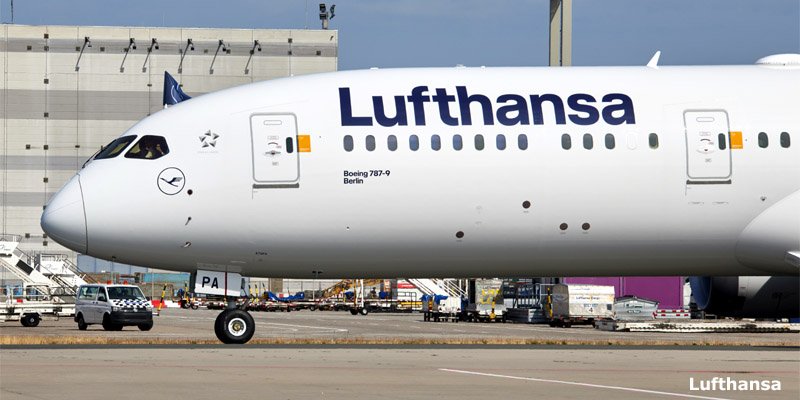
Lufthansa Group Boosts Connectivity to Japan, Reaching Up to 50 Weekly Flights in Summer 2027


Un apasionado por la aviación, Fundador y CEO de Aviación al Día.