

Gulf region airlines are in preliminary talks with Airbus and Boeing to acquire early delivery slots originally allocated to Air India, Bloomberg reported. This strategic move comes in response to potential deferrals in the Indian carrier’s order book, which would free up highly coveted production slots in today’s tight market.
Coveted Market for Delivery Slots
The ability to take delivery of aircraft in the short to medium term has become a critical competitive advantage in the industry. With backlogs for Airbus and Boeing’s most popular aircraft formally stretching into the next decade, securing delivery slots for 2029 and 2030 represents a golden opportunity for airlines seeking rapid expansion.
Against this backdrop, Middle Eastern operators are making their moves:
- Etihad Airways: The national carrier of the United Arab Emirates is close to securing approximately half a dozen near-term Boeing 787 Dreamliner slots currently held by Air India.
- Saudia: The Saudi Arabian flag carrier is also in talks with manufacturers to accelerate its fleet modernization.
→ SAS Announces Largest Investment in its History: Orders Up to 40 Airbus A330 Aircraft
Etihad Chief Executive Officer Antonoaldo Neves recently confirmed that the airline has already managed to secure advanced delivery positions for certain models due to other operators postponing or canceling their previous commitments.
Air India’s Crossroads and the Tata Group Restructuring
The shifts in the delivery logbooks come at a time when Air India’s majority owner, Tata Group, is pressing management to curb record losses. The Asian airline is evaluating various avenues to optimize its route network and postpone massive expansion plans.
Although sources close to the negotiations confirm the talks, there is a disparity in statements across the sector:
- Air India’s Stance: An official spokesperson for the airline stated that they have not deferred any orders or delivery slots with Airbus or Boeing, asserting that their fleet modernization program remains on schedule. However, the company declined to comment on subsequent inquiries regarding ongoing discussions.
- Manufacturers’ Response: Airbus limited its response to stating that it does not comment on its customers’ delivery backlogs, while Boeing redirected inquiries directly to the buyers.
A History of Fleet Opportunism
This is not the first time Air India has been involved in aircraft reallocation. Previously, the Indian carrier capitalized on global market shifts by acquiring more than 50 Boeing 737 MAX jets originally built for Chinese airlines, as well as Airbus A350 widebody twin-jets initially destined for Russian carrier Aeroflot.
While current talks between the manufacturers and Gulf carriers are preliminary and no definitive agreements have been formalized, the situation highlights the volatility and high value within the aerospace supply chain. Should Air India’s deferrals materialize, operators like Etihad and Saudia will gain considerable traction in their growth plans for the end of this decade.
Related Topics
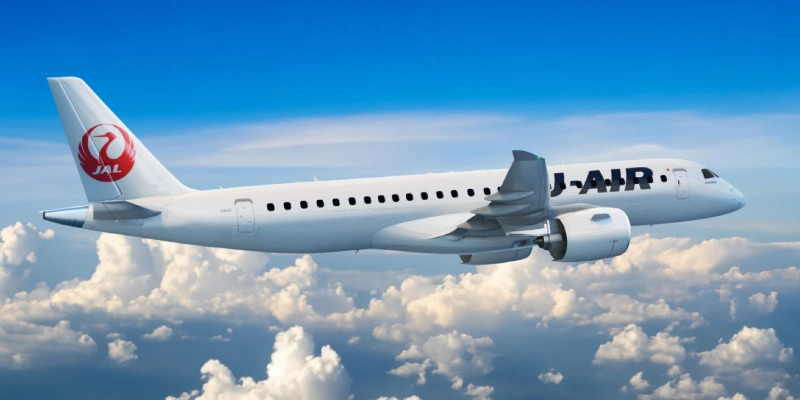
Japan Airlines Selects Embraer E190-E2 to Renew J-AIR Regional Fleet
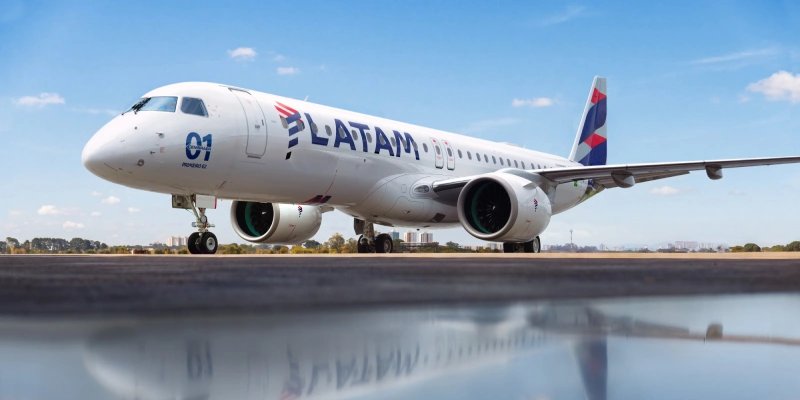
LATAM Airlines Brazil Takes Delivery of Its First Embraer E195-E2
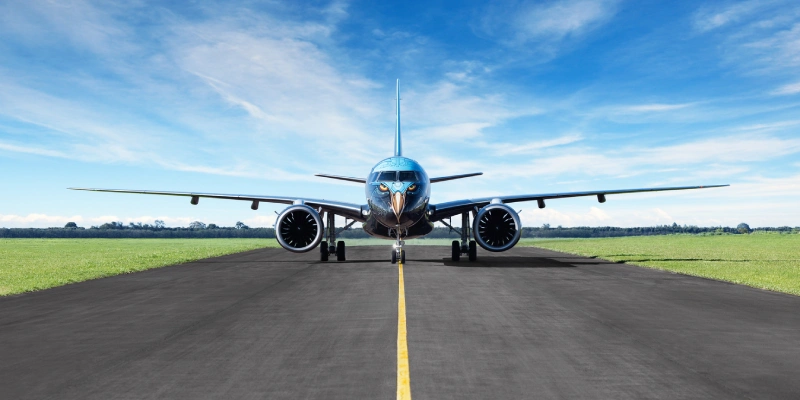
Embraer Reports Record Third-Quarter Performance With 66 Aircraft Delivered
Embraer Nears Key Regional Jet Order from Japan Airlines


Plataforma Informativa de Aviación Comercial con 13 años de trayectoria.