United Airlines Faces Class-Action Lawsuit Over Sale of “Window Seats” Lacking Windows
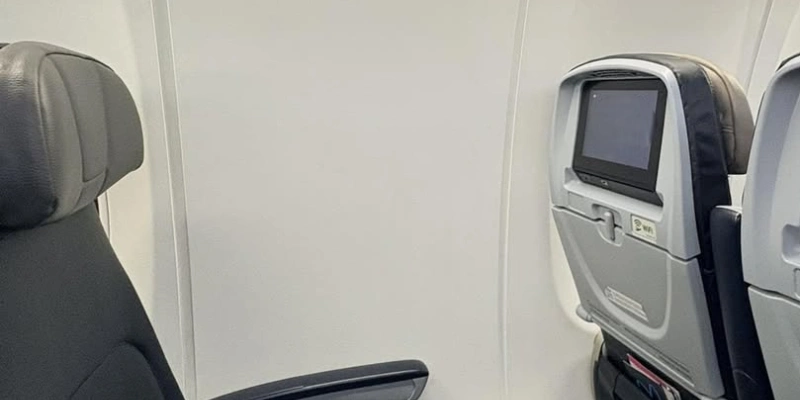




A federal judge in San Francisco has denied United Airlines’ motion to dismiss a lawsuit filed by passengers who paid premium fees for window seats, only to discover upon boarding that these seats lacked an exterior view. This legal decision sets a significant precedent regarding consumer expectations and transparency within airline booking systems.
Legal Argument: What Defines a Window Seat?
The Chicago-based U.S. network carrier attempted to have the lawsuit dismissed by arguing that the term “window” strictly referred to the seat’s location relative to the cabin wall and the aisle. According to the company, there was no contractual promise that such seats would provide views of the outside.
However, U.S. District Judge James Donato rejected this stance. The magistrate noted that:
- Ticketing terms, boarding passes, and reservation screens expressly specify that the airline will provide window seats to those who pay for them.
- Federal law does not preempt or invalidate breach-of-contract claims brought by consumers under these circumstances.
- The arguments presented are sufficient for the breach-of-contract claims to proceed in court.
Affected Fleets and the Reason Behind “Blind Windows”
The proposed class-action lawsuit targets not only United Airlines but also Delta Air Lines, following passenger documentation of missing windows in specific aircraft configurations. The models highlighted in the legal proceedings include:
- Boeing 737
- Boeing 757
- Airbus A321
Technically, the absence of window openings in these specific rows stems from aircraft design, as the fuselage sidewalls must occasionally align with operational components, such as air conditioning system ducting. The core of the claim rests on the fact that the air carriers failed to clearly disclose the lack of a window during the booking process.
Multi-Million Dollar Claims and Passenger Impact
According to the plaintiffs, choosing this seat type is not merely an aesthetic preference. Passengers routinely book and pay extra for a window seat to mitigate fear of flying and motion sickness (airsickness), keep children entertained, secure better lighting, or simply enjoy the landscape.
The financial and operational scope of this litigation is massive:
- Financial Compensation: Both lawsuits seek millions of dollars in damages.
- Affected Passengers: The class-action lawsuit is estimated to represent more than 1 million passengers per airline.
While United Airlines faces the proceedings in San Francisco, Delta Air Lines is actively seeking to dismiss its respective lawsuit in the federal court of Brooklyn, New York.
Next Steps and Changes to the Booking System
In light of the ongoing litigation, United Airlines declined to comment directly on the pending lawsuit. Nevertheless, the airline reported that it has added greater detail to its seat selection process, aiming to provide customers with more information regarding exactly what to expect when choosing their onboard location. The law firms representing the affected passengers did not issue immediate statements following Judge Donato’s ruling.
Related Topics

Panama to Boost Tocumen International Airport Capacity with $306.75 Million Investment
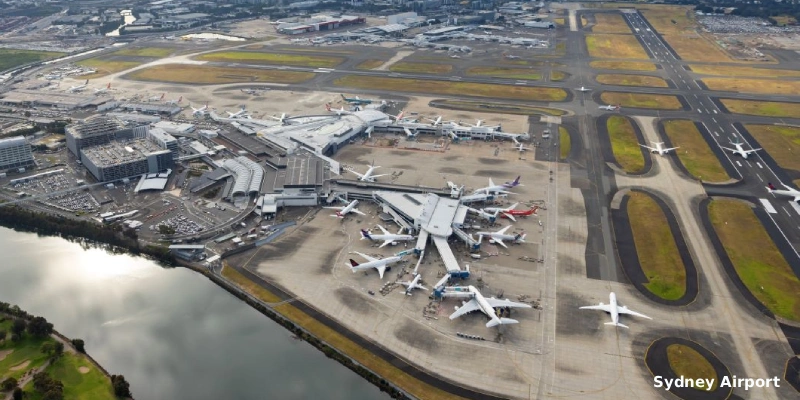
Air Traffic Controllers at High Fatigue Risk Involved in Serious Sydney Airport Near-Miss

United Begins Gate Delivery Testing for Food and Essential Items at Newark Airport
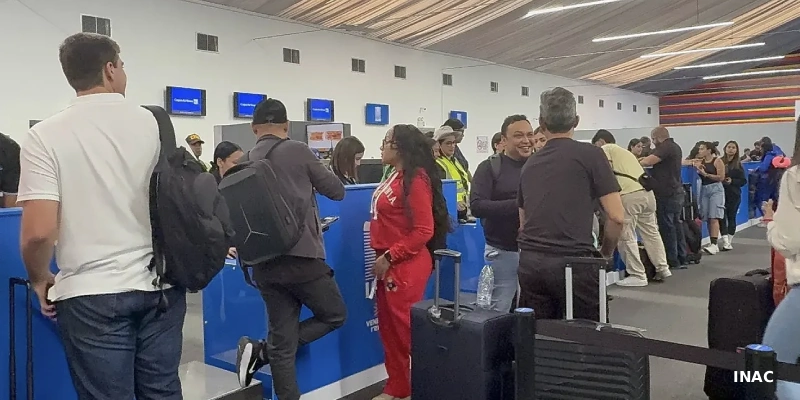
Venezuela: Maiquetía Airport Resumes Commercial Operations via Temporary Terminals

Plataforma Informativa de Aviación Comercial con 13 años de trayectoria.