Airbus Preliminary Report: Multiple Hydraulic Failure Led to Air India A320 Altitude Drop
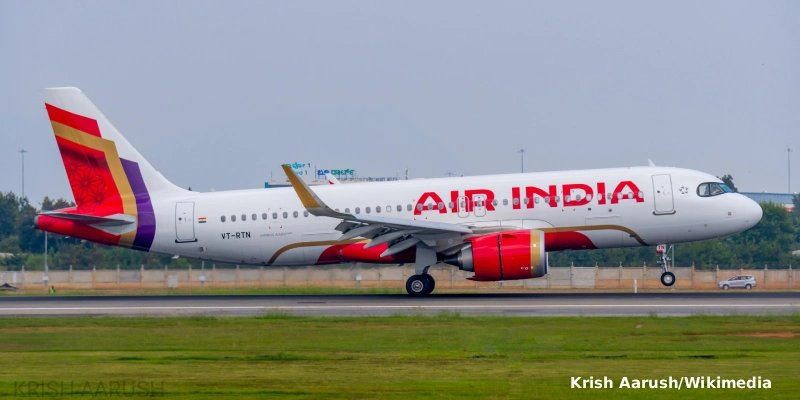




An Air India Airbus A320 suffered a sudden drop of approximately 300 feet, leaving 12 people injured onboard. The event occurred following a loss of hydraulic pressure that briefly rendered the aircraft’s primary flight controls inoperative, according to a preliminary analysis by manufacturer Airbus reviewed by Reuters.
The incident occurred on August 4 during flight AI2379, operating from Phuket, Thailand, to Indira Gandhi International Airport in New Delhi, India. Despite the sudden loss of altitude, the aircraft made a safe landing at its destination.
Simultaneous Hydraulic System Failure and Loss of Control
According to Airbus’s initial evaluation, the aircraft experienced consecutive, rapid-succession pressure losses across its three hydraulic systems, which use fluid to actuate flight controls and other vital components.
For a period of approximately four seconds, the flight crew was unable to operate the elevators (horizontal stabilizer surfaces controlling pitch) or the ailerons (wing-mounted surfaces controlling roll). During this window, the aircraft entered a pitch-up attitude.
In response, the First Officer applied full nose-down sidestick input; however, there was no direct response from the flight control surfaces until the hydraulic systems spontaneously restored a few seconds later.
To date, the preliminary report has not identified the root cause of the pressure drop across all three hydraulic circuits.
→ Air India Deploys Boeing 787-9 to Canada and Announces New Seasonal Mumbai–Toronto Route
Technical Requirements and Inspections Requested by the Manufacturer
Following these findings, Airbus requested that Air India perform a series of evaluations and corrective actions on the aircraft:
- System Testing: Operational testing and inspection of the hydraulic systems, as well as the pressure sensors and switches responsible for monitoring them.
- Component Removal: Removal of specific sensors for detailed laboratory analysis and verification of the associated electrical wiring.
- Structural Inspection: Because the abrupt change in altitude subjected the airframe to forces exceeding specified limits, the manufacturer requested a comprehensive airframe inspection to rule out potential structural damage.
- Maintenance History: A request for detailed records of all maintenance performed on the hydraulic system over the past month, along with expanded statements from the flight crew.
Event Classification and Ongoing Investigation
Air India initially attributed the event to en-route turbulence. However, in subsequent statements, the airline retracted that account, confirming that the aircraft had suffered a sudden loss of altitude.
Indian civil aviation authorities have classified the event as a serious incident. The Aircraft Accident Investigation Bureau (AAIB) is leading the official investigation, supported by technical assistance from Airbus and France’s Bureau d’Enquêtes et d’Analyses pour la Sécurité de l’Aviation Civile (BEA).
As part of the inquiry, the flight’s Captain tested positive for marijuana in a confirmatory toxicological test, according to sources familiar with the process. To date, no causal link has been established between the test result and the altitude loss. Nevertheless, Air India issued an internal memorandum announcing mandatory drug testing for its entire pilot workforce.
Operational Outlook and Management Challenges for Air India
The incident adds further pressure to Air India’s complex operational landscape as former Ethiopian Airlines CEO Tewolde Gebremariam prepares to take over as Chief Executive Officer.
The carrier is currently undergoing restructuring while confronting mounting financial losses and heightened regulatory and safety oversight following the fatal crash of one of its Boeing 787s in Ahmedabad in June 2025, which claimed 260 lives. Final findings from the AAIB and BEA are expected to determine the system failure factors on the A320 and potential operational recommendations for the fleet.
Related Topics

Boeing Delivers 53 Jets in July, Down 11 From June

FAA Orders Inspection of Hundreds of Boeing 737 MAX Aircraft Over Potential Fuselage Cracking

FAA Certifies Boeing 737-7
Somon Air Takes Delivery of First Boeing 737-8, Launching the MAX Era in Tajikistan

Plataforma Informativa de Aviación Comercial con 13 años de trayectoria.