Fewer Aircraft on Ground, Higher Bills: Engine Crisis Leaves Airlines a Multi-Million-Dollar Legacy
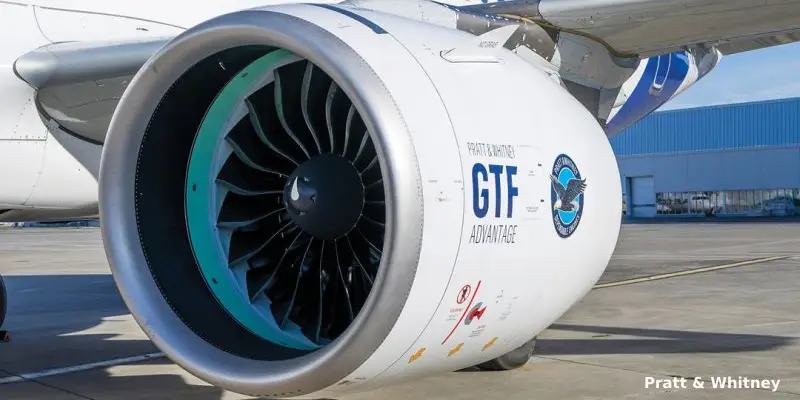




Although airlines have managed to return most of their aircraft previously grounded by engine failures to the skies, the industrial crisis leaves behind a heavy financial burden. A combination of extended lease agreements, soaring inspection costs, and supply chain bottlenecks is keeping maintenance operating expenditures at record levels globally.
From Grounded Aircraft to Financial Pressure: Maintenance Costs Skyrocket
The gradual reduction in aircraft-on-ground (AOG) events has not translated into immediate cost reductions for operators. A news analysis of U.S. Department of Transportation (DOT) data, published by Reuters, covering six major U.S. airline operations revealed that reported expenditures on engine labor, aircraft and engine repairs, and engine parts surged 68% between 2019 and 2025, while flight hours grew by only approximately 10%.
This same trend was confirmed in first-quarter DOT data, where reported spending in these categories rose 17% year-over-year, compared with an increase of less than 2% in hours flown. While maintenance spending varies depending on engine age, accumulated cycles, fleet management decisions, and shop visit schedules, the impact on balance sheets is evident.
“The fact that aircraft on the ground have decreased doesn’t change the cost of maintenance.”
— Austin Willis, Executive Chairman of Willis Lease Finance
Structural Factors Behind Escalating Costs
The surge in maintenance bills stems from a series of interconnected technical and operational complications:
- Durability Issues and Emergency Inspections: Flaws in next-generation engines and the powdered metal issue in RTX / Pratt & Whitney engines forced accelerated inspections and premature powerplant removals.
- Supply Chain Shortages: Severe bottlenecks in the availability of specialized labor, spare parts, and maintenance, repair, and overhaul (MRO) facility capacity.
- Delivery Delays: Backlogged delays from manufacturers Boeing and Airbus force airlines to keep mature aircraft in service longer, pushing them to perform major engine overhauls they had hoped to avoid.
Prolonged Impact of Lease Agreements
To maintain their flight schedules amidst groundings, airlines were forced to lease replacement engines and aircraft—an emergency measure whose costs persist over time.
- Air New Zealand: Engine issues previously left up to 20% of its fleet grounded. Chief Executive Officer Nikhil Ravishankar explained that it will take 12 to 18 months to unwind the additional leases and eliminate their associated costs, which are only partially offset by vendor compensation.
- JetBlue Airways: Reported that shop visits for certain Pratt & Whitney engines can take between 200 and 300 days, forcing the carrier to increase its number of leased engines.
- Record-High Rates: According to aviation consultancy IBA, short-term lease rates for next-generation powerplants like the CFM International LEAP and Pratt & Whitney PW1100G exceeded $6,500 per day in transactions closed over the past year, compared to roughly $5,000 per day between 2022 and 2023.
Austin Willis, CEO of Willis Lease Finance, highlighted that airlines have sought lease agreements of around three years, and short-term contracts are frequently extended—forcing carriers to continue paying lease charges even after their own engines return to service.
Aging Fleets and Steeper Spare Parts Bills
A joint analysis by consultancy Oliver Wyman and the International Air Transport Association (IATA) estimated that delays in aircraft replacements could add approximately $3.1 billion to global airline maintenance costs in 2025.
Maintaining legacy equipment entails substantial outlays. Austin Willis noted that a full overhaul of a CFM56-5B engine, used on the classic Airbus A320 family, can easily exceed $10 million.
Furthermore, deferred retirements of aging aircraft have squeezed the supply of used serviceable material (USM), driving up prices and forcing airlines to rely more heavily on new spare parts directly from original equipment manufacturers (OEMs).
Cost Structure in Modern Powerplants
- Materials Proportion: According to Sam Sargent, partner at Oliver Wyman, parts and materials account for roughly 60% of the direct cost of a single-aisle engine overhaul. Although newer powerplants offer fuel efficiency, their overhaul bills are significantly higher because they have fewer developed repair options and limited availability of used parts.
- Cost Increase Comparison: George Dimitroff, Head of Valuations at Ascend by Cirium, detailed that major maintenance and life-limited part (LLP) replacement costs for LEAP and GTF engines—which power the Airbus A320neo and Boeing 737 MAX families—have nearly doubled since 2019 compared to mature engines like the CFM56 and V2500.
Commercial Tensions Between Airlines and OEMs
Economic pressure has intensified friction between air carriers and original equipment manufacturers:
- Operators’ Stance: At IATA’s annual general meeting in June, when asked if engine manufacturers held too much pricing power and were capitalizing on shortages to overcharge, Scott Kirby, Chief Executive Officer of United Airlines, replied: “Yes and yes.” Recent financial reports from United Airlines and American Airlines reflect higher first-half maintenance costs, driven in part by major engine overhauls.
- Manufacturers’ Response: Industry executives argue that developing new technology requires billions of dollars in investment and that manufacturers typically sell engines at steep upfront discounts, recovering that investment over time through spare parts and maintenance services.
- Safran: Chief Executive Officer Olivier Andriès stated that price increases for spare parts and repairs should remain moderate and reflect higher supplier costs rather than an abusive market position.
- GE Aerospace: Chief Executive Officer Larry Culp indicated that LEAP-related groundings have fallen to near-zero levels as they deploy upgraded parts designed to extend powerplant time-on-wing.
- RTX / Pratt & Whitney: The company reported that groundings linked to its GTF engines dropped by 25% in the first half. In the second quarter, PW1100G repair output increased 43% year-over-year, and turnaround times fell by 23%, although heavy work scopes exceeded the previous year’s volume by 14 percentage points.
Despite the gradual normalization of operations and reduced numbers of grounded aircraft, financial relief for airlines will take time to materialize.
Related Topics
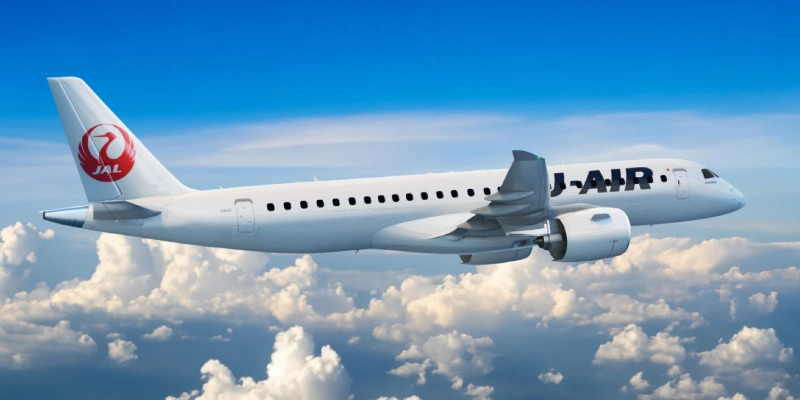
Japan Airlines Selects Embraer E190-E2 to Renew J-AIR Regional Fleet
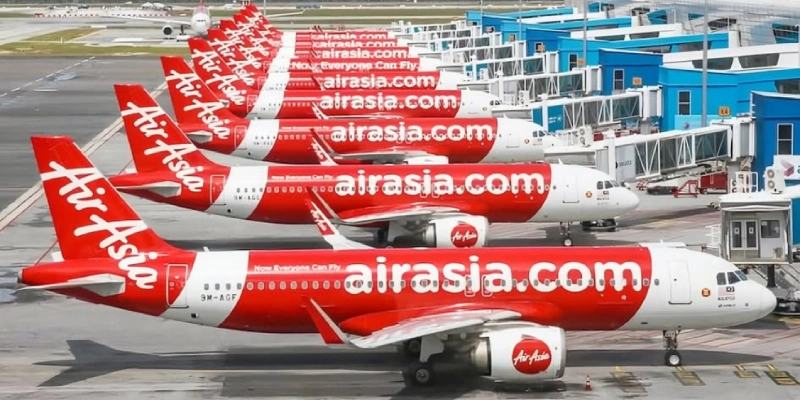
AirAsia in Talks with Malaysian Government Over Potential Financial Support Amid Economic Headwinds and Soaring Fuel Costs
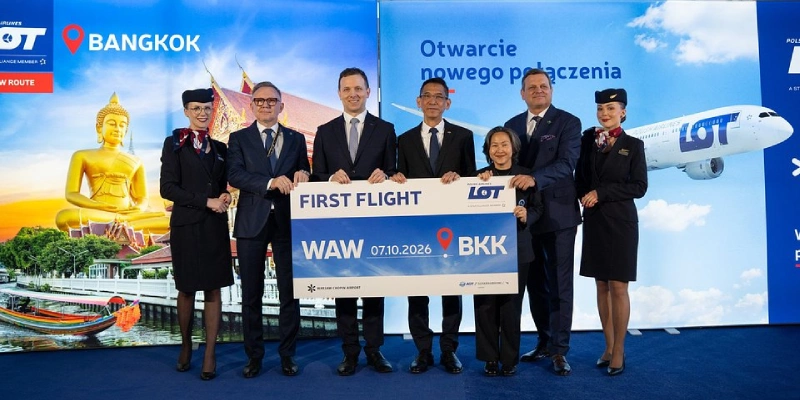
LOT Polish Airlines Launches Direct Flights Between Warsaw and Bangkok
Lufthansa Group Boosts Connectivity to Japan, Reaching Up to 50 Weekly Flights in Summer 2027

Plataforma Informativa de Aviación Comercial con 13 años de trayectoria.