

Dubai International Airport recorded a 31.3% contraction in passenger flow during the first half of the year. Severe operational disruptions and airspace restrictions triggered by the war in Iran have hammered Gulf connectivity and reshaped global flight itineraries.
Operational Impact and H1 Statistics
Airport operator Dubai Airports confirmed that Dubai International Airport handled 13 million passengers during the second quarter, bringing the first-half total to 31.5 million. This represents a 31.3% decline compared to the 46 million passengers processed over the same period last year.
On the airfield, aircraft movements totaled 150,600 operations between January and June, marking a 32.1% year-over-year decrease.
→ Chinese Firms Lead Shortlist for Ethiopian Airlines’ New Mega-Airport in Addis Ababa
Disruptive Factors: Geopolitics and Jet Fuel Costs
The armed conflict that erupted on February 28 destabilized international commercial aviation. The closure and alteration of key flight corridors forced airlines into widespread route cancellations, reschedulings, and diversions.
Beyond regional logistics in the Gulf, the crisis strained global industry profitability due to a sharp surge in jet fuel prices.
Middle Eastern carriers saw their global networks heavily disrupted. However, capacity has gradually begun to recover. Emirates President Tim Clark noted last month that the airline had already restored operations to 90% of its capacity.
Resilience and Dubai Airports’ Outlook
Prior to the outbreak of hostilities in February, Dubai Airports had projected full-year traffic to reach nearly 100 million passengers. Despite revised forecasts, the managing authority highlighted the hub’s resilience, ongoing strategic capital investments, and the progressive recovery of commercial capacity.
“The steady return of international carriers, improved connectivity, and strengthening load factors point to resilient demand across key markets and rising confidence heading into DXB’s traditionally busier second half,” the airport operator stated.
A full traffic recovery at Dubai International Airport will hinge on the stabilization of the regional geopolitical landscape, the complete reinstatement of routes by long-haul operators, and the normalization of jet fuel prices through the second half of the year.
Related Topics
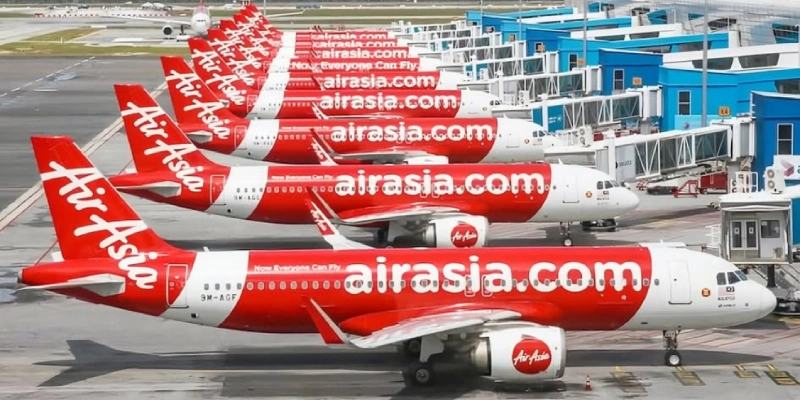
AirAsia in Talks with Malaysian Government Over Potential Financial Support Amid Economic Headwinds and Soaring Fuel Costs

LOT Polish Airlines Launches Direct Flights Between Warsaw and Bangkok
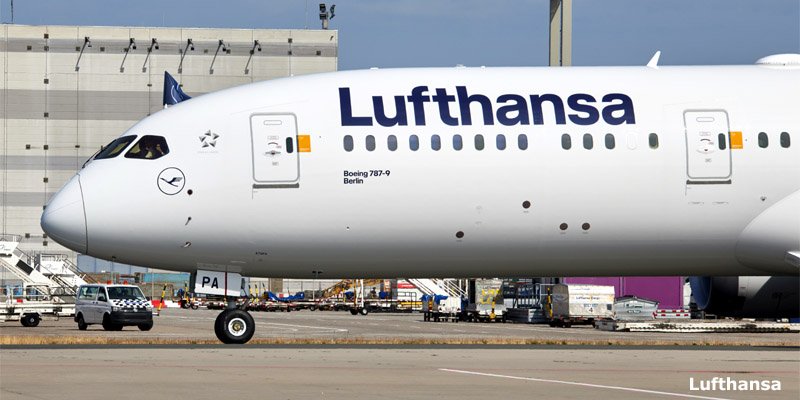
Lufthansa Group Boosts Connectivity to Japan, Reaching Up to 50 Weekly Flights in Summer 2027

Thai Airways Cuts Flights and Faces Baggage Handling Collapse Following Severe Bangkok Flooding


Un apasionado por la aviación, Fundador y CEO de Aviación al Día.