Laptop Catches Fire Onboard American Airlines Flight, Passenger Receives Medical Attention
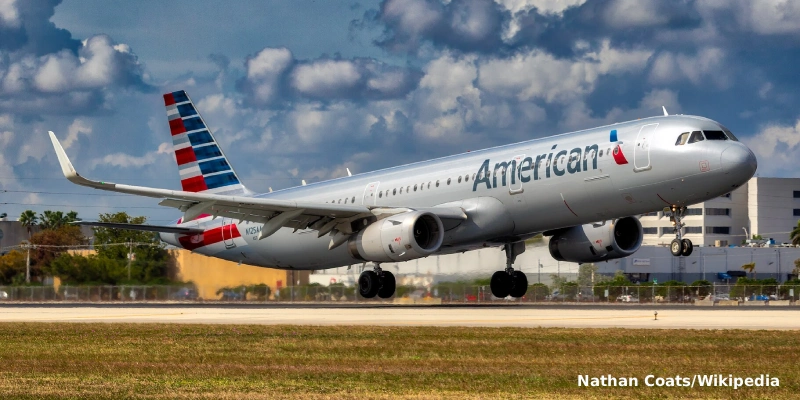




A laptop computer suffered thermal runaway and caught fire last Friday aboard an American Airlines flight operating between Hartsfield-Jackson Atlanta International Airport and Dallas/Fort Worth. The incident left at least one passenger injured, according to confirmation from the Federal Aviation Administration (FAA).
The aircraft involved, an Airbus A321 carrying 133 people, landed safely in Dallas at 6:55 p.m. local time after flight attendants contained the emergency using a thermal containment bag, specialized equipment designed to suppress smoke, heat, and flames.
Crew Response and Ground Attention
According to air traffic control audio, one of the pilots notified controllers of a fire in the aft passenger cabin and initially estimated that four to five passengers may have sustained burn injuries.
Upon arrival at Dallas/Fort Worth International Airport, the aircraft was immediately met by emergency service personnel on the taxiway. An airline spokesperson confirmed that one passenger received medical treatment at the scene before being released.
The FAA has initiated a formal investigation to determine the cause of the incident.
Risks Associated with Lithium-Ion Batteries in Commercial Aviation
Lithium-ion batteries, commonly used in laptops, smartphones, and smartwatches, present a persistent operational hazard due to their susceptibility to thermal runaway—a process capable of triggering severe overheating and fires.
Globally, aviation regulators and airlines have implemented strict limitations on transporting these devices:
- Checked Baggage: In the United States, lithium batteries are generally prohibited in the cargo hold unless the devices containing them are powered down completely.
- Spare Batteries and Power Banks: Uninstalled lithium-ion batteries and power banks are strictly forbidden in checked luggage and may only be carried inside the passenger cabin as carry-on baggage.
FAA Statistics on In-Flight Thermal Events
Incidents involving personal electronic devices have maintained a steady presence in commercial aviation. Year-to-date through mid-August, the FAA has verified 58 incidents across passenger and cargo flights where lithium batteries caused smoke, fire, or extreme heat.
The majority of these events involved external battery packs, with a small percentage forcing flight crews to execute emergency diversions to alternate airports.
This event underscores the effectiveness of onboard safety protocols and containment equipment during lithium battery fire emergencies. As the FAA proceeds with its investigation, the incident re-examines cabin luggage regulations and in-flight electronic device monitoring.
Related Topics

Air France to Relocate Operations to JFK’s New Terminal One, Unveiling a 29,000-Square-Foot Flagship Lounge

Panama to Boost Tocumen International Airport Capacity with $306.75 Million Investment
Air Traffic Controllers at High Fatigue Risk Involved in Serious Sydney Airport Near-Miss

United Begins Gate Delivery Testing for Food and Essential Items at Newark Airport

Plataforma Informativa de Aviación Comercial con 13 años de trayectoria.