Qantas to Advance Airbus A380 Fleet Retirement to Mid-2028
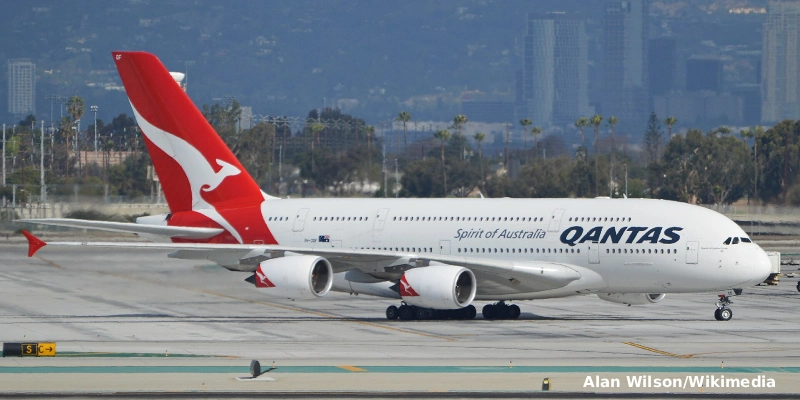




Qantas Airways has announced it will begin phasing out its fleet of ten Airbus A380 superjumbos starting in mid-2028, four years earlier than originally scheduled. The decision comes in response to escalating maintenance costs, supply chain bottlenecks, and the integration of more efficient, next-generation aircraft into its long-haul fleet.
Costly Maintenance and Supply Chain Pressures
Qantas International and Freight CEO Cam Wallace informed analysts that keeping the A380 fleet operational has become increasingly expensive and complex. This operational headwind stems primarily from Airbus ending production of the type in 2021, which triggered severe constraints across the global supply chain for spare parts and components.
Accelerating the superjumbo’s retirement will generate a net cash flow benefit of approximately A$300 million ($215.34 million) for the carrier between FY2028 and FY2031, largely driven by avoided heavy maintenance expenditure.
During the COVID-19 pandemic, the Australian flag carrier grounded its A380 fleet for more than 500 days following the collapse of international air travel, storing the aircraft long-term at desert facilities in California (United States) and Abu Dhabi (United Arab Emirates).
The Airbus A380 in Commercial Aviation Context
The Airbus A380—a quad-engine, double-deck aircraft capable of seating up to 853 passengers—was developed by the European airframer to challenge the Boeing 747 in the long-haul market. The type entered commercial service in 2007 with launch customer Singapore Airlines.
Airbus delivered a total of 251 A380 units before winding down production in 2021, a move triggered by order cancellations from its largest customer, Emirates.
Key Drivers Behind the Type’s Decline
- High Operating Costs: Elevated fuel burn and high airframe maintenance expenses.
- Demand Bottlenecks: Difficulty in consistently filling 500+ seat configurations outside major Gulf hub routes.
- Competition from Efficient Twinjets: The rapid adoption of modern widebody twinjets such as the Boeing 787 and Airbus A350.
- Pandemic Fallout: The prolonged collapse in long-haul international travel accelerated retirement timelines across multiple operators.
Out of the 251 aircraft delivered worldwide, 196 remain in active service as of July, according to Airbus data.
Global Operator Outlook and Superjumbo Retirements
Airlines That Have Retired or Plan to Phase Out the A380
- Air France: Retired its 10-aircraft fleet in 2020, bringing forward its initial 2022 timeline due to the pandemic.
- China Southern Airlines: Phased out its 5 aircraft in late 2022 after keeping them active through most of the pandemic.
- Malaysia Airlines: Completed the retirement of its 6 A380s in 2023.
- Thai Airways: Retired its 6 aircraft in 2020.
- Qantas Airways: Will begin a phased retirement of its 10 units starting in mid-2028.
Active Operators of the Type
- Emirates: Remains the world’s largest A380 operator with 116 aircraft, accounting for nearly half of total production. The Gulf carrier plans to fly the type well into the 2040s.
- Singapore Airlines and British Airways: Operate 12 aircraft each, making them the largest operators outside of Emirates.
- Lufthansa, Qatar Airways, and Etihad Airways: Fleet counts stand at 8 aircraft each.
- Other Active Operators: Korean Air, Asiana Airlines, and All Nippon Airways (ANA).
While Emirates intends to keep the superjumbo flying into the 2040s, most global operators project a complete exit of the double-deck type by the early 2030s, underscoring the commercial aviation industry’s decisive shift toward high-efficiency twin-engine widebodies.
Related Topics
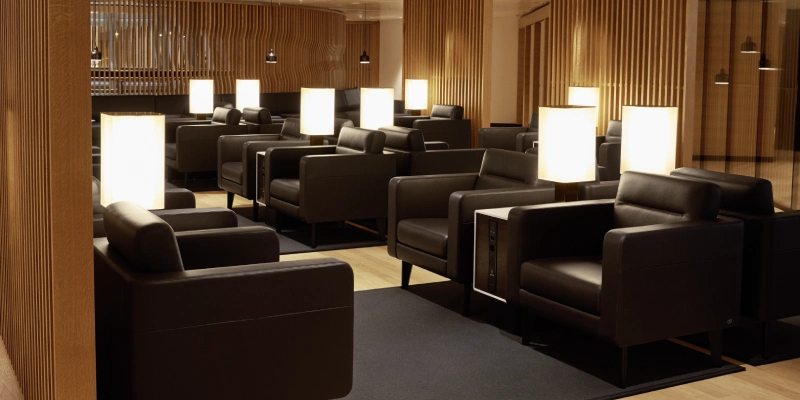
SWISS to Elevate Premium Experience at Zurich Airport with New Lounges by 2027

Massive Cyberattack Hits Manchester Airports Group, Compromising Data of 8.7 Million Users Across Three UK Airports
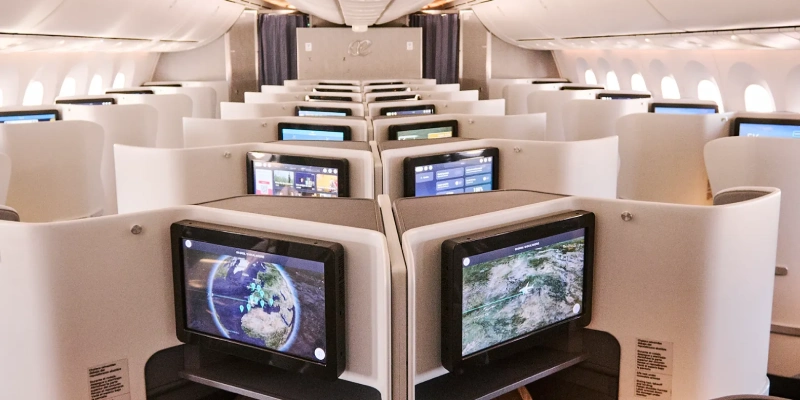
Air Europa Enhances Long-Haul Experience with Major Updates Under “Air Europa ON” Program

Airbus Workers in Spain Launch Indefinite Strike
Plataforma Informativa de Aviación Comercial con 13 años de trayectoria.