Aerocivil, Airbus, and Avianca Sign Technical Alliance to Enhance Airspace Safety Redesign in Bogotá
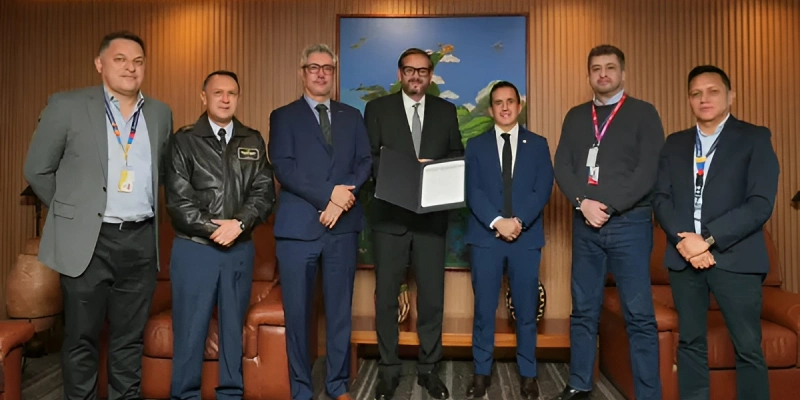




Colombia’s Special Administrative Unit of Civil Aeronautics (Aerocivil) has formalized a technical cooperation agreement with aerospace manufacturer Airbus and flag carrier Avianca. The partnership aims to conduct operational safety assessments for the comprehensive redesign of Bogotá’s airspace, ensuring that every new flight route and instrument procedure undergoes rigorous evaluation prior to operational implementation.
Strategic Cooperation Amid Capital Airspace Complexity
The announcement was made during a high-level working session led by the Director General of Aerocivil, Arnaud Penent D’Izarn; the President of Airbus in Colombia, Fernando Caro; and representatives from Avianca.
Colombia’s capital presents an exceptionally complex operating environment driven by two critical operational factors:
- A growing volume of domestic and international traffic.
- Operations constrained by surrounding mountainous terrain and dynamic, rapidly shifting weather patterns.
Under these operating conditions, any structural change to the terminal airspace architecture requires a comprehensive assessment of the entire air navigation system’s performance.
Risk Assessment Under ICAO Standards
The safety assessments outlined in the technical agreement will focus primarily on hazard identification, risk assessment, and the development of mitigation measures in strict compliance with International Civil Aviation Organization (ICAO) standards and recommended practices.
To support this process, the analyses will evaluate key operational variables:
- Current and projected air traffic flows.
- Workload demands on both air traffic controllers (ATCOs) and flight deck crews.
Roles, Knowledge Transfer, and Future Scope
The partnership leverages the specialized expertise of each stakeholder:
- Airbus will provide advanced technical capabilities and safety engineering expertise.
- Avianca will contribute operational insights from its frontline commercial flight operations.
- The framework will include the transfer of methodologies, analytical tools, and industry best practices designed to strengthen the civil aviation authority’s overall airspace management capabilities.
Importantly, all studies and deliverables generated under this agreement will serve an advisory function. Aerocivil retains sole regulatory authority and legal jurisdiction to adopt, modify, or reject any resulting recommendations, as well as to determine the final timeline and implementation of the revised airspace structure.
Additionally, the parties noted that a potential second phase of this technical cooperation framework could be expanded to cover the Medellín terminal area.
2026–2030 Roadmap: Sustainability, Satellite Technology, and Training
During the session, Aerocivil and Airbus also advanced discussions on a joint bilateral roadmap covering the 2026–2030 timeframe. This strategic agenda will be executed through specialized technical working groups structured around four core pillars:
- Aircraft maintenance and engineering.
- Workforce training and professional development.
- Sustainable aviation fuels (SAF).
- Development of space-based and satellite-navigation capabilities.
Through these technical, inter-agency initiatives, Colombia’s civil aviation authority continues to modernize its operational and technological infrastructure, reinforcing a safe, resilient, and efficient air transport system across the country.
Related Topics
Japan Airlines Selects Embraer E190-E2 to Renew J-AIR Regional Fleet
AirAsia in Talks with Malaysian Government Over Potential Financial Support Amid Economic Headwinds and Soaring Fuel Costs
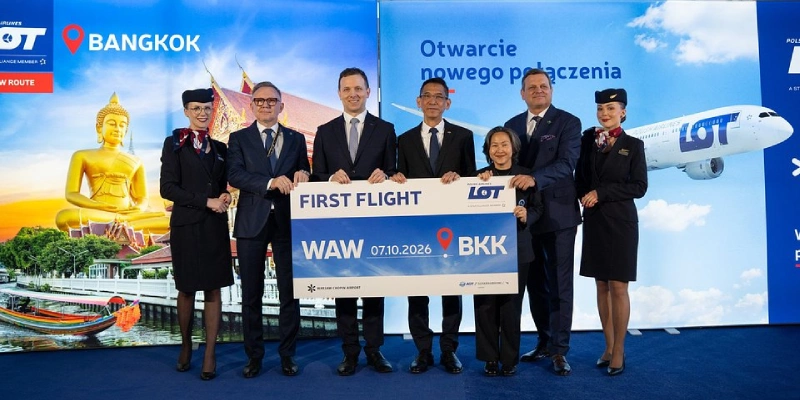
LOT Polish Airlines Launches Direct Flights Between Warsaw and Bangkok
Lufthansa Group Boosts Connectivity to Japan, Reaching Up to 50 Weekly Flights in Summer 2027
Plataforma Informativa de Aviación Comercial con 13 años de trayectoria.