AirAsia in Talks with Malaysian Government Over Potential Financial Support Amid Economic Headwinds and Soaring Fuel Costs
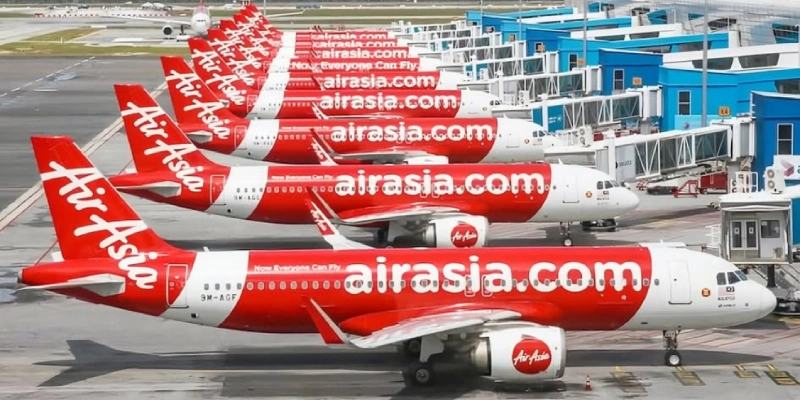




AirAsia co-founder Tony Fernandes has held meetings with Malaysia’s Ministry of Finance amid growing state concerns over the financial viability of Southeast Asia’s largest low-cost carrier, which has been severely hit by surging aviation fuel prices, Reuters reported. The talks come as the airline pushes ahead with a $1 billion debt refinancing plan to tackle its mounting current liabilities.
Negotiations Under Scrutiny: State Backing and Conditions Under Debate
According to three sources familiar with the matter, the talks took place two weeks ago and focused on the possibility of the government backing AirAsia’s fundraising initiatives. According to two of the people consulted, such support would be conditional on the carrier agreeing to a series of proposed terms currently under discussion, the details of which could not be immediately determined.
Representatives from Alton Aviation Consultancy—a firm previously engaged by the Ministry of Finance to assess the loss-making airline’s funding requirements—also attended the meetings. While the finance ministry declined to comment, the consulting firm did not respond to requests for information.
For his part, Malaysian Transport Minister Anthony Loke told a press conference that neither he nor officials from his ministry had met with AirAsia over the past two to three weeks. However, Loke noted that the airline may have held discussions with the Ministry of Finance, stating that carriers of this scale engage in regular dialogue with government authorities.
→ AirAsia Announces Its First Codeshare Partnership with Pegasus Airlines
Tony Fernandes’ Position: Operating Costs Versus Financial Assistance
In exclusive statements to Reuters, Tony Fernandes, who serves as co-founder and adviser to the company, confirmed that he requested and held meetings with officials from the finance and transport ministries during the week of September 28. However, the executive sought to clarify the nature of the talks:
- Focus on industry costs: Fernandes stated that discussions did not center on financial assistance, but rather on broader sector costs such as airport charges and jet fuel.
- Denial of bailout need: The executive expressed 100% confidence that AirAsia can navigate the current headwinds without state aid, as it did during the health crisis, underscoring that the government had neither raised liquidity concerns nor offered an aid package.
- Openness to potential support: Despite dismissing formal bailout talks, Fernandes conceded that the airline would not turn down financial support should it be offered by governments across its operating markets, including Malaysia, Thailand, and Indonesia.
- Preference for domestic financing: The executive acknowledged having previously sought government assistance to facilitate local-currency loans with Malaysian banks, aiming to avoid foreign-currency debt exposure while securing more favorable interest rates and terms.
Balance Sheet Pressures: Jet Fuel Fallout and Systemic Risk
Government concern stems from the airline’s critical role in the country’s aviation ecosystem, where it controls roughly 60% of the domestic passenger market and employs a 26,000-strong workforce. Authorities fear the knock-on effects that further deterioration would have on connectivity, tourism, and state-linked entities such as airport operator Malaysia Airports Holdings Berhad.
This scenario has gained traction following reports that the government sounded out Malaysia Airlines and Batik Air last month on whether they would have the capacity to absorb AirAsia’s market share under contingency planning scenarios.
Key factors straining the carrier’s financial structure include:
- Surging aviation fuel prices: Jet fuel costs spiked 66% quarter-on-quarter in the second quarter, averaging $183 per barrel against the backdrop of the conflict involving the United States, Israel, and Iran.
- Operating and foreign exchange losses: AirAsia posted a net loss of 831 million ringgit ($204 million) for the quarter ended June 30, impacted by high fuel expenses alongside foreign exchange losses of 331 million ringgit.
- Liquidity mismatch: As of June 30, the airline held cash and bank balances of 954 million ringgit ($233.65 million) against current liabilities of 18.4 billion ringgit.
- Market reaction: Shares in the company were trading down 5% on Monday, extending a year-to-date decline of more than 70%.
Outlook and Financial Roadmap
At an internal town hall held on September 28 at the airline’s headquarters, Fernandes projected confidence to staff, maintaining that the carrier will weather the current turbulence and emphasizing that, unlike during the Coronavirus crisis, the fleet is fully operational today.
AirAsia’s strategic roadmap involves raising up to $1 billion across international debt markets, alongside 700 million ringgit in local credit facilities, aimed primarily at refinancing maturing debt obligations. Fernandes expects to finalize the international debt placement between December and February, allocating half the proceeds to refinance high-cost debt and the remainder to working capital and settling extended payables.
Looking ahead to the next twelve months, the airline has budgeted operations under a sustained high-oil environment with passenger load factors above 80%, though Fernandes cautioned that jet fuel prices exceeding $200 per barrel remain untested in the market and could trigger severe passenger demand destruction.
Related Topics
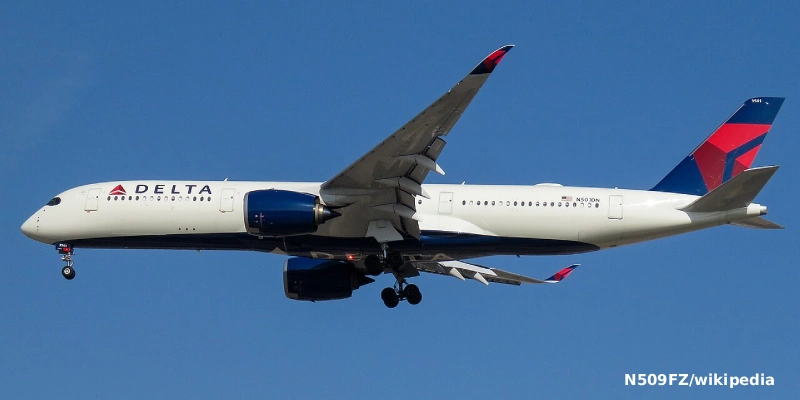
Delta Postpones Launch of Direct Atlanta–Riyadh Flights to March 2027

Avianca Flight from Medellin to New York Diverts to Miami Due to Severe Turbulence; At Least Eight Hospitalized
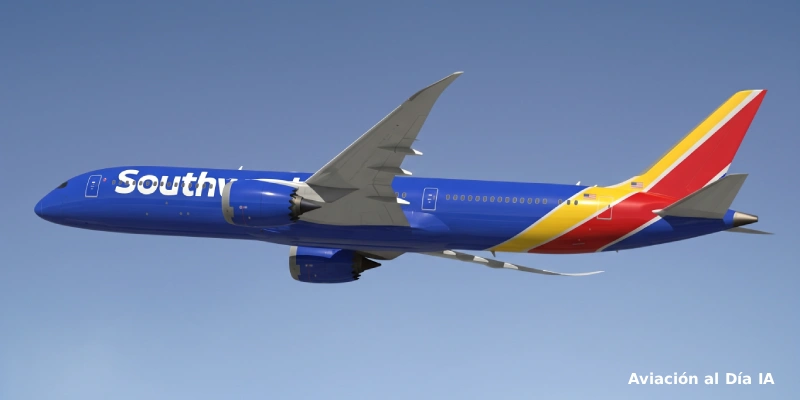
Southwest Airlines Evaluates Widebody Aircraft, Eyes Boeing 787

Air France to Expand US Network with New Direct Flights to Nashville and San Diego for Summer 2027

Plataforma Informativa de Aviación Comercial con 13 años de trayectoria.