

The International Air Transport Association (IATA) has released the findings of its 2026 Global Passenger Survey (GPS). The report highlights three major trends shaping passenger behavior and expectations: the mainstream adoption of biometric systems alongside growing demand for digital passports, the breakthrough of Artificial Intelligence (AI) as a core trip-planning tool, and mounting immigration barriers imposed by governments.
Nick Careen, IATA’s Senior Vice President for Operations, Safety, and Security, noted:
“Passengers are embracing technology to make travel easier. AI is becoming a routine tool for planning itineraries, while biometrics and digital identity are creating a faster, smoother airport experience. However, many travelers continue to encounter roadblocks due to complex immigration and visa processes. Governments can help by streamlining entry requirements, eliminating redundant checks, and accelerating the issuance and acceptance of secure digital travel credentials.”
Biometrics Gain Ground as Demand for Digital Passports Rises
The journey through airport terminals is becoming increasingly digital. According to 2026 GPS data:
- 58% of passengers used biometric systems at airports over the past 12 months, up from 50% in 2025 and reflecting a 24-percentage-point increase since 2022.
- Satisfaction among those using these tools hit a record 87% (up one percentage point from 2025).
- 78% of respondents said they are willing to share biometric data if it allows them to bypass physical passports or boarding passes at checkpoints. Within this group, 75% prefer a single pre-enrollment process for automated recognition throughout the airport journey.
→ IATA, CANSO, and ACI Join Forces in Global Initiative to Mitigate Runway Incursions
At the same time, Digital Travel Credentials (DTCs) or digital passports are generating strong commercial and operational interest:
- 84% want to use them for online check-in instead of physical documents.
- 82% are willing to share them with airlines during booking (post-payment) if it enables tailored services, such as visa requirement updates.
- 82% express interest in integrating a digital wallet, digital passport, and frequent flyer cards on their smartphones to book, pay, and navigate departure and arrival touchpoints.
Despite this momentum, data privacy remains a critical hurdle: passenger concerns center on data breaches (59%), data sharing with third parties (49%), and a lack of transparency regarding how personal data is handled (41%).
Artificial Intelligence Transforms Flight Planning
AI has shifted from a novelty to an essential part of the travel experience: nearly half of all global passengers (49%) turned to AI tools to plan their trips.
Among the top use cases documented by IATA:
- Searching for flights to a specific destination: 21% (the most common use).
- Finding the lowest fares: 19%.
- Gathering destination inspiration: 17%.
Careen underscored the commercial opportunity this presents: “People are using AI to plan their travel. It is vital that airlines not only ensure their offers surface within these AI environments, but also build seamless pathways to convert a conversation into a confirmed booking.”
Immigration Red Tape: A Growing Bottleneck in the Digital Era
The survey reveals a stark divide: while passenger-facing digital infrastructure advances, government entry requirements are dampening international mobility. Overall, 43% of respondents reported abandoning travel plans to a destination due to visa or immigration hurdles—a sharp increase from the 33% recorded in 2025.
Among those who decided against traveling for these reasons, 53% cited overly complex processes, far outweighing concerns over cost (17%) or privacy (17%). Meanwhile, among travelers deterred by geopolitical conflicts, personal safety was the primary factor (72%), followed by travel disruption and feasibility concerns (13%).
Faced with these friction points, passenger demand for standardized, off-airport immigration processing is clear:
- 86% are willing to submit immigration data digitally ahead of departure to expedite processing.
- 45% prefer to complete immigration procedures before arriving at the terminal.
- 60% favor applying for visas online, compared to just 25% who prefer in-person appointments at consulates or embassies.
Careen stressed the need for global standards in this space: “More than 100 countries issue eVisas, but there is virtually no consistency in how they are verified. The tools to solve this already exist, and governments must adopt them.”
Regional Outlook: Contrasts in Tech Adoption and Satisfaction
The report outlines distinct regional variations in passenger behavior and sentiment:
- Latin America and the Caribbean: Logged the largest year-over-year gain in overall satisfaction (85%, up 5 percentage points from 2025). Travelers here are among the most inclined to clear immigration off-airport, with 81% willing to submit advance travel data. However, biometric adoption lags behind the global average at 51%, and the region leads globally in privacy concerns regarding data handling and transfers.
- North America: Boasts the highest biometric adoption rate (63%), yet also registers the greatest apprehension regarding data breaches and lack of procedural transparency. It is also the region least deterred by immigration barriers (35%).
- Middle East: Leads globally in AI-driven travel planning (72%), digital passport adoption for check-in (91%), and satisfaction among biometric users. Among travelers deterred by visa requirements, cost is cited more frequently than in any other region, though process complexity remains the primary deterrent.
- Asia-Pacific: Leads overall air travel satisfaction globally at 90% and ranks second in willingness to use biometrics (81%), though cybersecurity concerns remain prevalent.
- Africa: Reports high overall satisfaction (89%) and strong enthusiasm for digital solutions (87% interest in digital passports). However, African travelers are the most deterred globally by border requirements (52%), with process complexity and cost serving as major barriers.
- Europe: Records the lowest overall satisfaction rate (84%) and remains the most conservative market toward digital innovations: both AI adoption (35%) and biometric usage (47%) sit well below the global average.
The airline industry’s push toward a seamless, frictionless journey now rests on solving two opposing challenges: strengthening cybersecurity and data governance frameworks to build trust in biometric and AI tools, while urging governments to harmonize border requirements through the official adoption of Digital Travel Credentials and standardized eVisa verification protocols.
Related Topics

United Airlines Unveils New Terminal B North Concourse at Houston Bush Intercontinental Airport
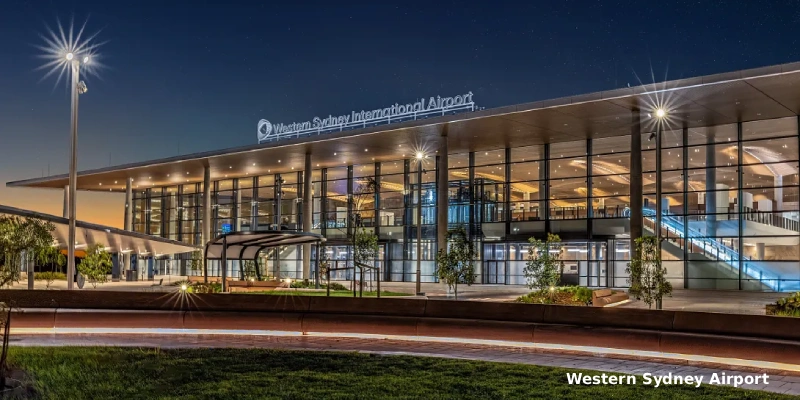
Qatar Airways to Launch Flights to New Western Sydney International Airport Starting in 2027
Sydney Opens Second Airport Amid Sluggish Initial Flight Volumes

Panama: Tocumen Airport Surpasses 17.8 Million Passengers Between January and September 2026


Plataforma Informativa de Aviación Comercial con 13 años de trayectoria.