ATR Commemorates 45th Anniversary with Over 1,750 Deliveries and a Vital Footprint in Regional Connectivity
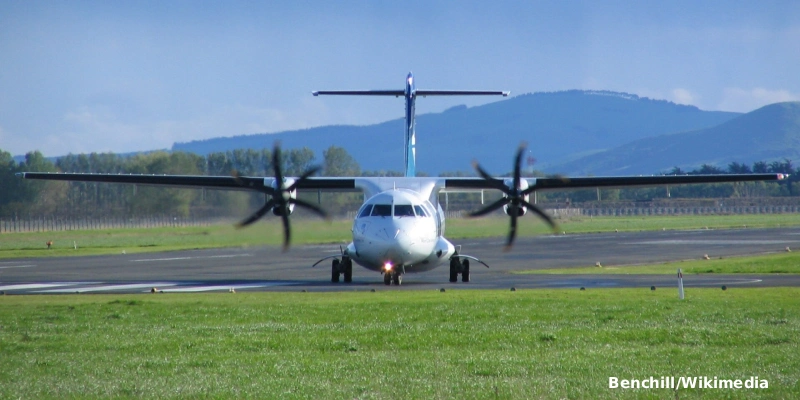




Founded on November 4, 1981, as a joint venture between European airframers Aérospatiale and Aeritalia, ATR marks four and a half decades of operation, having vastly exceeded the industry’s original forecasts. With more than 1,950 aircraft sold and the largest active turboprop fleet worldwide, the consortium solidifies its operational viability while charting its technological course toward decarbonization.
From a 400-Unit Forecast to Turboprop Market Leadership
In the early 1980s, market forecasts projected a global demand of approximately 400 regional aircraft by the year 2000. In response to these projections, two pioneers in the European aerospace sector—Aérospatiale (now Airbus) and Aeritalia (now integrated into Leonardo)—pooled their engineering resources to develop a purpose-built platform engineered to connect secondary markets efficiently, reliably, and cost-effectively.
Forty-five years after that initial partnership, the airframer employs a 1,400-strong workforce and boasts a commercial order book that has reshaped the regional aviation segment:
- Gross Sales: Over 1,950 aircraft commercialized globally.
- Completed Deliveries: More than 1,750 airframes entered into revenue service.
- Active Fleet: Sustained operational support for the world’s largest regional turboprop fleet.
→ Air Tahiti Takes Delivery of Its First All-Business Class ATR 72-600
Operational Solutions in Harsh Operating Environments and Niche Markets
Rather than optimizing the platform for maximum cruise speed or cabin size, the manufacturer focused its engineering strategy on short-haul route profitability where larger regional jets are economically unviable. This design philosophy has allowed the type to establish robust operations in extreme and underserved operating environments:
- India: In a nation of nearly 1.5 billion people, these turboprops connect Tier-2 and Tier-3 cities to primary economic hubs, facilitating mobility and essential connectivity.
- Canada (Nunavut Territory): Across nearly two million square kilometers populated by roughly 40,000 residents without highway or rail infrastructure, the aircraft operate routinely on gravel and ice runways to transport food supplies, equipment, and essential medical cargo.
- French Polynesia: Operators like Air Tahiti leverage the aircraft’s versatility, operating sectors ranging from a 15-minute island hop between Papeete and Moorea to 3-hour-and-45-minute overwater sectors across the Pacific Ocean between Papeete and Totegegie.
- Diverse Operator Base: The operational fleet serves carriers ranging from single-aircraft boutique operators to regional airlines with fleets exceeding 70 frames, spanning Asia-Pacific archipelagos to hub-and-spoke feed operations in Europe, Africa, and Latin America.
Revitalization Potential in the United States Market
The ongoing consolidation of airline traffic around major hub-and-spoke networks in the United States has led to the loss of more than 800 regional point-to-point routes over the past two decades. As regional connectivity erodes in secondary communities, ATR projects an addressable market potential of approximately 300 aircraft to restore thin, direct point-to-point links.
Four Decades of Fleet Evolution: From the ATR 42 to the PW127XT Powerplant
The current product lineup reflects continuous production-line block improvements out of the final assembly line in Toulouse:
- ATR 42: Designated by its initial nominal seating capacity, the prototype completed its maiden flight at Toulouse-Blagnac on August 16, 1984, entering commercial service a year later with launch customer Air Littoral.
- ATR 72: Launched formally in 1986 to meet market demand for higher capacity, the stretched variant performed its first flight in October 1988 and entered scheduled service in 1989 with Karair, a subsidiary of Finnair.
- -500 Series (1995): Introduced uprated Pratt & Whitney powerplants, six-bladed propellers, and significant cabin acoustics and comfort upgrades.
- -600 Series (2011): Marked a comprehensive avionics upgrade featuring integrated modular avionics (IMA), modernized flight guidance systems, and an ergonomically redesigned glass cockpit and passenger cabin.
Fuel Efficiency and Operating Economics Over Regional Jets
Currently, airframes rolling off the Toulouse assembly line are powered by next-generation Pratt & Whitney Canada PW127XT engines. On typical regional stages, an ATR 72-600 burns up to 45% less fuel than comparably sized regional jets (RJs), yielding immediate direct operating cost (DOC) and emissions reductions on low-to-medium-density thin routes.
Road Ahead: Investing in the EVO Concept and Decarbonization
To align with commercial aviation’s net-zero sustainability commitments, the manufacturer is channeling R&D resources into alternative propulsion and fleet modernization programs. Through its ATR EVO technology roadmap and involvement in European research programs such as Clean Aviation, the consortium aims to continually reduce the carbon footprint of regional flying while preserving the unit economics required to keep remote communities connected.
Related Topics

IndiGo in Talks to Acquire Up to 150 Regional Jets from Embraer to Boost Domestic Network
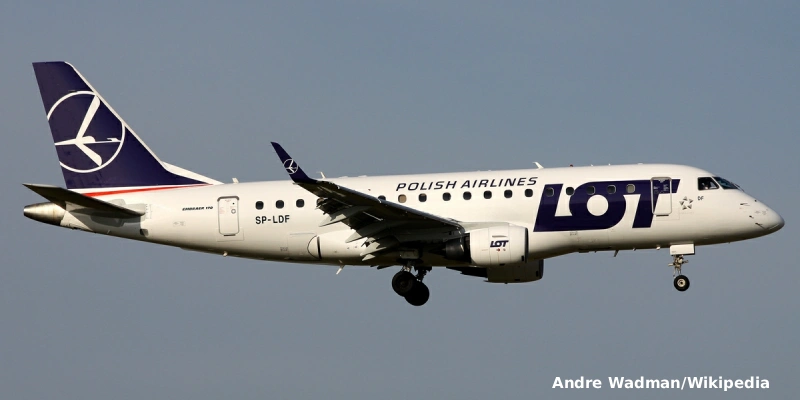
LOT Retires the Embraer E170: Launch Customer Operates Final Flight After More Than Two Decades

Embraer Backlog Reaches Record High of $35.7 Billion in Third Quarter of 2026
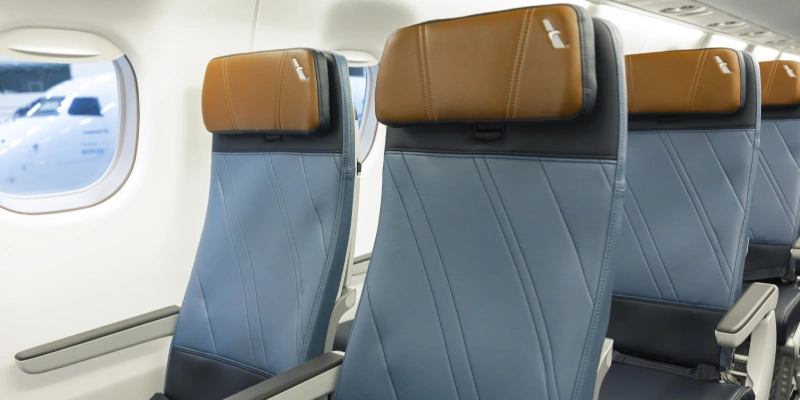
Embraer Delivers First E175 Equipped with Next-Gen RECARO Seats to American Airlines

Un apasionado por la aviación, Fundador y CEO de Aviación al Día.