FAA to Invest $6 Billion to Modernize Air Traffic Control Telecommunications and Radar Systems





The Federal Aviation Administration (FAA) announced a new and ambitious financial commitment to renew key infrastructure within the air traffic control system. The plan aims to resolve technological problems accumulated over years and to accelerate a modernization effort that has suffered delays, operational failures, and growing criticism from Congress and the aviation sector.
A Major Investment with a Defined Deadline
FAA Administrator Bryan Bedford confirmed that the agency will allocate 6 billion dollars before the end of the year to bolster air traffic control telecommunications and radar surveillance systems. These resources will enable the deployment of the new infrastructure no later than 2028, a much tighter schedule than previous plans.
This effort is part of a broader reform. Congress has already approved 12.5 billion dollars to update a system considered obsolete, while the U.S. administration is seeking another 19 billion dollars or more to complete the comprehensive transformation of air traffic control.
Recurrent Failures and Political Pressure
Technological limitations have caused serious incidents. The FAA’s telecommunications system has experienced multiple failures, including significant outages that affected air traffic in Newark. These situations have intensified pressure on the agency to act quickly and decisively.
During a hearing before a House aviation subcommittee, Bedford defended the decision to impose flight cuts during a prolonged federal government shutdown. He also assured that he will guarantee the safety of air traffic in Washington, even in the face of legislative proposals that could allow an increased number of military helicopter flights in the area.
→ U.S. Drops Pending Fine Imposed on Southwest Airlines for 2022 Operational Collapse
Accelerated Modernization of Radar and Telecommunications
One of the most relevant aspects of the announcement is the drastic reduction of timelines. The FAA is concentrating the modernization of radar and telecommunications within a three-year period, compared to the 15 years originally contemplated in the plans. According to Bedford, over a third of the copper infrastructure has already been replaced with fiber optics, a key step to improving the system’s reliability and capacity.
Peraton Leads the Project
The FAA recently selected Peraton, a national security company owned by Veritas Capital, as the manager of the project to renew the aging air traffic control system. Congress approved the funding after decades of complaints related to airport congestion, technological failures, and flight delays.
During the hearing, Bedford revealed that President Donald Trump demanded that Peraton accept 200 million dollars less than initially planned to oversee the contract. Nevertheless, the company will begin work on immediate priorities, such as creating a new digital command center and the definitive transition from copper to modern fiber.
An Obsolete System Without Replacement Parts
Official reports support the urgency of the plan. A 2023 document concluded that the FAA’s communications system has been outdated for years and that it is no longer possible to obtain replacement parts for many of its platforms. Out of 138 air traffic control telecommunications systems, 51 were classified as unsustainable in a separate report published last year.
Pending Challenge of the Next Gen Program
This new investment adds to the “Next Gen” project, valued at 15 billion dollars, which began more than two decades ago with the goal of modernizing air traffic control. However, a report published in October noted that the program faced numerous delays, cost overruns, and ended up being less ambitious than initially envisioned.
With this capital injection and a more aggressive schedule, the FAA seeks to leave behind years of technological limitations and build infrastructure capable of meeting current and future demands of commercial and general aviation in the United States.
Related Topics

Akasa Air in Talks With Boeing for Over 200 737 MAX Jets
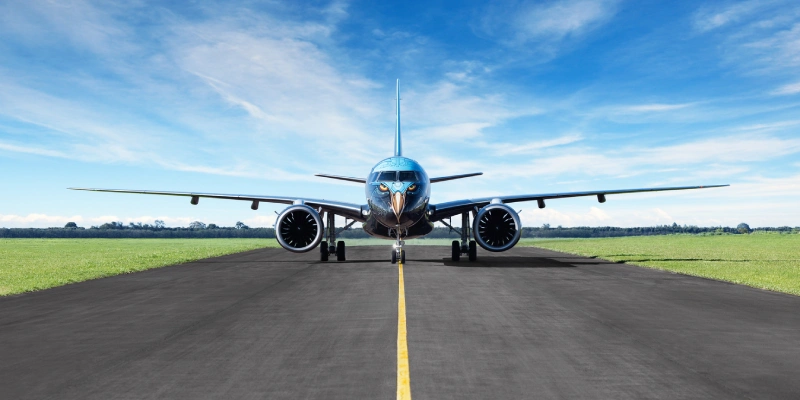
Embraer Nears Key Regional Jet Order from Japan Airlines

AirAsia Co-Founder Defends Airline’s Liquidity Amid Fuel Surge and Rules Out State Bailout
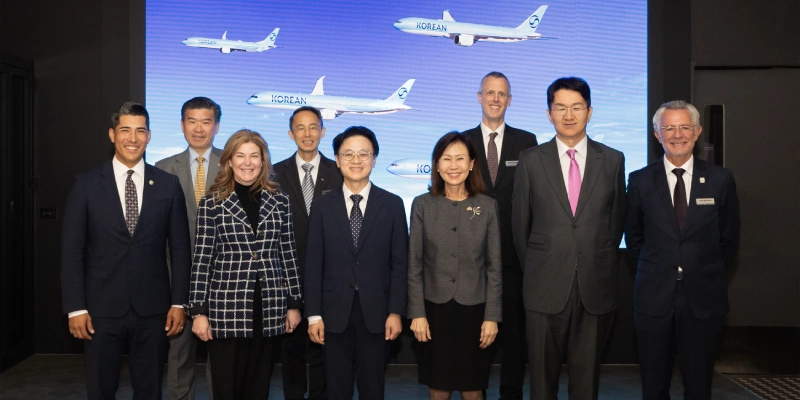
Korean Air and Boeing Finalize Historic Order for 103 Aircraft Valued at $36.2 Billion

Plataforma Informativa de Aviación Comercial con 13 años de trayectoria.