Tigerair Taiwan Bets on the A321neo, Redefining Regional Growth Strategy
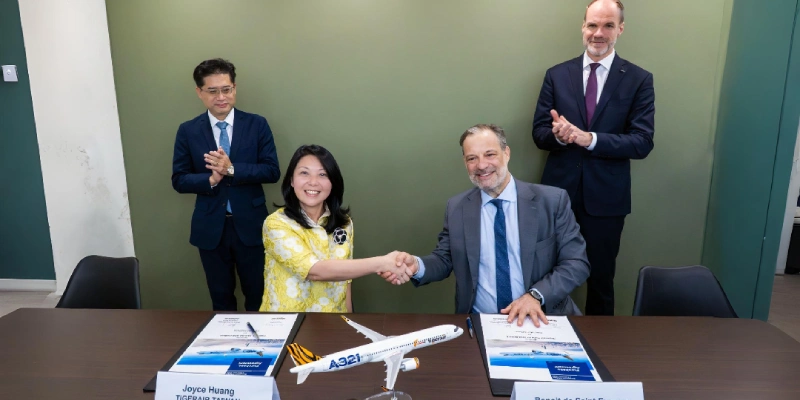




Tigerair Taiwan has taken a strategic step in evolving its low-cost model by signing a purchase agreement with Airbus for four A321neo aircraft. This marks the airline’s first-ever order for this specific model. The addition of the largest member of the A320neo family not only strengthens the long-standing relationship between the two companies but also clearly outlines the Taiwanese operator’s operational and financial roadmap for the coming years.
This decision arrives at a time when short- and medium-haul carriers in the Asia-Pacific region are seeking increased capacity, higher efficiency per seat, and network flexibility, all while maintaining the cost logic that defines the low-cost segment.
From the A320 to the A321neo: A Natural Fleet Evolution
Currently, Tigerair Taiwan operates a fleet of 17 A320 family aircraft, consisting of nine A320ceo and eight A320neo. The order for four A321neo maintains a high degree of operational commonality, a critical factor in limiting the impact on training, maintenance, and operating costs.
From an industrial perspective, the A321neo delivers exactly what the airline’s business model requires:
- Increased seating capacity.
- Improved unit economics.
- Extended range.
- Familiar platform for flight crews and technical teams.
→ Airbus Prepares for A220-500 Takeoff: “Stretched Aircraft” That Could Redefine 180-Seat Segment
232 Seats and a Focus on “Golden Routes”
One of the most significant details of the announcement is the 232-seat configuration selected by Tigerair Taiwan for its A321neo fleet. This high-density layout underscores the program’s core objective: increasing capacity on high-demand corridors, which the company refers to as its “golden routes”.
According to Joyce Huang, Chairperson of Tigerair Taiwan, this order is a pillar of their “third-generation” fleet expansion, designed to:
- Maximize operational efficiency.
- Reduce cost per seat.
- Accelerate regional network expansion.
- Consolidate its position as Taiwan’s leading low-cost carrier.
The equation is straightforward: more passengers per flight, more destinations served, and a more competitive cost structure—essential elements for sustaining margins in an increasingly contested regional environment.
From the manufacturer’s side, Benoît de Saint-Exupéry, EVP Sales of Airbus Commercial Aircraft, noted that the A321neo is an ideal platform for capturing growing demand in regional and medium-haul markets while maintaining profitable operations.
Related Topics

FAA Clears Path for Boeing 737 MAX 10 Certification After Dismissing Flight Software Safety Risks
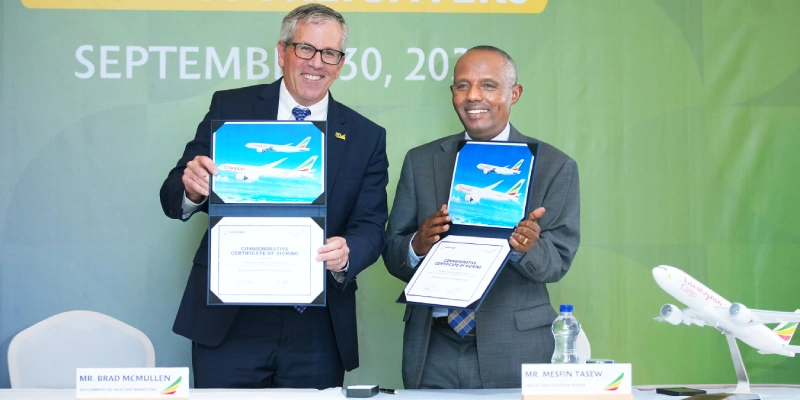
Ethiopian Airlines Orders Ten Boeing Freighters: Eight 777-8Fs and Two 777Fs to Boost Global Logistics Network

US Transportation Secretary Rules Out Safety Risks From Boeing 737 MAX Software Glitch
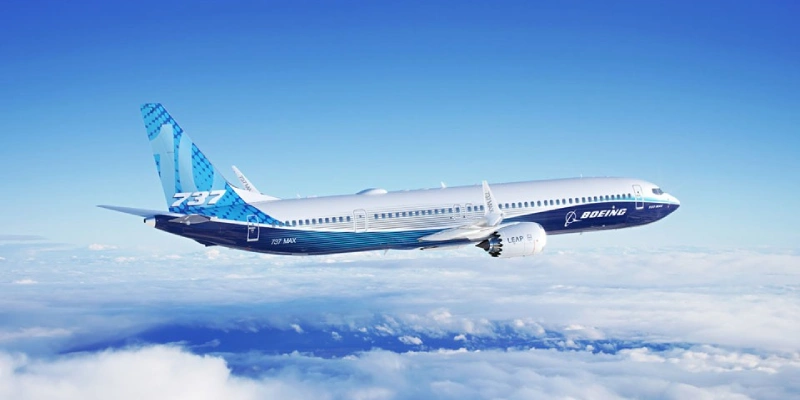
FAA Delays Boeing 737 MAX 10 Certification Following Software Issue

Plataforma Informativa de Aviación Comercial con 13 años de trayectoria.