Air India Grounds Boeing 787 Following New Report on Fuel Switches
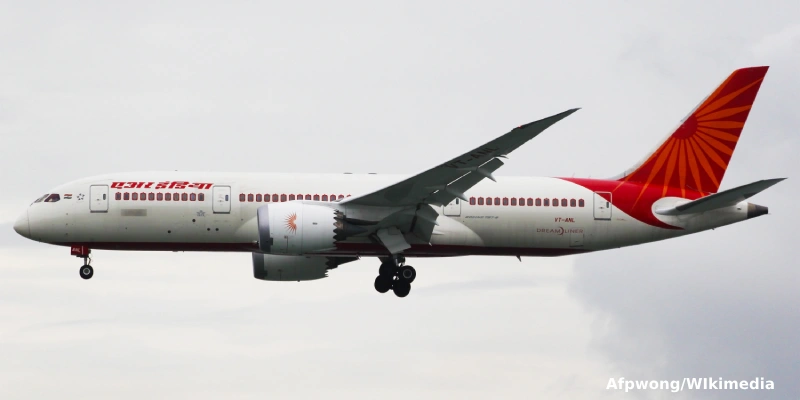




Air India confirmed this Monday the precautionary grounding of a Boeing 787 Dreamliner after one of its pilots reported a potential defect in the fuel control switch. This component is far from minor: it is the same system currently under scrutiny following last year’s fatal accident in India, which resulted in 260 fatalities and marked a turning point in the technical oversight of the airline’s Dreamliner fleet.
While the company has not publicly detailed the exact nature of the anomaly or identified the specific flight number involved , two sources with knowledge of the matter indicated that the report was made following a landing in Bengaluru after a flight from London, according to Reuters.
Airline and Manufacturer Response
“Upon receiving this initial information, we have proceeded to ground the aircraft,” Air India stated in a press release, adding that they are in contact with Boeing “as a matter of priority”. The American manufacturer confirmed it is providing technical support to the Indian carrier.
Air India currently operates 33 Boeing 787 Dreamliners. While grounding a single unit does not pose an immediate significant operational impact, it once again places the spotlight on the reliability of a critical system within Boeing’s flagship wide-body aircraft.
→ Air India Orders More Boeing 737s and Makes Strategic Leap with Airbus A321XLR
Why Fuel Switches Are Critical
Fuel control switches regulate the flow of fuel to the engines. Their function is essential both on the ground and in flight:
- They are used to start or shut down engines during airport operations.
- They allow the crew to manually stop or restart an engine in the event of an in-flight failure.
The precedent is particularly sensitive. The preliminary report from last year’s accident indicated that the engine fuel cutoff switches were actuated almost simultaneously, causing a total loss of power by depriving the engines of fuel. That finding triggered reinforced regulatory oversight of Air India.
Regulatory Context and Previous Measures
Air India reported that it has already notified India’s civil aviation regulator of the new incident. The airline also noted that, following a directive issued last year, it inspected the fuel control switches across its entire Boeing 787 fleet and detected no anomalies at that time.
This distinction is key for executives and operational safety managers: the current event did not arise from a scheduled inspection, but from an operational crew report. This reinforces the value of real-time feedback as the final barrier of safety.
An Ongoing Investigation
As of now, it has not been confirmed whether the reported defect is directly related to the previous accident, nor whether it stems from a design flaw, maintenance issue, or an isolated event. Furthermore, there has been no word on whether aviation authorities will mandate additional inspections or global measures for the 787 fleet.
What remains clear is that, in a context where the Boeing 787 Dreamliner is a cornerstone of long-haul operations, any new evidence regarding critical systems will be scrutinized intensely by regulators, airline executives, and manufacturers alike.
Related Topics
British Airways Expands Network for Summer 2027: Touches Down in Tanzania and Boosts Latin American Capacity by 25%

Copa Airlines Restores Second Daily Flight to Caracas, Venezuela

Avianca Strengthens Cross-Border Network: Launches Daily Flights Between Bogotá and Maracaibo, Venezuela

LATAM to Expand International Connectivity With New Direct Route Between Santiago de Chile and Salvador de Bahia

Plataforma Informativa de Aviación Comercial con 13 años de trayectoria.