Airbus Seeks Compensation from Pratt & Whitney Over Engine Delivery Delays, Sources Say
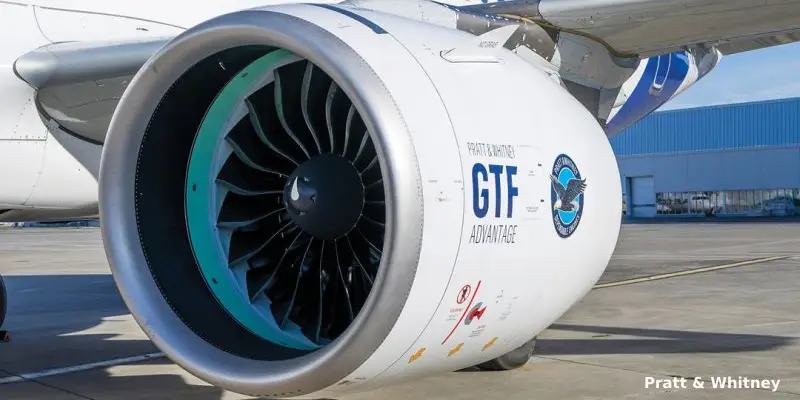




Airbus has stepped up pressure on American manufacturer Pratt & Whitney (P&W), initiating a process to claim potential damages amid a growing dispute over engine supply delays. These bottlenecks have hindered the European planemaker’s plans to ramp up its production rates, according to two people familiar with the matter who spoke to Reuters.
Conflict Over Supply Priority
The dispute between the world’s largest aircraft manufacturer and the RTX Corporation subsidiary centers on who should receive priority in the face of component shortages: new aircraft assembly lines or airlines facing long waits to repair their existing fleets.
This tension arises in a context where P&W’s GTF (Geared Turbofan) engine powers at least 40% of the Airbus A320neo family—the company’s best-selling model—competing directly with CFM International’s LEAP engine.
Currently, hundreds of these narrow-body aircraft are grounded due to prolonged inspection and repair times resulting from a manufacturing issue at P&W facilities.
Impact on Airbus Production Targets
Airbus has formally accused the RTX unit of breaching agreements regarding the quantity of engines allocated to its factories. This shortfall was a determining factor in the European manufacturer’s recent decision to scale back its production targets.
→ Atlas Air Becomes Largest Airbus A350F Customer with Order for 20 Aircraft
For its part, P&W management maintains they are working closely with Airbus, seeking a balance to support airlines struggling to keep their aircraft operational. Nevertheless, Airbus CEO Guillaume Faury warned last month that the company was prepared to assert its contractual rights.
Toward a Confidential Arbitration Process
The dispute has triggered a claim that could lead to the payment of unspecified damages if Airbus is successful in its demand. While the exact legal forum has not been identified, it is common for such cross-border commercial claims in the aerospace sector to be resolved through closed-door arbitration processes.
- Point of Friction: Airbus alleges that P&W promised deliveries it has failed to meet, diverting engines toward repair shops, where engine manufacturers generate the majority of their revenue.
- Airlines’ Stance: This situation puts Airbus in a delicate position with its own customers. The CEO of Lufthansa, for example, has defended P&W, arguing that airlines should have priority in the supply chain.
- RTX Figures: Chris Calio, CEO of RTX, stated in January that P&W’s total deliveries increased by 50% last year, underscoring the difficulty of balancing demand.
A Challenge for Industry Cohesion
While tensions between airframers and engine suppliers are not new, this confrontation represents one of the greatest tests of industry cohesion since the 2022 legal battle between Airbus and Qatar Airways over the A350.
The resolution of this conflict is critical, as it occurs while Airbus and Boeing evaluate propulsion options for the next generation of aircraft. Despite the severity of the claim, analysts note that most of these disputes are typically resolved in timeframes shorter than technological development cycles, which define strategic partnerships for decades.
Currently, Airbus faces additional pressures across its production network, having adjusted its delivery goals late last year due to issues with fuselage panels supplied by a Spanish company.
Related Topics

Boeing Pays $3.1 Million FAA Fine over Multiple Safety Violations
FAA Mandates Inspections for Select Boeing 787s Over Potential Structural Defects

Boeing Delivers 53 Jets in July, Down 11 From June

FAA Orders Inspection of Hundreds of Boeing 737 MAX Aircraft Over Potential Fuselage Cracking

Plataforma Informativa de Aviación Comercial con 13 años de trayectoria.