Spirit Airlines Collapse Reveals Limits of Ultra-Low-Cost Model Amid Premium Market Shift, Says Delta CEO
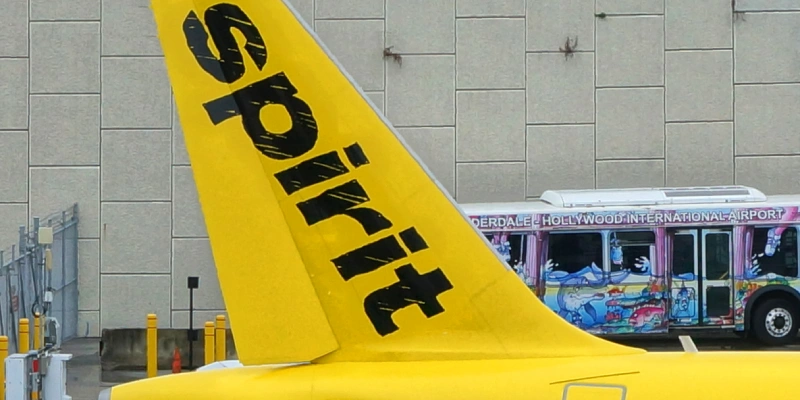




Delta Air Lines CEO Ed Bastian noted that Spirit Airlines’ cessation of operations highlights a growing divide within the aviation industry. According to the executive, the current environment favors carriers that prioritize customer experience over those competing exclusively on low fares amidst a backdrop of rising operating costs.
The End of Spirit Airlines: Beyond Fuel Prices
Despite a complex macroeconomic environment, Bastian was blunt in his analysis of the low-cost carrier’s downfall. Spirit Airlines ceased operations this month after failing to secure emergency financing, concluding a critical period that included its second filing for bankruptcy protection in August.
While the sector faces a surge in jet fuel prices—exacerbated by tensions from the conflict between the United States and Iran and the effective closure of the Strait of Hormuz—the executive dismissed these as the primary causes of the collapse.
“Spirit didn’t go bankrupt because of fuel prices. They went bankrupt because they had a bad product,” Bastian stated Thursday in an interview with Bloomberg Television.
→ Delta Redefines Airport Efficiency with Biometrics and Streamlined Baggage Transfer
An Industry Undergoing Rationalization
For Delta’s leadership, the market is undergoing a natural rationalization. The industry is currently divided into two distinct blocs:
- Premium Carriers: Focused on high-value services and brand loyalty.
- Low-Cost Carriers (LCCs): Operators struggling to maintain profitability under a pricing structure that, according to Bastian, is no longer sustainable in the current ecosystem.
Bastian emphasized that low-cost airlines can no longer afford to offer such deeply discounted fares due to financial pressures, accumulated debt, and shifts in consumer demand. In contrast, Delta Air Lines has bolstered its position by leaning into high-end offerings, including:
- Airport VIP lounges.
- Premium cabin classes.
- Strategic loyalty partnerships.
Geopolitical Conflict and Operating Costs
The war between the United States and Iran has raised critical concerns regarding energy supply, driving up operating expenses across the entire industry. However, this scenario has hit the weakest operators hardest, as they were already grappling with profitability issues.
As Spirit Airlines disappears from the competitive landscape, other companies in the sector are absorbing its human capital. Bastian confirmed that Delta has hired a significant number of former Spirit employees, taking advantage of the restructuring within the aviation labor market.
The collapse of the largest Ultra-Low-Cost Carrier (ULCC) in the United States suggests that the business model based solely on price has reached its limit. Industry leaders suggest that future growth will depend on an airline’s ability to provide a product for which passengers are willing to pay a premium, leaving behind the era of aggressive competition centered on bottom-tier fares.
Related Topics
Korean Air and Boeing Finalize Historic Order for 103 Aircraft Valued at $36.2 Billion
XiamenAir Launches New Intercontinental Route Between Xiamen and London

ANA Expands Regional Fleet with Additional Order for Eight Embraer E190-E2s
FLY91 Places Landmark Order for 40 ATR 72-600 Aircraft

Plataforma Informativa de Aviación Comercial con 13 años de trayectoria.