ANAC Streamlines Authorization Process for New Foreign Airlines Entering Argentina
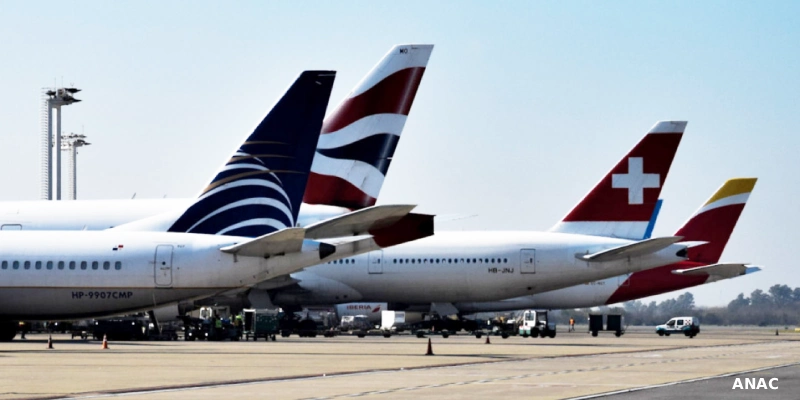




The National Civil Aviation Administration (ANAC) has approved a major update to Part 129 of the Argentine Civil Aviation Regulations (RAAC). The measure aims to simplify the procedures required for foreign air carriers to obtain authorization to operate scheduled and non-scheduled international air services to and from Argentine territory.
A New Framework for Air Operator Certificate Recognition
The core modification to the regulation lies in the implementation of a streamlined mechanism for the validation and recognition of the Air Operator Certificate (AOC) issued by civil aviation authorities of other States.
Under this new framework, air carriers will be able to access an expedited application process, provided they meet two key conditions:
- Bilateral or Multilateral Agreements: Belonging to countries that maintain active aeronautical agreements with the Argentine Republic.
- Validated Technical Oversight: The civil aviation authority of the State of Origin demonstrating satisfactory levels of Effective Implementation in safety oversight, in accordance with audits conducted by the International Civil Aviation Organization (ICAO).
This update eliminates the duplication of technical audits and inspections that have already been satisfactorily performed by issuing authorities aligned with ICAO global standards. As a direct result, regulatory processing times and the bureaucratic burden for airlines interested in entering the regional market are significantly reduced.
Risk-Based Oversight and Resource Efficiency
The amendment to RAAC Part 129 further redefines the model for State oversight of international air transport, formally transitioning toward a risk-based oversight framework:
- Optimization of State Resources: ANAC is reallocating its technical oversight capacity, focusing the most exhaustive evaluations strictly on operators or States with lower levels of safety oversight or those requiring greater regulatory monitoring.
- Alignment with ICAO Standards: Globally recommended best practices for oversight are being adopted, prioritizing intelligent operational risk management over the accumulation of administrative paperwork.
Impact on the Airline Market and Connectivity
Through the modernization and deregulation of this regulatory framework, the Argentine civil aviation authority seeks to revitalize the commercial aviation sector. The reduction of barriers to entry is expected to encourage the arrival of new international players, fostering a more competitive pricing and operational environment that will ultimately expand route offerings and passenger connectivity.
Related Topics

Birmingham Airport Plans £2 Billion Investment to Reach 30 Million Passengers in New Master Plan

Ryanair Unveils First 29 New Routes for Summer 2027

KLM to Offer Free High-Speed Wi-Fi on Long-Haul Flights Starting in 2027

Air France to Expand US Network with New Direct Flights to Nashville and San Diego for Summer 2027

Plataforma Informativa de Aviación Comercial con 13 años de trayectoria.