US Seeks to Accelerate Aircraft Type Certification





The US Department of Transportation (USDOT) has announced plans to streamline aircraft certification processes for original equipment manufacturers (OEMs) such as Boeing, aiming to drive innovation and prevent China from gaining a competitive edge in the global aerospace industry.
Urgency to Overhaul Regulatory Timelines
Speaking at an event in Washington, Transportation Secretary Sean Duffy called into question the prolonged delays currently hobbling aeronautical developments due to bureaucratic red tape throughout the regulatory approval process.
“Where is the new aviation innovation from the big manufacturers? It is not happening because it is so hard to certify,” Duffy remarked. “We must ensure we maintain aviation safety, but can we move faster?”
Presently, securing regulatory type certification for a new commercial aircraft can take five years or more, requiring extensive flight test campaigns, massive data acquisition, and rigorous technical compliance documentation. Aviation sector
Geopolitical Factor and Private Investment
Addressing reporters following the event, Duffy warned of the direct impact that protracted approvals have on private capital and the preeminence of the US aerospace industry against the Asian market:
- Erosion of Competitiveness: “If we cannot move at a different pace on certification, we are going to lose. China is going to beat us. We will not lose for lack of innovation,” he emphasized.
- Capital Flight: The official cautioned that private capital will steer clear of investing in groundbreaking developments if securing type approvals takes up to a decade.
This initiative to reduce certification timelines would provide major relief and momentum for the industry’s leading airframe manufacturers, including Boeing, Airbus, Embraer, and Bombardier.
→ Turkish Airlines and Boeing Finalize Historic Order for Up to 150 737 MAX Jets
Historic Delays Across Boeing Commercial Programs
The complexity and protracted nature of regulatory oversight are clearly evidenced in recent commercial aircraft programs:
- Boeing 737 MAX 7: It took the US airframer more than eight years to certify this variant, ultimately achieving final approval in August.
- Boeing 777X: The program has accumulated a delay of over five years against the company’s original baseline schedule.
FAA-Proposed Reforms
In response to these challenges, the Federal Aviation Administration (FAA) has begun drafting structured overhauls. FAA Administrator Bryan Bedford has championed systemic reforms, disclosing earlier this year that the agency is collaborating on joint industry initiatives to optimize and streamline the certification pipeline. Sport aviation
This effort builds upon earlier initiatives, such as those outlined in 2024 by former FAA Administrator Mike Whitaker, who told Reuters that the agency was exploring advanced technology implementations to cut red tape.
Among the anticipated policy shifts—initially reported by Reuters in September—the FAA is considering cutting down on the volume of:
- Technical exemptions.
- Special conditions.
- Equivalent Level of Safety (ELOS) findings required throughout type certification assessments.
Looking beyond conventional civil aviation, Sean Duffy expanded this call for regulatory agility to commercial spaceflight. The US transportation chief urged regulators to lower barriers for new commercial space entrants, stressing that the industry needs increased dynamism, competition, and market participation, while reaffirming that the federal government is determined to accelerate space regulatory pathways to foster innovation.
Related Topics

Embraer Nears Key Regional Jet Order from Japan Airlines

BermudAir Becomes Second Global Operator of Embraer E-Freighter

ANA Expands Regional Fleet with Additional Order for Eight Embraer E190-E2s
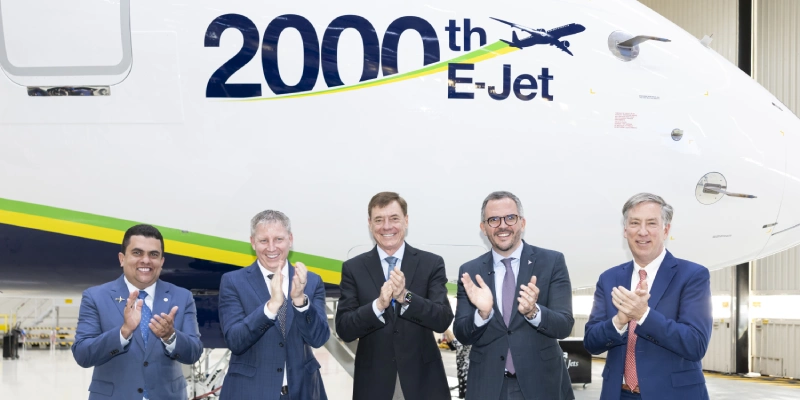
Embraer Delivers 2,000th E-Jet, Solidifying the Program as One of Commercial Aviation’s Most Successful

Plataforma Informativa de Aviación Comercial con 13 años de trayectoria.