Boeing Reports Wider Q3 Losses in Commercial Airplanes Weighed Down by Delivery Delays





A bottleneck in commercial aircraft deliveries alongside higher operational spending to support future production rates widened Boeing’s operating deficit in the third quarter, despite marked improvements in free cash flow and its defense unit.
Boeing Commercial Airplanes (BCA), the airframer’s largest unit by revenue, posted a third-quarter operating loss of $697 million. This shortfall exceeded analyst projections, which had anticipated a $360.8 million deficit. Despite the loss, the figure marks a substantial narrowing compared to the same period last year, when the manufacturer was hit by a $4.9 billion charge stemming from delays in the 777-9 program.
Financial Performance and Division Divergence
In stark contrast to the commercial business, Boeing Defense, Space & Security (BDS) saw an increase in earnings. This rebound was driven by:
- Higher global defense spending, which spurred stronger contract volume.
- The divestment of non-core strategic assets, including the equity stake the company held for more than two decades in HRL Laboratories.
On a consolidated basis, Boeing’s total revenue rose 4% to $24.2 billion, beating market forecasts. Free cash flow stood at $464 million, topping Wall Street expectations of $325.1 million.
→ FAA Certifies Boeing 737-10: Largest Member of MAX Family Is Cleared for Deliveries
However, the company reported a core operating loss of 34 cents per share, wider than the consensus estimate of 21 cents. Consolidated debt remained flat sequentially at $45.9 billion, supported by $10 billion in undrawn credit facilities.
Supply Chain Headwinds: Bottlenecks on the 737 MAX and 787
Chief Executive Officer Kelly Ortberg—who took the helm in 2024 to shore up the balance sheet and rebuild operational and regulatory confidence—continues to navigate persistent supply chain bottlenecks that hamper assembly lines:
- Boeing 737 MAX: The manufacturer is working to stabilize final assembly output at a production rate of 47 aircraft per month, keeping the narrowbody as its primary cash driver.
- Boeing 787 Dreamliner: Boeing is currently producing eight widebodies per month. The target to ramp up to a 10-aircraft monthly rate remains constrained by engine delivery delays.
- Boeing 777-9: The company reiterated its commitment to commence first deliveries of the twin-aisle aircraft next year, which is now tracking approximately six years behind its original program schedule.
Following the earnings release, Boeing shares gained as much as 1.4% in pre-market trading.
As Boeing works through its order backlog, Ortberg underscored to employees that while the manufacturer sits on firmer footing than it did a year ago, significant execution remains ahead to streamline factory operations, improve daily processes, and meet tightening market expectations.
Related Topics
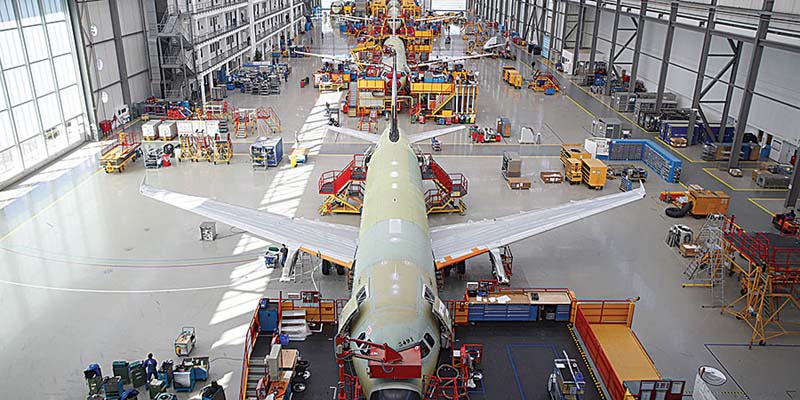
Airbus Reaffirms Full-Year Guidance, Banking on Record Q4 Surge to Reach 870 Deliveries
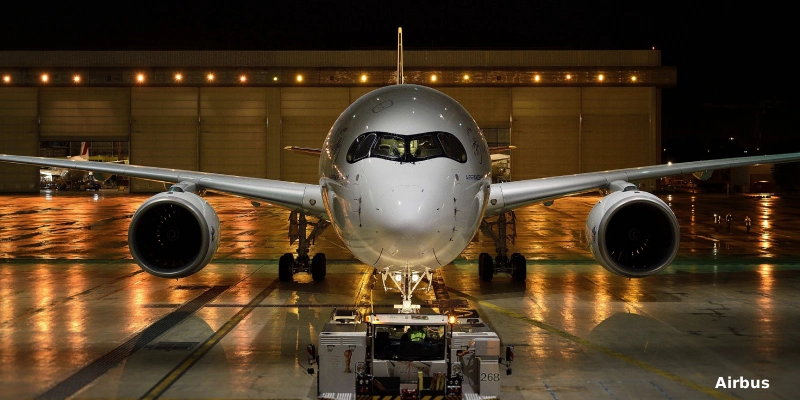
Airbus and Air France-KLM Finalize Alpha Component Solutions Joint Venture for A350 Component Support
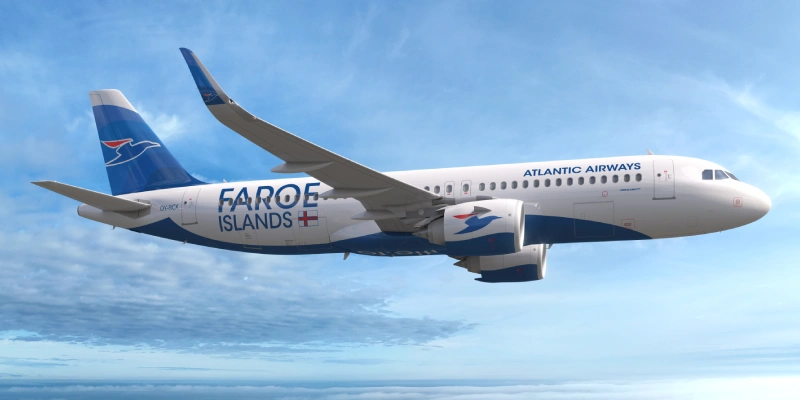
Atlantic Airways Orders Two Airbus A320neo Aircraft to Modernize Its Fleet

Allegiant Air Orders Six Additional Boeing 737 MAX Jets

Plataforma Informativa de Aviación Comercial con 13 años de trayectoria.