Boeing Commercial Airplanes Plans 5% Workforce Cut Amid Output Ramp-Up Headwinds





Boeing Commercial Airplanes plans to cut its workforce by 5% as it grapples with persistent challenges in ramping up commercial aircraft production. The measure comes in response to an enforced slowdown across assembly lines to stabilize factory operations and the supply chain, leaving the U.S. airframer’s commercial unit overstaffed.
Operational Realignment and Surplus Staffing
The decision was communicated to staff on Monday via an internal memo signed by the division’s CEO, Stephanie Pope. In the memo, seen by Reuters, the executive stated that the company needs to reset planned production rate increases to give factories and supply chain partners additional time to solidify operational stability.
Adjusting assembly schedules and slowing rollout rates has left the current operational footprint overstaffed. Following reports of the internal communication, Boeing shares slipped by less than 1% in late trading.
The workforce reduction will be carried out through a combination of natural attrition and involuntary layoffs:
- Notice Timelines: Affected employees will begin receiving initial notices in December at the earliest.
- Regulatory Compliance: Under WARN Act requirements across several states, Boeing is legally mandated to provide 60 days of advance notice before layoffs take effect.
- Headcount Baseline: The Seattle-area commercial airplanes division employed 50,494 personnel as of December 2025, according to the company’s official disclosures. Employees previously indicated growing internal concern over impending job cuts.
→ Boeing 777-9 Lands in Bolivia for Demanding High-Altitude Certification Tests
737 Program Setbacks and Deferred Financial Targets
The workforce restructuring comes after Boeing Chief Executive Kelly Ortberg told Wall Street analysts last month that the manufacturer would miss its 2026 delivery and production targets for the single-aisle 737 program.
The 737 narrowbody family is Boeing’s primary cash generator, making higher delivery volumes pivotal to the aerospace giant’s broader turnaround. However, the manufacturer has revised its guidance downward:
- Revised 737 Target: Boeing now aims to hit a production cadence of 47 aircraft per month by early 2027.
- Previous Timeline: The company had previously targeted that production rate by summer 2026.
- Free Cash Flow: The milestone of $10 billion in free cash flow will not be realized until 2029—one year later than Wall Street consensus.
This cash-generation benchmark is viewed by investors as a critical barometer of Boeing’s recovery following years of operational crises that battered its reputation, burdened the balance sheet with high debt, and brought heightened regulatory oversight.
Widebody Programs Impacted
Boeing’s industrial bottlenecks extend beyond its narrowbody lines. The OEM has also faced hurdles ramping up production of the 787 widebody twinjet from 8 to 10 aircraft per month. Assembly lines for the 767 and 777 programs have likewise experienced operational disruptions.
The planned headcount reduction underscores the direct toll that ongoing industrial delays are taking on the airframer’s organizational footprint, as executive leadership moves to align plant capacity with supply chain realities.
Related Topics
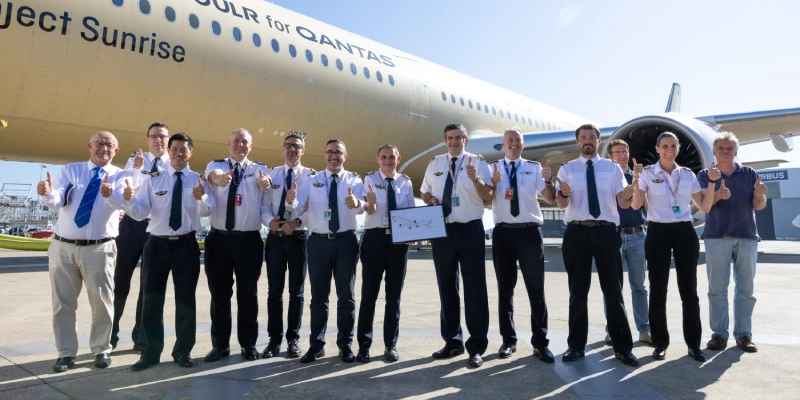
World Distance Record: Airbus A350-1000ULR Completes Historic 23,155-Kilometer Flight
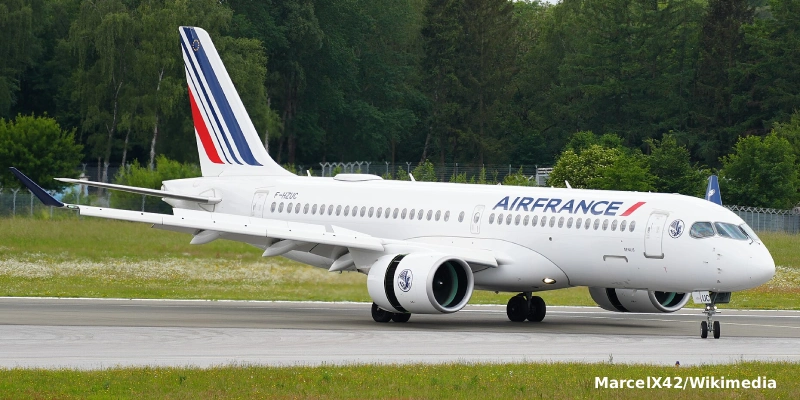
Air France Takes Delivery of Its 60th Airbus A220
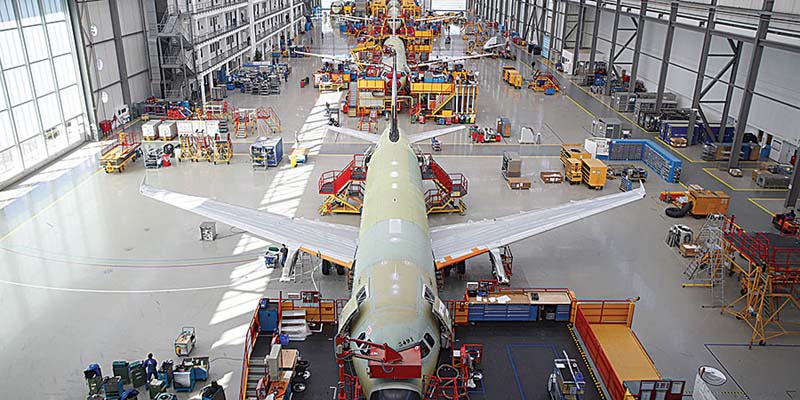
Airbus Delivers 74 Commercial Aircraft in October, Stepping Up Pace to Meet Annual Target
Airbus Reaffirms Full-Year Guidance, Banking on Record Q4 Surge to Reach 870 Deliveries
Plataforma Informativa de Aviación Comercial con 13 años de trayectoria.