Airbus Delivers 793 Commercial Aircraft in 2025, Sources Say
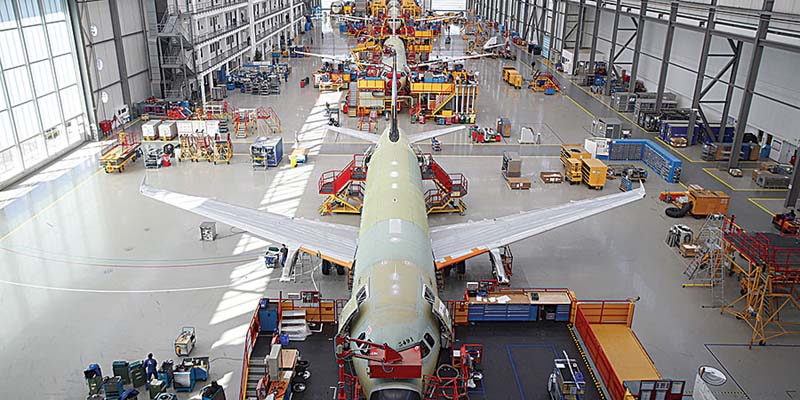




Airbus concluded 2025 with 793 aircraft delivered, a figure that exceeds its revised annual target, according to people familiar with the matter who spoke to Bloomberg. Although preliminary and subject to minor adjustments, the data offers a clear signal about the European manufacturer’s performance in a year marked by industrial difficulties and operational adjustments.
A Key Year-End Finish to Meet the Target
According to the sources, Airbus intensified deliveries during the final days of the year to meet its new internally-set goal. The people consulted requested anonymity because the information is confidential and has not yet been audited.
The company had reduced its initial forecast, which was around 820 deliveries, after facing a series of setbacks linked to its best-selling aircraft, the A320.
Technical Problems Impacted Planning
Among the factors leading to the revised forecast was a software update for the A320. Subsequently, Airbus detected fuselage panels that did not meet specifications, requiring additional inspections for the same model.
These technical issues directly affected the production pace and the ability to complete aircraft ready for delivery to customers.
→ Air China Purchases 60 Airbus A320neo Jets
Airbus Avoids Releasing Official Figures
A spokesperson for the European manufacturer declined to comment on the annual delivery volume. However, they confirmed that audited order and delivery figures will be published after market close on January 12th.
Until then, the known numbers correspond solely to preliminary estimates.
Why Deliveries Are a Key Industry Indicator
For both Airbus and Boeing, the number of aircraft delivered is one of the performance indicators most closely watched by analysts and markets. These figures represent the primary source of cash revenue and, at the same time, reflect the state of stability in the supply chain.
Persistent Challenges in the Supply Chain
Airbus, in particular, has faced difficulties for years in obtaining components on time, from interior elements to engines. This situation has led the company to accumulate finished aircraft that cannot be delivered because they are not fully ready for handover to airlines.
Despite these challenges, the 2025 result shows the manufacturer’s ability to adjust its operations and finish the year above its revised target, within a complex industrial context for commercial aviation.
Related Topics
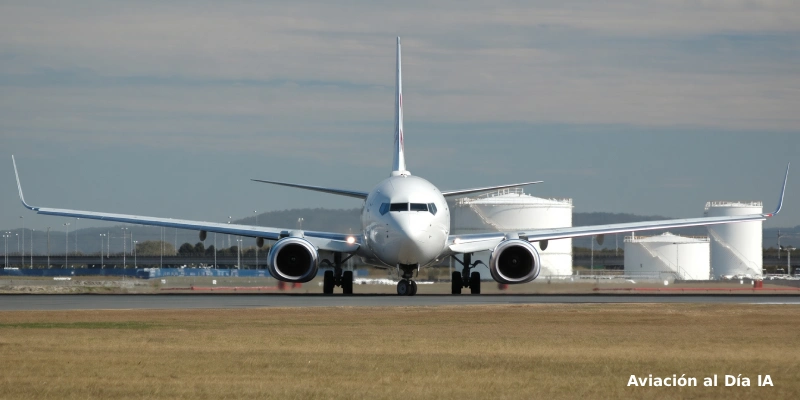
FAA Mandates Inspections on Nearly 2,000 Boeing 737 NGs Over Horizontal Stabilizer Oscillations
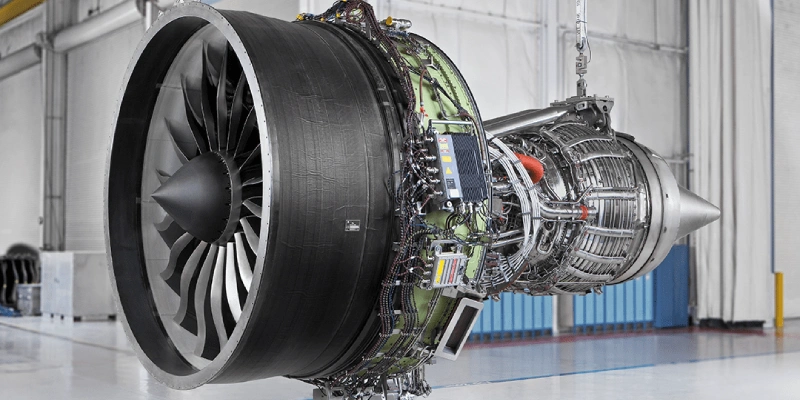
GE Aerospace Ramps Up GEnx Deliveries, Outpacing Boeing 787 Handover Rate
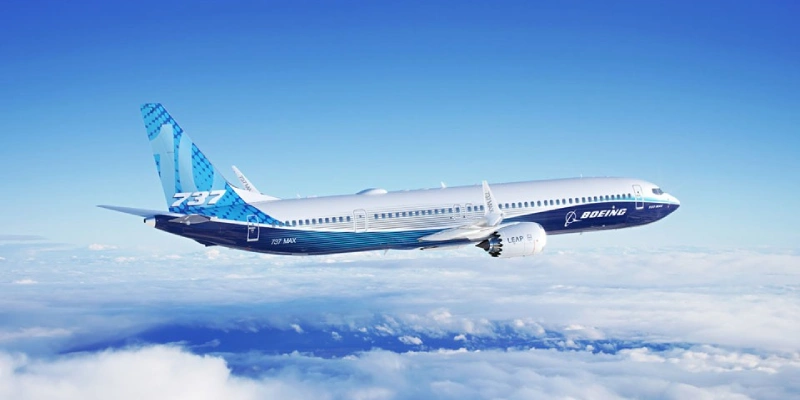
FAA Certifies Boeing 737-10: Largest Member of MAX Family Is Cleared for Deliveries

Boeing Unveils Dataliner: Next-Gen AI-Powered Aircraft Data Platform

Plataforma Informativa de Aviación Comercial con 13 años de trayectoria.