

Airbus has raised an alarm regarding one of the most sensitive points in the aerospace supply chain: engine availability for the A320neo family, particularly those supplied by Pratt & Whitney. The warning comes directly from the top of the European manufacturer, in a context where engines have become the main bottleneck for the industry.
Engines Arriving Late with No Agreement in Sight
During remarks made on Monday, Airbus confirmed that it has still not reached an agreement with Pratt & Whitney regarding the volume of engines it needs “for the foreseeable future.”
The outgoing CEO of Airbus Commercial Aircraft, Christian Scherer, was particularly clear in describing the situation: Engines for the A320neo family continued to arrive “very, very late” in 2025.
Far from showing imminent improvement, Scherer acknowledged that the trend will extend into 2026, especially in the case of Pratt & Whitney, with whom discussions remain open but without a concrete resolution.
Direct Impact on the A320neo Program
The A320neo family is the heart of Airbus’s business. It is its highest-volume product line, with thousands of pending orders and a key role in the fleet planning of airlines worldwide. In this context, the lack of available engines on time and as specified has cascading effects:
- Delays in deliveries of completed aircraft lacking powerplants.
- Pressure on production rates, even as Airbus has invested in increasing industrial capacity.
- Uncertainty for airlines, which depend on these aircraft to renew fleets, reduce fuel consumption, and meet environmental targets.
→ Iberia Receives Its Seventh Airbus A321XLR
While Airbus did not provide exact figures for engine shortages or the impact on deliveries, the explicit mention of 2026 indicates that the manufacturer already considers the problem to be structural and medium-term.
Pratt & Whitney at the Center of the Debate
Scherer emphasized that the main focus is on Pratt & Whitney, without mentioning concrete progress in negotiations. The message is clear: Airbus considers the issue “a matter we need to resolve,” suggesting that the current situation is not acceptable from an industrial or commercial standpoint.
A Supply Chain Under Maximum Pressure
Airbus’s statements confirm what many airlines and lessors already perceive: engines are currently the primary limiting factor for growth in commercial aviation. Even with aircraft ready to fly, a lack of propulsion systems can leave airframes parked for months.
For airline executives, this scenario reinforces the need for:
- More conservative fleet planning.
- Contingency margins in delivery schedules.
- Strategic evaluation of suppliers and engine configurations.
Airbus has decided to speak candidly about a problem that can no longer be managed behind closed doors. The lack of clear agreements with Pratt & Whitney and the persistent delays in A320neo engine deliveries pose a serious challenge for 2026.
With information from Reuters
Related Topics
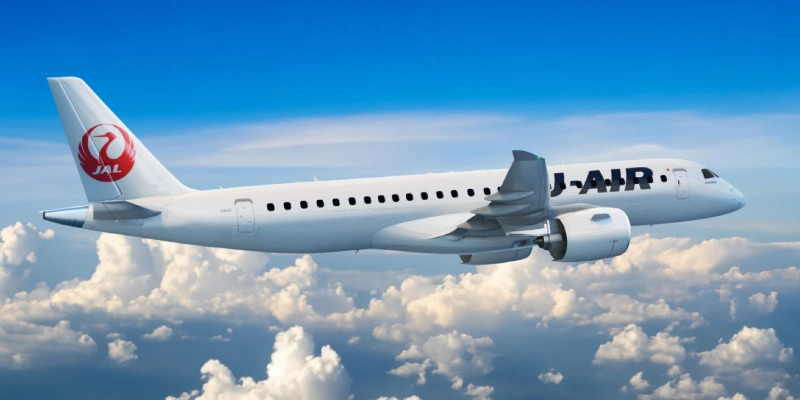
Japan Airlines Selects Embraer E190-E2 to Renew J-AIR Regional Fleet
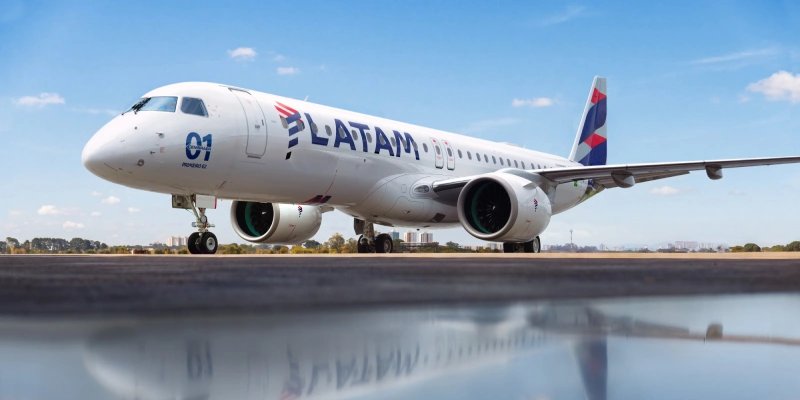
LATAM Airlines Brazil Takes Delivery of Its First Embraer E195-E2
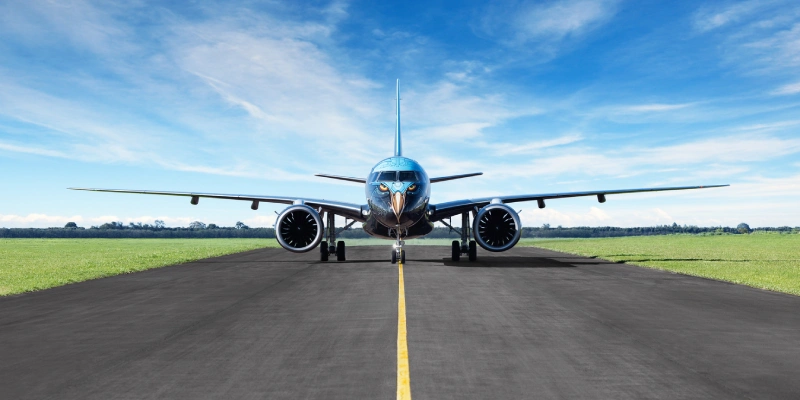
Embraer Reports Record Third-Quarter Performance With 66 Aircraft Delivered
Embraer Nears Key Regional Jet Order from Japan Airlines


Plataforma Informativa de Aviación Comercial con 13 años de trayectoria.