Brazil Approves United Airlines’ US$100 Million Investment in Azul





Brazil’s competition authority has given the green light to United Airlines’ plan to expand its minority stake in Azul Linhas Aéreas, a key step within the financial restructuring process the Brazilian airline is undergoing under U.S. Chapter 11 bankruptcy law.
The decision removes a significant regulatory hurdle and allows for the progression of an investment close to 100 million dollars, aimed at strengthening the company’s liquidity and reducing its debt.
Unconditional Authorization from Brazilian Regulator
Brazil’s Administrative Council for Economic Defense, known as CADE, approved the operation without imposing conditions, according to official documents and corporate communications.
With this authorization, United will be able to increase its stake in Azul from approximately 2% to around 8%, through the purchase of new shares issued by the Brazilian airline.
During the antitrust analysis, authorities assessed the transaction’s impact on the market and confirmed that the increase in shareholding does not grant United control over Azul, a central aspect of the review process.
Part of the Chapter 11 Restructuring Process
The investment is part of Azul’s comprehensive plan to reorganize its financial balance sheet under Chapter 11 of the U.S. Bankruptcy Code, a procedure the company entered in May 2025. Since then, the airline has maintained its flight operations normally, while working on reducing debt and boosting its short-term liquidity.
→ Boeing and United Airlines Test Advanced Digital Communications for the Future of Aviation
As part of this process, Azul plans to raise new capital through a combination of public offerings and the entry of strategic investors, including United Airlines. The funds obtained will be used to reduce financial liabilities and sustain operations during the transition out of bankruptcy protection.
A Relationship That Strengthens, Without Reaching Control
United has maintained a minority stake in Azul since 2015 and holds a long-standing commercial relationship with the Brazilian company, which includes code-share agreements and operational cooperation. The increased stake deepens this strategic alliance, although it remains clearly below a level implying corporate control.
This point was especially considered by regulators, who confirmed that the resulting structure does not significantly alter competition in the Brazilian air market.
Operational Profile and Diversified Fleet of Azul
Azul is currently Brazil’s third-largest airline and operates with a hybrid model supported by a varied fleet. On international routes, it uses Airbus A330 wide-body aircraft. For high-density domestic services, it employs Airbus A320neo and A321neo models.
In its regional network, the company operates Embraer E195 and E195-E2 aircraft, while smaller communities are served with ATR turboprops and Cessna Caravan planes. This diversity allows it to adapt to different demand profiles within and outside the country.
Financial Pressures and Structural Adjustments
Like other airlines in the Brazilian sector, Azul has faced sustained financial pressures stemming from U.S. dollar-denominated lease obligations, fuel costs, and exchange rate volatility. As part of its restructuring plan, the company expects to return several aircraft to lessors, renegotiate leasing contracts, and issue new shares, which will imply dilution for current shareholders.
These measures aim to adjust the cost structure and improve long-term financial viability.
Expected Exit from Chapter 11 in 2026
Airline executives have indicated that Azul expects to complete its restructuring process and emerge from Chapter 11 by early 2026, once judicial approvals and creditor backing are obtained. The authorization for United’s increased stake removes one of the main regulatory barriers and provides greater clarity regarding the company’s shareholder structure post-restructuring.
With this support, Azul advances on its roadmap to stabilize its financial situation and lay the groundwork for its next operational phase.
Related Topics
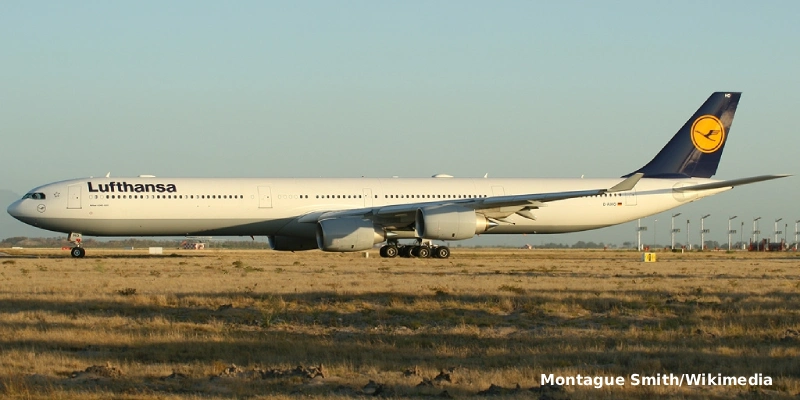
End of an Era: Lufthansa Retires Airbus A340-600 Fleet After 23 Years of Service

ITA Airways Celebrates Its Fifth Anniversary
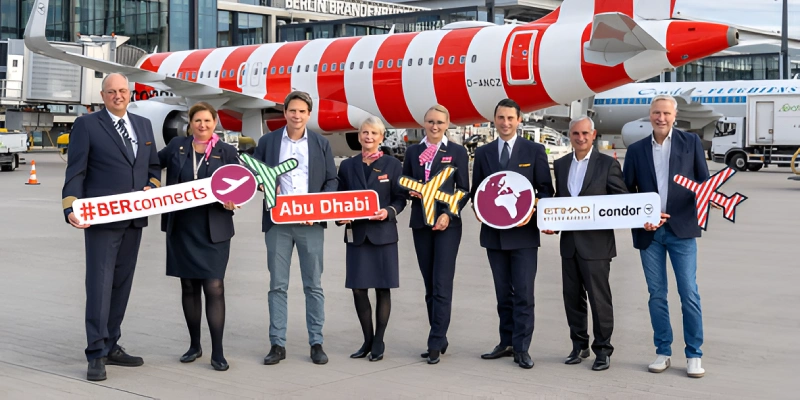
Condor Launches Daily Flights Between Berlin and Abu Dhabi

Lufthansa in Talks to Acquire Remaining 50.1% Stake in TAP Air Portugal Following Initial Entry
Plataforma Informativa de Aviación Comercial con 13 años de trayectoria.