U.S. Awards New Radar Contracts to RTX and Indra to Modernize Its Air Traffic Control System
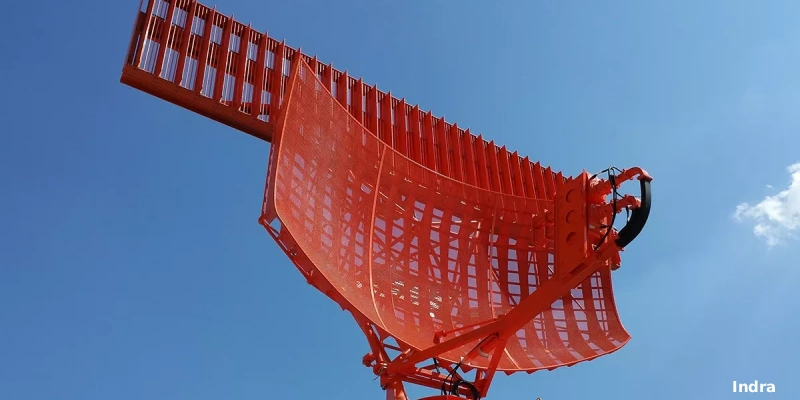




The United States has taken a key step in renewing its air traffic control system by awarding contracts to RTX Corp and Spain’s Indra Sistemas for the supply of new radars, Transportation Secretary Sean Duffy announced on Monday. The decision is part of an ambitious federal plan aimed at replacing obsolete infrastructure and enhancing operational safety in national airspace.
A Multi-Billion Dollar Plan Approved by Congress
The awards are part of a $12.5 billion program approved by Congress last year to modernize the country’s air traffic control system. This initiative comes after decades of complaints related to airport congestion and technological failures, a situation that has gained greater urgency following a series of high-profile safety incidents.
Although the official announcement does not detail the specific value of the contracts awarded to RTX and Indra, Federal Aviation Administration (FAA) Director Bryan Bedford noted last month that the agency is committed to investing $6 billion by the end of the year in telecommunications infrastructure and radar surveillance systems.
A Modernization Still Unfinished
According to the FAA, completing the full renewal of the air traffic control system will require an additional investment of $20 billion. The goal is to close technological gaps accumulated over years and ensure the operational continuity of a network critical for both commercial and military aviation.
“While our air transportation system is the safest in the world, most of our radars date back to the 1980s. This is unacceptable,” stated Duffy in his official remarks.
→ American Airlines Begins Celebration of its 100th Year
Recent Incidents Increase Public Pressure
The problems with the U.S. air traffic control system are not new, but public concern intensified following a succession of incidents, near-misses, and a catastrophic accident that occurred last January. In that event, a United States Army helicopter collided with an American Airlines regional jet, resulting in the deaths of 67 people.
This context accelerated the need for action and strengthened political backing for the modernization process.
Replacement of Up to 612 Radars Before 2028
The contracts will allow for the replacement of up to 612 radars by June 2028 with commercially available modern surveillance systems. Replacement work will begin this quarter and will prioritize areas with high air traffic volume, according to the official announcement.
The project also includes the installation of new surface radars at 44 airports, the acquisition of 27,625 radios, and the incorporation of 110 weather stations in Alaska, a region especially reliant on accurate information for air navigation.
Obsolete Infrastructure and Lack of Spare Parts
A report published in 2023 had already warned that the FAA’s communications system had been outdated for years and that the agency was facing difficulties in obtaining spare parts for numerous operational pieces of equipment. This situation increased operational risks and complicated network maintenance.
As part of the renewal strategy, the FAA announced last November the selection of Peraton, a national security company owned by Veritas Capital, as the manager for the comprehensive U.S. air traffic control system modernization project.
With the entry of RTX and Indra into this process, U.S. aviation is moving towards more modern, reliable infrastructure aligned with current safety and operational efficiency requirements.
Related Topics

Aeromexico Plans to Launch Flights to Caracas in Q1 2027 and Evaluates Making Santiago Seasonal Route Year-Round

Copa Airlines Ramps Up Americas-Wide Campaign for Margarita Island Ahead of Porlamar Route Launch
LATAM Airlines Strengthens Regional Leadership with Five Honors at the 2026 World Travel Awards

Copa Airlines Restores Operations Following Seismic Activity in Panama and Expands Commercial Flexibility Policies

Plataforma Informativa de Aviación Comercial con 13 años de trayectoria.