Boeing 777X Under Scrutiny Again: GE Aerospace Analyzes Potential Durability Issue in GE9X Engine





Boeing and GE Aerospace are currently analyzing a potential durability issue involving the GE9X engine, the exclusive turbofan powering the Boeing 777X, as confirmed by GE this Monday. The company was clear in its initial messaging: it is still too early to draw conclusions regarding the true magnitude of the problem. However, the mere emergence of this issue adds pressure to a program that has already endured years of delays.
Technical Details of the Finding
According to a report from Bloomberg News, based on sources familiar with the matter, the issue originates from an internal engine seal. While seemingly a minor component, it could have significant implications if confirmed to affect the long-term durability of the GE9X.
Current insights into the technical problem suggest:
- The detected issue may require a seal redesign and subsequent incorporation during future heavy maintenance visits.
- This suggests that, at least for now, it is not considered an immediate critical condition, but rather an aspect that could be addressed within the normal overhaul cycle, pending confirmation from ongoing analyses.
- GE Aerospace has not yet detailed the exact scope of the potential wear or whether the phenomenon has been observed in specific tests or across multiple engines.
→ FAA Rejects Being Bottleneck for 737 MAX 7 and MAX 10 Certification, Placing Pressure on Boeing
777X Delivery Schedule: Official Prudence
The matter was publicly disclosed by Boeing CEO Kelly Ortberg during the fourth-quarter earnings call. Ortberg indicated that, despite this new technical focus, Boeing still expects to begin 777X deliveries in 2027.
This statement is particularly relevant given that the program is already six years behind its original schedule and has accumulated over $15 billion in charges. These figures make it one of the most expensive and complex commercial developments in Boeing’s recent history.
Current Status of Flight Testing
Boeing is continuing the 777X flight test campaign, though operational data shows a restrained pace. According to FlightRadar24 records, only two of the five test aircraft have flown so far in 2026. While this level of activity does not necessarily indicate a direct problem, it fuels the perception of a program advancing with extreme caution.
GE9X: Certified but Still Under Scrutiny
The GE9X was certified by U.S. aviation authorities in 2020, marking a major milestone for the 777X program. However, certification does not eliminate the need for subsequent adjustments, which are common in new-generation engines.
In this context, the seal durability analysis is not entirely unexpected from a technical standpoint, though it remains uncomfortable from an industrial and commercial perspective.
For Boeing and GE, the challenge will be to resolve the issue with speed and transparency without adding further delays to a program under intense market scrutiny. For airlines, the key will be determining if this finding is a minor adjustment or a sign that the path toward 2027 may still encounter further turbulence.
Related Topics
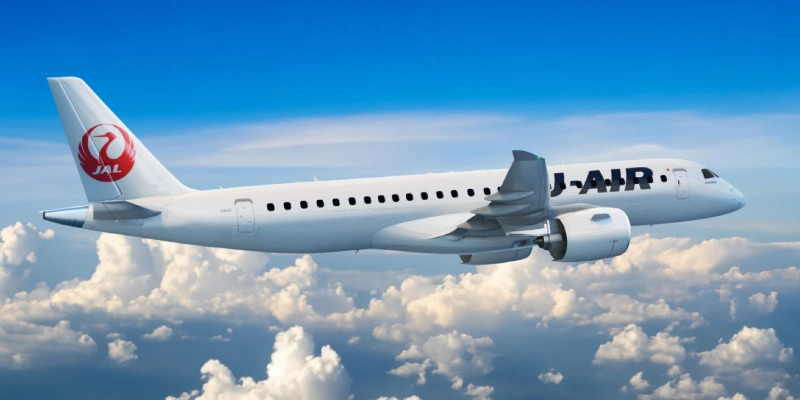
Japan Airlines Selects Embraer E190-E2 to Renew J-AIR Regional Fleet
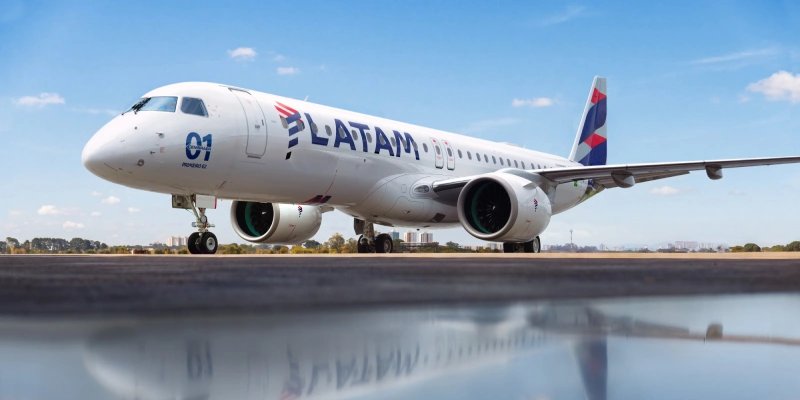
LATAM Airlines Brazil Takes Delivery of Its First Embraer E195-E2

Embraer Reports Record Third-Quarter Performance With 66 Aircraft Delivered
Embraer Nears Key Regional Jet Order from Japan Airlines

Plataforma Informativa de Aviación Comercial con 13 años de trayectoria.