Rolls-Royce Defends Engine Pricing Amid Airline Criticism
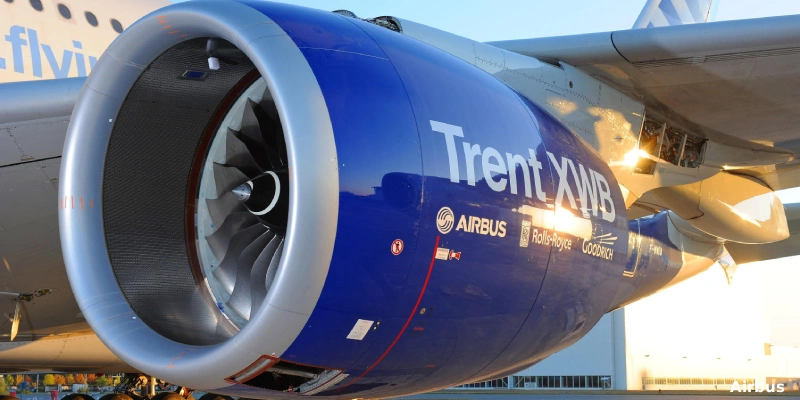




Rolls-Royce has publicly defended its pricing policy and industrial strategy after airlines intensified their criticism of engine manufacturers. These carriers have accused manufacturers of leveraging supply chain disruptions to inflate maintenance costs, even as the industry grapples with durability deficits and extensive backlogs at repair facilities.
These statements come at a particularly sensitive time for the industry. Modern fleets are currently facing operational bottlenecks that directly impact aircraft availability and airline unit costs.
Airline Demands: Rising Prices and Pressure on Reliability
The catalyst for this debate was an intervention by Willie Walsh, Director General of the International Air Transport Association (IATA). Walsh asserted that engine manufacturers have implemented widespread price increases for repairs, despite operators continuing to face durability issues and significant maintenance delays for latest-generation engines.
Walsh’s message reflects a widespread concern across the industry: the growing gap between the efficiency promises of modern engines and the operational reality of fleets spending more time out of service than anticipated.
Rolls-Royce Response: Real Costs and Structural Disruption
Speaking from the Singapore Airshow, Rob Watson, President of Civil Aerospace at Rolls-Royce, rejected the notion that the manufacturer is capitalizing on the crisis. According to the executive, price adjustments are a direct consequence of rising costs driven by post-pandemic supply chain disruptions and geopolitical instability.
→ Airbus Prepares for A220-500 Takeoff: “Stretched Aircraft” That Could Redefine 180-Seat Segment
“Our pricing has been, to some extent, a function of cost. We are reflecting higher costs, driven by all those supply chain challenges that everyone is talking about,” Watson explained.
The executive emphasized that these pressures are not exclusive to Rolls-Royce but represent a cross-cutting phenomenon affecting the entire aerospace industry.
Durability Improvements: Focus on the A350-1000 Engine
One of the key technical points addressed by Watson was the evolution of Rolls-Royce’s largest engine for the Airbus A350-1000, a program closely monitored by airlines and lessors alike.
60% More Time on Wing… For Now: The company reports that implemented improvements are already yielding 60% more “time on wing” between overhauls. This marks a significant advancement over the initial durability issues that impacted this engine family.
Ongoing Roadmap: Rolls-Royce maintains that the improvement program is continuous, with further advancements expected from 2028, suggesting the process is far from complete.
Extreme Condition Testing: As part of this roadmap, the manufacturer plans to test the engine in the severe conditions of the Middle East in 2027. This is a critical operational environment for evaluating the engine’s thermal and structural performance.
This testing is especially relevant for customers like Emirates, the world’s largest wide-body aircraft buyer. Emirates has stated clearly that it requires tangible improvements in the intervals between shop visits before committing to new orders of the A350-1000.
A350-2000 and Strategic Debate with Airbus
When asked about the possibility of Airbus expanding the A350 family with a hypothetical A350-2000—designed to compete with the Boeing 777-9—Watson adopted a cautious tone. While he expressed general support for Airbus’s strategy, citing the “very close relationship” between the two companies, he avoided providing technical or commercial specifics regarding the project.
Industry analysts have noted that a higher-capacity version of the A350 could require a significant upgrade or even the development of an entirely new engine. Such a move would involve high costs and additional technical risks. For now, Rolls-Royce has neither confirmed nor denied this possibility.
The exchange between airlines and engine manufacturers exposes a structural tension in modern commercial aviation. While operators demand greater reliability and cost predictability, manufacturers are navigating inflationary pressures, fragile supply chains, and ongoing enhancement programs.
Related Topics
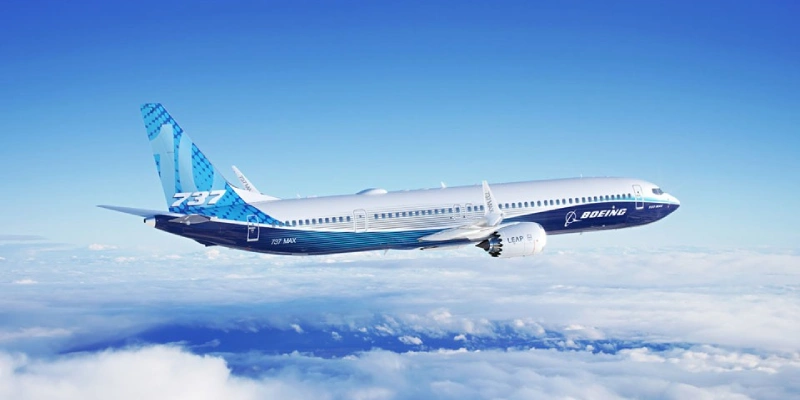
FAA Poised to Certify Boeing 737 MAX 10 Next Week Following Key Safety Review Clearance

Boeing Posts Best Month of 2026 With 57 Aircraft Delivered in September
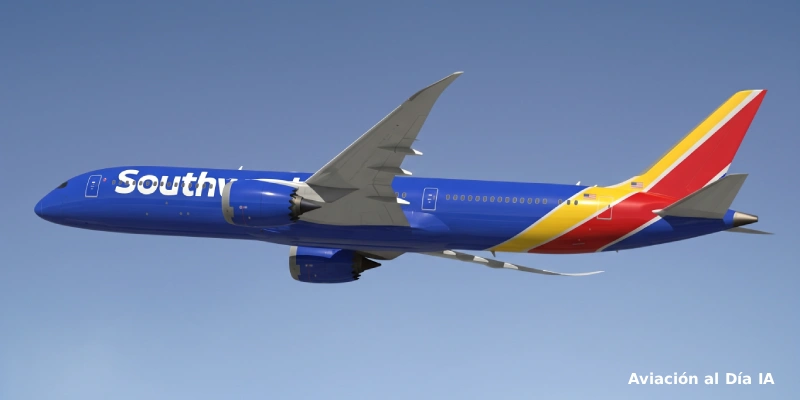
Southwest Airlines Evaluates Widebody Aircraft, Eyes Boeing 787

Avolon Orders 250 Aircraft from Airbus and Boeing

Plataforma Informativa de Aviación Comercial con 13 años de trayectoria.