
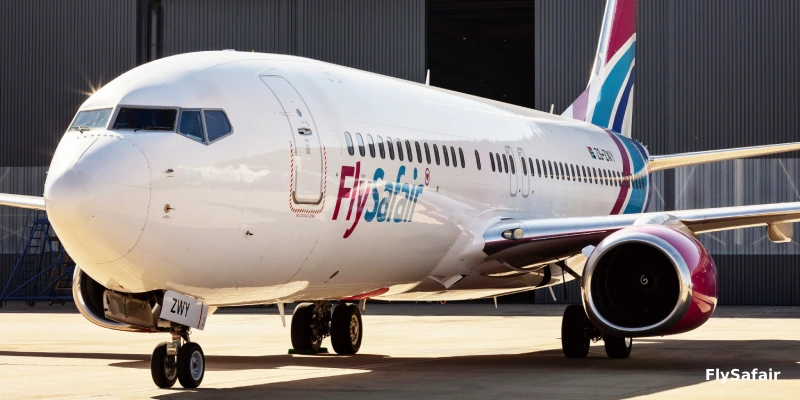
South African commercial aviation may be facing one of its most significant corporate maneuvers in recent years. Harith General Partners, one of the most active private equity funds on the African continent, confirmed to Bloomberg that it is in advanced negotiations to acquire FlySafair, the country’s largest airline by domestic capacity. The deal, which remains subject to multiple regulatory approvals, is aimed for closure before the end of the year. It serves as both a strategic opportunity and a response to simmering regulatory pressure on the low-cost carrier.
A Strategic Operation with a Defined Timeline
According to Tshepo Mahloele, Chairman of Harith, the acquisition would be executed through Harith Aviation and is expected to be finalized in the fourth quarter, provided it receives the green light from competition authorities and two aeronautical bodies. For Harith, which manages approximately $3 billion in assets, FlySafair would represent about 15% of its total portfolio. The deal is to be funded through a combination of equity and debt, though specific figures have not been disclosed.
The interest is substantial: FlySafair controls more than 60% of the seat capacity in the South African domestic market—a dominant position that is difficult to replicate within the region. Mahloele was clear in defining the asset’s appeal: while South Africa is the airline’s natural stronghold, its low-cost model possesses competitive potential at a regional level.
Regulatory Backdrop Accelerating Negotiations
Beyond financial interest, the transaction could offer a structural exit from a critical regulatory problem. In 2024, the Domestic Air Services Council determined that FlySafair was non-compliant with local ownership regulations. The council found that 75% of the voting rights were held by trusts and companies rather than individuals, as required by South African law. This ruling followed a formal complaint lodged by local competitor Lift.
The airline has approximately one year to rectify the situation or face the potential revocation of its operating license. In this context, a change in shareholding as proposed by Harith could facilitate legal compliance. However, Kirby Gordon, Chief Marketing Officer of FlySafair, clarified that the regulatory process must be fully satisfied without shortcuts.
→ EGYPTAIR Receives Its First Airbus A350-900
Shareholder Structure and International Precedents
Currently, ASL Aviation Holdings—headquartered in Dublin and owned by the London-based fund Star Capital Partners—partially controls Safair Operations Ltd., FlySafair’s parent company. This international component has historically been a sensitive point for South African regulators.
This is not the first time FlySafair has sought to adjust its ownership structure. Since 2017, the company has explored alternatives, including a merger with Airlink that was ultimately blocked by antitrust authorities in 2018. Paradoxically, Airlink successfully secured an investment from Qatar Airways in 2024, which acquired a 25% stake, highlighting the complexity—and selectivity—of the local regulatory framework.
Harith and its Aviation Sector Track Record
For Harith, this deal represents the culmination of a long-standing pursuit. The fund spent three years in negotiations with the South African government to acquire a stake in South African Airways (SAA), a process that was eventually cancelled due to disagreements over control and valuation. It also analyzed a potential entry into Comair, the British Airways operator in South Africa, prior to its collapse in 2022.
In Mahloele’s words, FlySafair has been “the best proposal so far,” owing to both the strength of its management team and its significant market share. The fund already possesses experience in airport infrastructure as a shareholder in Lanseria International Airport, northwest of Johannesburg, which reinforces the industrial logic of the operation.
Operational Continuity and Regional Ambitions
The message from FlySafair is one of continuity. Harith plans to keep the airline’s management and commercial strategy intact. FlySafair currently operates 10 domestic and five regional routes. Gordon noted that regional expansion, which began after the pandemic, remains modest in scale but is a key component of the long-term growth plan, especially as the South African domestic market shows signs of maturity.
If finalized, Harith’s acquisition of FlySafair will not only redefine the airline’s shareholder structure but could also reorder the competitive balance and set a precedent for how African funds take a leading role in strategic air transport assets.
Related Topics

Singapore Airlines Overhauls In-Flight Experience with Next-Generation KrisWorld and Starlink Satellite Connectivity
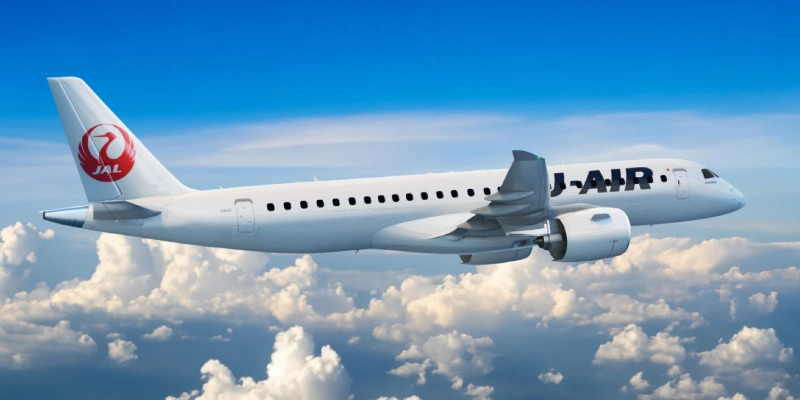
Japan Airlines Selects Embraer E190-E2 to Renew J-AIR Regional Fleet
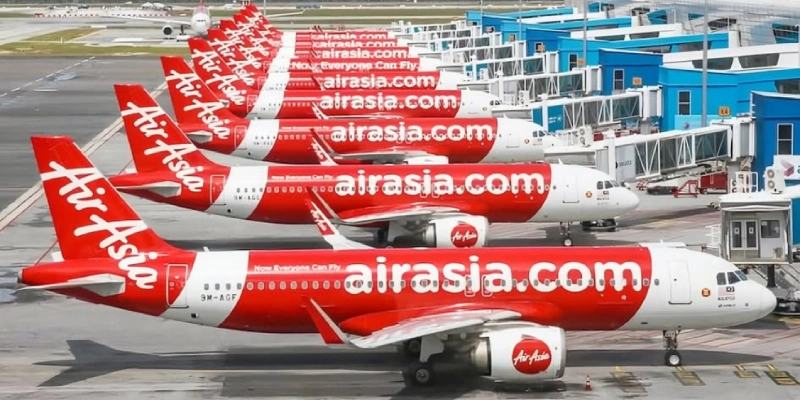
AirAsia in Talks with Malaysian Government Over Potential Financial Support Amid Economic Headwinds and Soaring Fuel Costs
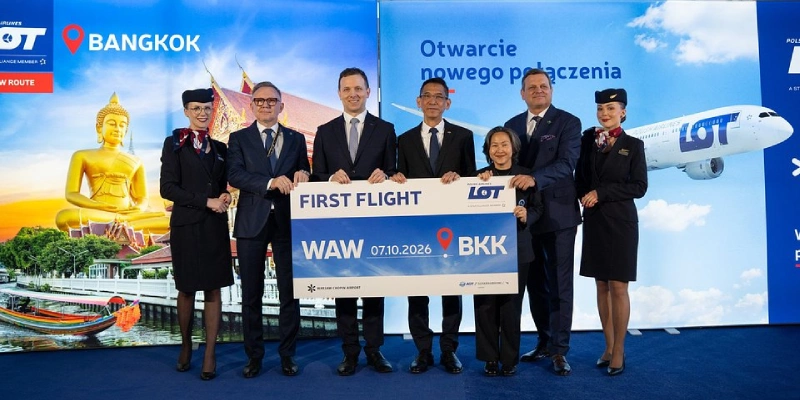
LOT Polish Airlines Launches Direct Flights Between Warsaw and Bangkok

Plataforma Informativa de Aviación Comercial con 13 años de trayectoria.