FAA Imposes Restrictions at San Francisco Airport: Operational Capacity to be Slashed by 33%





The Federal Aviation Administration (FAA) has announced the implementation of new safety restrictions at San Francisco International Airport, which will limit landing rates and trigger significant delays. This decision stems from a combination of infrastructure projects and a permanent shift in the agency’s visual approach protocols.
Capacity Reduction and Infrastructure Works
The 13th busiest airport in the United States is facing a drastic reduction in its operational flow. According to the FAA, the maximum arrival rate will drop from 54 to 36 flights per hour. This adjustment is driven by two primary factors:
- Runway Resurfacing: A maintenance project will take the two North-South runways out of service for approximately six months.
- Prohibition of Parallel Approximations: The agency has decided to prohibit aircraft from performing simultaneous (side-by-side) landings on the East-West parallel runways, even during Visual Meteorological Conditions (VMC).
Unlike the resurfacing works, the FAA confirmed that it does not plan to lift the parallel approach restrictions once the runway construction is completed.
New Protocols: Staggered Approximations
To ensure operational safety, the FAA now mandates the use of “staggered approaches.” Under this scheme, each aircraft must maintain a specific displacement relative to the aircraft on the parallel runway, eliminating the traditional visual separation that previously allowed for simultaneous landings.
While these parallel maneuvers were already prohibited during adverse weather conditions (IMC), the agency is tightening regulations to mitigate the risk of accidents stemming from visual separation issues. Meanwhile, they continue to explore new methods to safely increase the arrival rate in the future.
Safety Context and Background
These measures come amidst a period of increased oversight by aviation authorities following recent critical incidents:
- January 2025 Mid-Air Collision: A collision between an American Airlines regional jet and an Army helicopter that resulted in 67 fatalities.
- San Antonio Incident: A close-call runway incursion involving an American Airlines flight and a police helicopter.
In response to these events, the FAA has also tightened safety rules for helicopters and suspended the use of visual separation between fixed-wing aircraft and helicopters in the vicinity of major airports.
Impact on Passengers and Airlines
The change in procedures will have a direct impact on the airport’s on-time performance. While it was initially estimated that the runway project would affect 15% of flights, new projections indicate:
- Nearly a quarter (25%) of all arrival flights will experience delays.
- Anticipated delays will last at least 30 minutes.
United Airlines, which accounts for approximately 50% of passenger traffic at the airport, and Alaska Airlines, with a 10% market share, are the carriers facing the most significant operational challenges. United Airlines has already issued advisories to its customers, warning that construction works and the new FAA directives will disrupt scheduled itineraries at the California hub.
Related Topics
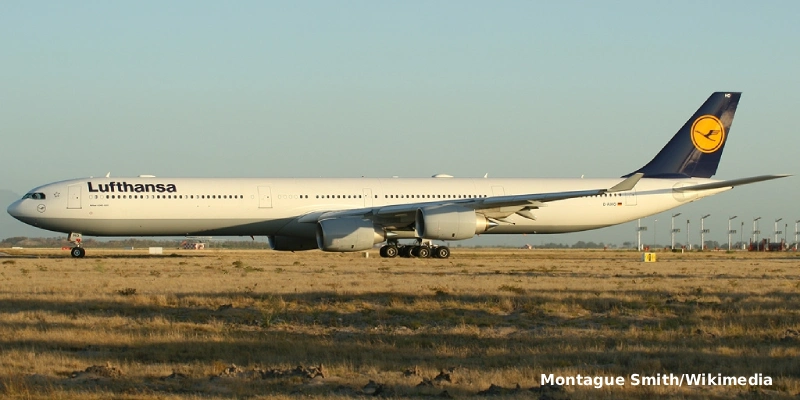
End of an Era: Lufthansa Retires Airbus A340-600 Fleet After 23 Years of Service

ITA Airways Celebrates Its Fifth Anniversary

Condor Launches Daily Flights Between Berlin and Abu Dhabi

Lufthansa in Talks to Acquire Remaining 50.1% Stake in TAP Air Portugal Following Initial Entry
Plataforma Informativa de Aviación Comercial con 13 años de trayectoria.