Airbus Misses Q1 Profit Forecasts Following Delivery Slump Amid Engine Crisis





European aerospace manufacturer Airbus has reported significantly lower-than-expected operating profits for the first quarter, impacted by a reduction in commercial aircraft deliveries. A shortage in engine supplies and various operational delays have marked a challenging start to the year, allowing its primary American rival to gain ground in delivery volume.
Financial Results Below Market Consensus
During the first three months of the year, ending March 31, Airbus recorded an adjusted operating profit of €300 million. This figure represents a 52% drop compared to the same period last year.
The results fell notably short of analyst forecasts, which had estimated an operating profit of €348 million. Meanwhile, company revenues decreased by 7%, reaching €12.65 billion, compared to the €12.39 billion projected by the market.
Supply Chain Challenges and Aircraft Deliveries
The manufacturer is facing a race against time to meet its target of delivering 870 commercial aircraft by 2026. However, first-quarter figures reflect current supply chain difficulties:
- Delivery Volume: 114 commercial jets were delivered, representing a 16% decrease from the 136 units delivered last year.
- Competitor Comparison: This figure placed Airbus behind Boeing, which delivered 143 aircraft during the same period.
- Administrative Delays: Airbus attributed part of the shortfall to an administrative delay affecting nearly 20 aircraft destined for customers in China, though this specific issue has since been resolved.
A320 Program Production Targets
Despite the quarterly results, the group maintained its full-year financial guidance unchanged. The company reaffirmed its objective to reach a production rate of between 70 and 75 A320 family aircraft per month by the end of 2027. Notably, this target was adjusted last February, having originally been planned to reach 75 units per month by the beginning of that year.
Dispute with Pratt & Whitney Over Engine Supply
The main obstacle to production growth is the failure of American supplier Pratt & Whitney to meet delivery schedules. Airbus maintains that engine shipments are currently below its operational requirements.
This situation has escalated into a legal dispute in which Airbus is seeking potential damages. Chief Executive Officer Guillaume Faury described the current situation as an “impasse.” However, he emphasized that both parties are working constructively to resolve the disagreement through a combination of negotiations and dispute management.
Market Outlook and Global Demand
Despite supply constraints, demand for new aircraft remains robust. Guillaume Faury highlighted several key points regarding the current market environment:
- Resilience in the Middle East: No order cancellations or deferrals have been reported in this region despite the geopolitical context.
- Fuel Impact: High aviation fuel prices are driving demand for fuel-efficient aircraft, as airlines seek to optimize operating costs even if they must reduce flight frequencies.
The immediate future of Airbus will depend on its ability to clear bottlenecks in its engine supply chain and stabilize the delivery flow to meet its ambitious medium-term production targets.
Related Topics

Boeing Posts Best Month of 2026 With 57 Aircraft Delivered in September
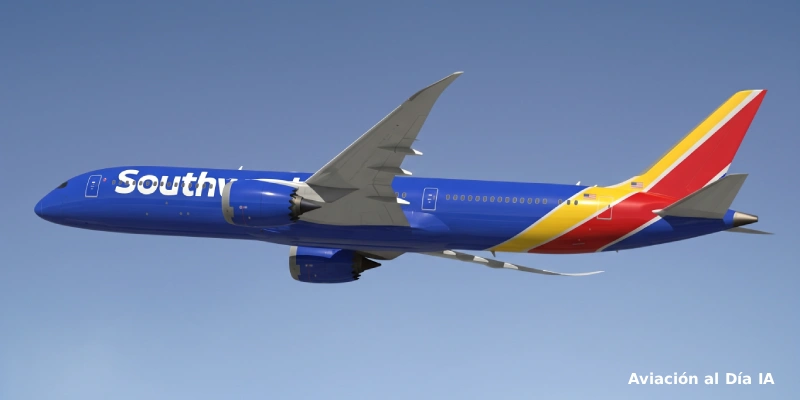
Southwest Airlines Evaluates Widebody Aircraft, Eyes Boeing 787

Avolon Orders 250 Aircraft from Airbus and Boeing

FAA Clears Path for Boeing 737 MAX 10 Certification After Dismissing Flight Software Safety Risks

Plataforma Informativa de Aviación Comercial con 13 años de trayectoria.